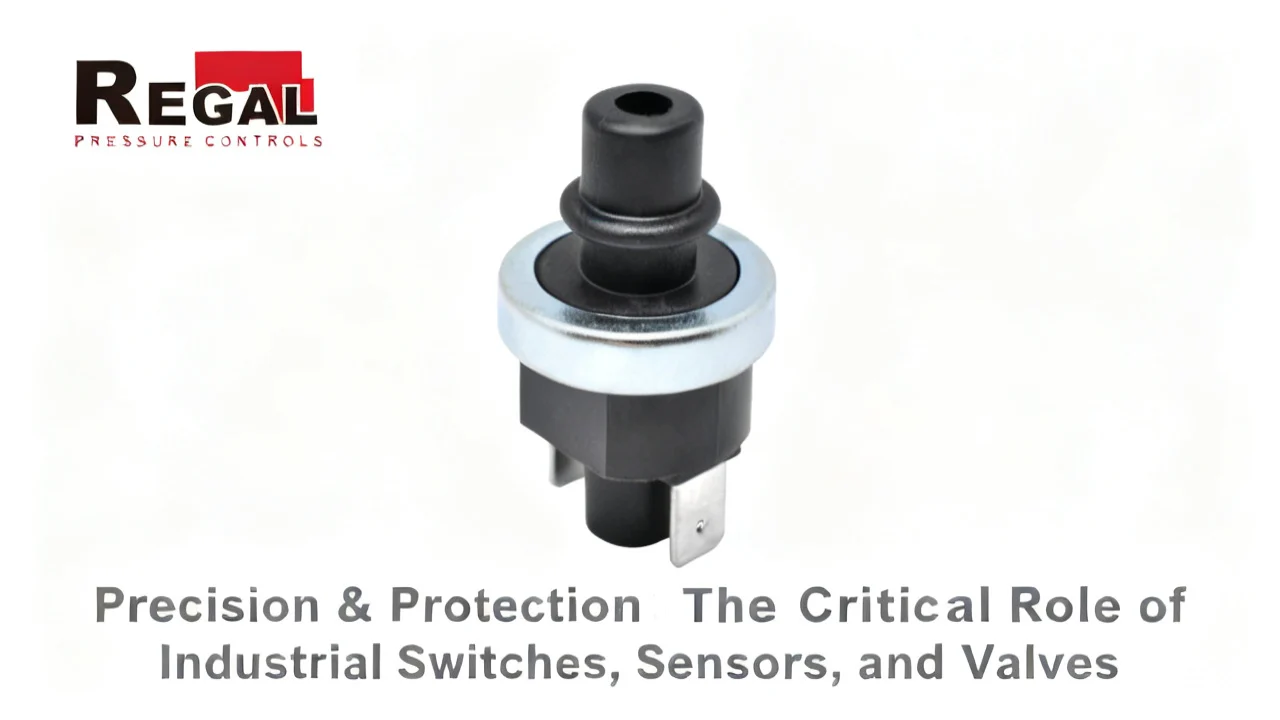
في عالم العمليات الصناعية المعقد، لا تُعدّ الدقة والموثوقية والسلامة مجرد مُثُل، بل ضرورات أساسية. يعتمد التشغيل السلس للآلات المعقدة وخطوط الأنابيب الضخمة وأنظمة العمليات الحيوية على المراقبة والتحكم الدقيقين اللذين توفرهما مجموعة من المكونات المتخصصة. ومن بين هذه المكونات، تبرز مفاتيح الضغط، ومفاتيح ومستشعرات مستوى الماء، ومستشعرات التدفق، وصمامات تخفيف الضغط كعناصر لا غنى عنها لحماية الكفاءة والأداء، والأهم من ذلك، سلامة الإنسان.
مفاتيح الضغط هي أجهزة كهروميكانيكية مصممة للكشف عن تغيرات الضغط وتفعيل أو تعطيل مفتاح كهربائي عند بلوغ عتبة ضغط محددة مسبقًا. ويؤكد انتشارها الواسع في البيئات الصناعية دورها المحوري في الأتمتة والحماية.
مفاتيح ضغط الهواء
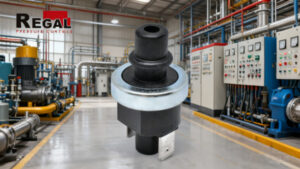
تُعدّ مفاتيح ضغط الهواء أساسية في الأنظمة الهوائية، وتطبيقات التكييف والتهوية، وضواغط الهواء، حيث تراقب مستويات ضغط الهواء لضمان التشغيل الأمثل ومنع التلف. فعلى سبيل المثال، في ضاغط الهواء، يضمن مفتاح ضغط الهواء تشغيل الضاغط وإيقافه بشكل دوري للحفاظ على الضغط ضمن النطاق المطلوب، مما يمنع زيادة الضغط أو نقصه. وتُعدّ موثوقيتها بالغة الأهمية للحفاظ على أداء ثابت في خطوط الإنتاج وأنظمة التحكم في المناخ.
مفاتيح ضغط الماء
وبالمثل، تُعدّ مفاتيح ضغط الماء ضرورية لإدارة أنظمة السوائل. فهي تُستخدم على نطاق واسع في التحكم بالمضخات لأنظمة إمداد المياه، والري، والغسيل الصناعي، ومحطات معالجة المياه. ومن خلال استشعار التغيرات في ضغط الماء، يمكنها تشغيل المضخات أو إيقافها، مما يضمن إمدادًا ثابتًا، ويمنع التشغيل الجاف، أو يحمي الأنظمة من الضغط الزائد. ويجعلها تصميمها المتين مناسبة لمختلف البيئات المائية، بدءًا من محطات معالجة المياه البلدية وصولًا إلى العمليات الصناعية المتخصصة.
عند اختيار مفتاح ضغط، تشمل الاعتبارات الرئيسية نقطة الضبط، والتخلف (الفرق بين ضغط التشغيل وضغط الإيقاف)، وتوافق المادة، ومادة الصنع (مثل الفولاذ المقاوم للصدأ للسوائل المسببة للتآكل)، والمواصفات الكهربائية. يُعد مفتاح الضغط الدقيق والمتين شرطًا أساسيًا للحفاظ على سلامة النظام وكفاءة التشغيل.
حراس الأصول السائلة: مفاتيح وأجهزة استشعار مستوى الماء
يُعدّ التحكم الدقيق في مستويات السوائل أمرًا بالغ الأهمية في العديد من الصناعات، بدءًا من معالجة المواد الكيميائية والأغذية والمشروبات وصولًا إلى معالجة مياه الصرف الصحي وتوليد الطاقة. توفر مفاتيح وأجهزة استشعار مستوى الماء المعلومات اللازمة لمنع الانسكابات المكلفة، وحماية المعدات من التلف، وتحسين تدفق العمليات.
مفاتيح مستوى الماء
تُصدر هذه الأجهزة عادةً إشارة تشغيل/إيقاف بسيطة عند بلوغ مستوى سائل مُحدد. تشمل الأنواع الشائعة مفاتيح العوامة، التي تستخدم عنصرًا طافيًا لتشغيل المفتاح، ومفاتيح التوصيل الكهربائي، التي تكشف وجود سائل موصل بين قطبين كهربائيين. وهي مثالية للتحكم الأساسي في مستوى السائل، مثل تشغيل المضخات لملء الخزانات أو تفريغها، أو إطلاق الإنذارات عند ارتفاع أو انخفاض مستوى السائل.
أجهزة استشعار مستوى الماء
تُستخدم أجهزة استشعار مستوى الماء لقياس المستوى بدقة واستمرارية أكبر. تستخدم تقنيات مثل أجهزة الاستشعار فوق الصوتية الموجات الصوتية لتحديد المسافة إلى سطح السائل، بينما تقيس أجهزة الاستشعار الهيدروستاتيكية الضغط الذي يُمارسه عمود السائل. أما أجهزة استشعار الرادار، فتستخدم الموجات الكهرومغناطيسية. توفر هذه الأجهزة مخرجات تناظرية أو رقمية، مما يسمح بالمراقبة المستمرة والتكامل مع أنظمة التحكم المتطورة، وبالتالي إدارة المخزونات وأوعية التفاعل وعمليات معالجة النفايات السائلة بشكل استباقي.
يعتمد الاختيار بين المفتاح والمستشعر، والتكنولوجيا المحددة، على الدقة المطلوبة للتطبيق، والظروف البيئية، وطبيعة السائل.
قياس التدفق: مستشعرات التدفق
يُعدّ فهم معدل تدفق السوائل والغازات والتحكم فيه أمراً أساسياً لتحسين العمليات، ومراقبة الجودة، وإدارة الموارد. وتُعتبر أجهزة استشعار التدفق بمثابة العيون والآذان التي توفر هذه البيانات الحيوية.
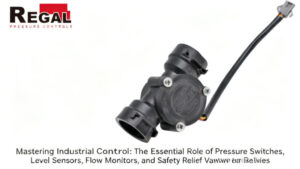
تلعب أجهزة استشعار التدفق دورًا محوريًا، بدءًا من مراقبة مياه التبريد في محطات الطاقة وصولًا إلى تحديد الجرعات الدقيقة للمواد الكيميائية في التصنيع. وهي متوفرة بتقنيات متنوعة، كل منها مناسب لتطبيقات مختلفة.
- مستشعرات تدفق التوربينات: مثالي للسوائل والغازات النظيفة، حيث يقيس التدفق بناءً على سرعة دوران التوربين داخل مسار التدفق.
- مستشعرات التدفق المغناطيسي: ممتاز للسوائل الموصلة، حيث يقيس التدفق بناءً على قانون فاراداي للحث الكهرومغناطيسي، بدون أجزاء متحركة.
- مستشعرات تدفق الدوامات: مناسب للبخار والغاز والسوائل، ويكشف عن الدوامات الناتجة عن وجود عائق في مسار التدفق.
- مستشعرات التدفق بالموجات فوق الصوتية: طريقة غير تدخلية، تقيس التدفق عن طريق تحليل تأثير حركة السوائل على الموجات الصوتية، وتستخدم غالباً للسوائل المتسخة أو المسببة للتآكل.
- مجسات التدفق الحراري الكتلي: يُستخدم بشكل أساسي لقياس تدفق الغازات بناءً على مبادئ انتقال الحرارة.
يضمن قياس التدفق الدقيق جودة منتج متسقة، ويمنع الهدر، ويحسن استهلاك الطاقة عبر مجموعة واسعة من العمليات الصناعية.
شبكة الأمان المثالية: صمامات تخفيف الضغط
لعلّ صمام الأمان هو المكوّن الوحيد الذي يجسّد مبدأ "الحماية" بشكل مباشر. فهذه الأجهزة هي خط الدفاع الأخير ضدّ حالات الضغط الزائد الكارثية في الأوعية وخطوط الأنابيب والمعدات، والتي قد تنجم عن اضطرابات تشغيلية أو حرائق خارجية أو أعطال في المعدات.
صُمم صمام الأمان ليفتح تلقائيًا عندما يتجاوز الضغط داخل النظام حدًا آمنًا محددًا مسبقًا، مُصرّفًا السائل أو الغاز الزائد إلى موقع آمن (مثل مدخنة حرق الغازات أو فتحة تهوية جوية). وبمجرد انخفاض الضغط إلى مستوى آمن، يُغلق الصمام تلقائيًا. تمنع هذه الآلية البسيطة والفعّالة الانفجارات والأضرار الإنشائية والتسربات البيئية المحتملة، مما يحمي الأفراد والممتلكات والبيئة.
تشمل الأنواع صمامات تخفيف الضغط التقليدية ذات الزنبرك، وصمامات تخفيف الضغط ذات المنفاخ المتوازن (للتطبيقات ذات الضغط الخلفي المتغير)، وصمامات تخفيف الضغط التي تعمل بنظام التحكم (والتي توفر دقة أعلى في نقطة الضبط وإعادة إغلاق أكثر إحكامًا). إن الفحص والاختبار والصيانة الدورية لصمامات تخفيف الضغط ليست مجرد ممارسات مثلى، بل هي في كثير من الأحيان متطلبات تنظيمية، مما يعكس أهميتها القصوى في بروتوكولات السلامة الصناعية.
الأبطال المجهولون: قطع غيار عالية الجودة
يرتبط أداء مفاتيح الضغط، ومستشعرات مستوى الماء، ومستشعرات التدفق، وصمامات تخفيف الضغط، وعمرها الافتراضي، وموثوقيتها ارتباطًا وثيقًا بجودة مكوناتها. إن التهاون في جودة المكونات، سواءً كانت غشاءً، أو حلقة مانعة للتسرب، أو زنبركًا، أو وحدة إلكترونية، قد يؤدي إلى عطل مبكر، وقراءات غير دقيقة، وزيادة وقت التوقف، والأهم من ذلك، تعريض السلامة للخطر.
يضمن الحصول على قطع غيار أصلية عالية الجودة من مصنّعين موثوقين تشغيل هذه الأجهزة الحيوية ضمن معاييرها المحددة، ومقاومتها للبيئات الصناعية القاسية، وتقديمها أداءً دقيقًا ومتسقًا طوال عمرها الافتراضي المتوقع. يُعدّ الاستثمار في قطع غيار عالية الجودة استثمارًا في سلامة وكفاءة عملياتك الصناعية بشكل عام، مما يقلل من التكلفة الإجمالية للملكية على المدى الطويل.
خاتمة
من الإدارة الدقيقة لضغط الهواء والماء إلى المراقبة الدقيقة لمستويات السوائل ومعدلات التدفق، وصولاً إلى الحماية القصوى التي توفرها صمامات الأمان، تُعدّ هذه المكونات الصناعية بمثابة الأبطال المجهولين في عمليات الأعمال الحديثة بين الشركات. فهي ليست مجرد أجهزة مستقلة، بل أجزاء لا تتجزأ من منظومة متطورة مصممة لزيادة الكفاءة إلى أقصى حد، وضمان جودة المنتج، وقبل كل شيء، حماية الأرواح البشرية والممتلكات القيّمة. بالنسبة لأي مؤسسة صناعية، يُعدّ فهم هذه المفاتيح والمستشعرات والصمامات الحيوية واختيارها وصيانتها بعناية فائقة أمرًا بالغ الأهمية لتحقيق التميز التشغيلي والنجاح المستدام.