في عالم العمليات الصناعية المعقد، يعتمد الأداء السلس للآلات والعمليات على شبكة من العناصر الأساسية التي لا تحظى بالتقدير الكافي: مكونات الاستشعار والتحكم المتقدمة. فمن الحفاظ على الضغط الأمثل في الأنظمة الهوائية إلى ضمان مستويات السوائل الآمنة في الخزانات الضخمة، ومن مراقبة معدلات التدفق الحرجة إلى الحماية من الضغط الزائد الكارثي، لا تُعدّ أجهزة مثل مفاتيح الضغط، ومستشعرات مستوى الماء، ومستشعرات التدفق، وصمامات تخفيف الضغط مجرد ملحقات، بل هي ركائز أساسية للموثوقية والكفاءة وسلامة العاملين. بالنسبة لأصحاب المصلحة في قطاع الأعمال، يُعدّ فهم القدرات الدقيقة لهذه المكونات ونشرها الاستراتيجي أمرًا بالغ الأهمية لتحسين الأداء التشغيلي وتخفيف المخاطر.
الدقة تحت الضغط: مفاتيح ضغط الهواء والماء
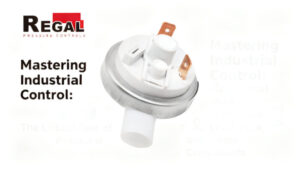
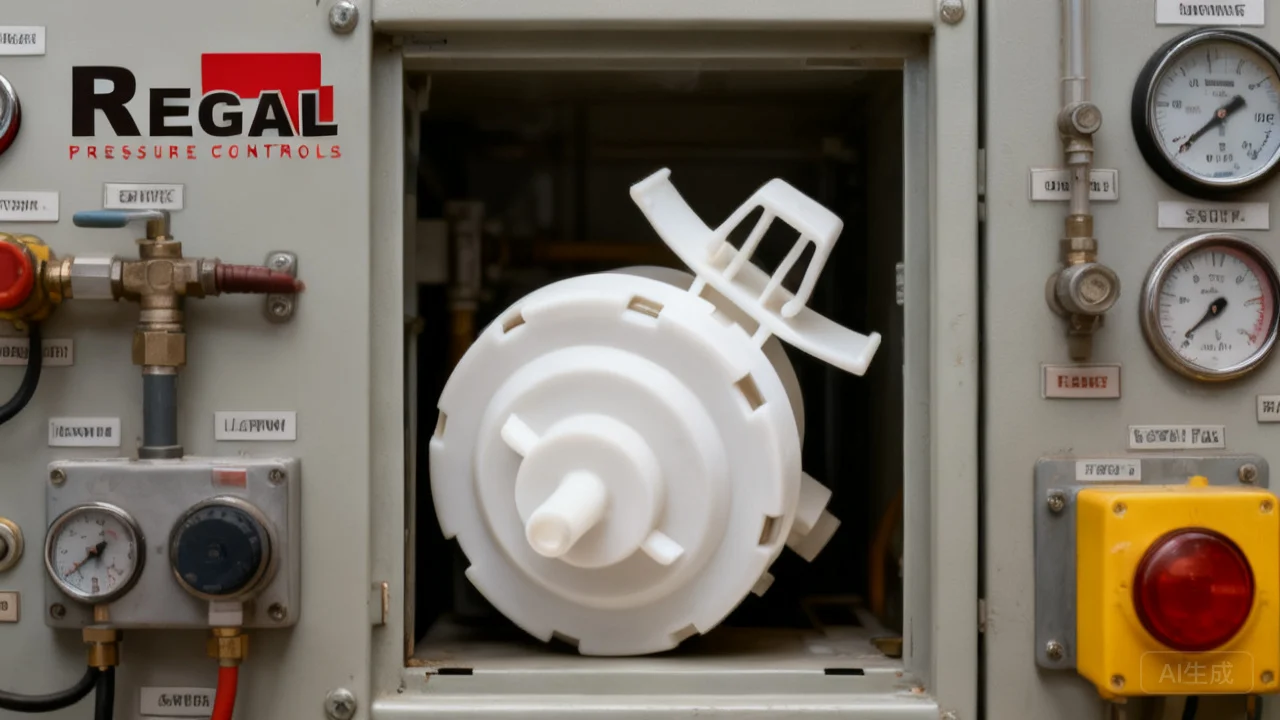
مفاتيح الضغط هي أجهزة كهروميكانيكية مصممة لمراقبة التغيرات في ضغط السوائل أو الغازات داخل النظام والاستجابة لها. وتعمل هذه المفاتيح كأدوات حاسمة لاتخاذ القرارات، حيث تقوم بتفعيل أو تعطيل الدوائر الكهربائية عند بلوغ عتبة ضغط محددة مسبقًا. وتتنوع تطبيقاتها بتنوع الصناعات التي تخدمها.
- مفاتيح ضغط الهواء: تُعدّ مفاتيح ضغط الهواء أساسية في الأنظمة الهوائية ووحدات التكييف والتهوية والضواغط الصناعية، حيث تضمن بقاء ضغط الهواء ضمن النطاق الآمن والتشغيلي. ويمكنها إطلاق إنذارات انخفاض الضغط، أو تشغيل ضواغط احتياطية، أو إيقاف الأنظمة لمنع التلف الناتج عن زيادة الضغط. وفي مجال التصنيع، تتحكم هذه المفاتيح في الأدوات الهوائية، وتشغل المشغلات الهوائية، وتراقب أنظمة التفريغ، مما يُحسّن استهلاك الطاقة ويُطيل عمر المعدات.
- مفاتيح ضغط الماء: تُستخدم هذه المفاتيح في مضخات المياه وأنظمة الري ومحطات معالجة المياه، حيث تتحكم في تدفق السوائل وضغطها. فهي تُشغّل المضخات أو تُوقفها تلقائيًا للحفاظ على ضغط الماء المطلوب في الأنابيب أو الخزانات، مما يمنع تشغيل المضخات بدون ماء (وهو ما قد يؤدي إلى تلفيات جسيمة) أو تراكم الضغط الزائد. وفي شبكات المياه البلدية، تُعدّ هذه المفاتيح ضرورية لضمان استمرارية الإمداد وكشف التسريبات.
تؤثر موثوقية مفتاح الضغط بشكل مباشر على استمرارية العملية وعمر المعدات. ويتطلب اختيار المفتاح المناسب مراعاة عوامل مثل نطاق الضغط، وتوافق الوسائط، والتخلف، ومقاومة الظروف البيئية.
حماية الأصول السائلة: مفاتيح وأجهزة استشعار مستوى الماء
تُعدّ إدارة مستويات السوائل تحديًا شائعًا في مختلف الصناعات، بدءًا من معالجة المواد الكيميائية والأغذية والمشروبات وصولًا إلى معالجة مياه الصرف الصحي والتطبيقات البحرية. توفر مفاتيح وأجهزة استشعار مستوى الماء المعلومات الأساسية اللازمة لأتمتة التحكم، ومنع الانسكابات، وحماية الأصول القيّمة.
- مفاتيح مستوى الماء: تُصدر هذه الأجهزة إشارة تشغيل/إيقاف منفصلة عند وصول السائل إلى مستوى مُحدد مسبقًا. تشمل الأنواع الشائعة مفاتيح العوامة، التي ترتفع أو تنخفض فعليًا مع السائل، والمجسات الموصلة، التي تكشف وجود السائل بين الأقطاب الكهربائية. تُعد هذه الأجهزة مثالية لتطبيقات مثل ملء الخزانات أو تفريغها تلقائيًا، وتفعيل إنذارات ارتفاع/انخفاض مستوى السائل، أو التحكم في عمليات المضخات لمنع الفيضانات أو التشغيل الجاف. بساطتها ومتانتها تجعلها خيارًا شائعًا للعديد من مهام التحكم الأساسية في مستوى السائل.
- أجهزة استشعار مستوى الماء: توفر مستشعرات مستوى الماء قياسًا مستمرًا، ما يُتيح بيانات آنية عن مستويات السوائل، وبالتالي تحكمًا ومراقبة أكثر دقة. تتنوع التقنيات المستخدمة، بدءًا من المستشعرات فوق الصوتية التي تستخدم الموجات الصوتية لقياس المسافة إلى سطح السائل، وصولًا إلى مستشعرات الضغط الهيدروستاتيكي التي تقيس الضغط الناتج عن عمود السائل. تُعد هذه المستشعرات بالغة الأهمية لإدارة المخزون، والجرعات الدقيقة في العمليات الكيميائية، ومراقبة مستويات الخزانات، وتوفير البيانات لأنظمة التحليلات المتقدمة والصيانة التنبؤية. يعتمد اختيار المفتاح أو المستشعر على مستوى التحكم المطلوب ودقة البيانات.
مراقبة التدفق: دور أجهزة استشعار التدفق
تُعدّ أجهزة استشعار التدفق أساسية في العمليات التي تتطلب قياس حركة السوائل أو الغازات والتحكم بها بدقة. فمن ضمان النسب الصحيحة للمكونات في عملية الخلط إلى مراقبة دوران سائل التبريد في محطة توليد الطاقة، تُعدّ بيانات التدفق الدقيقة ضرورية للغاية.
تقيس هذه الأجهزة حجم أو كتلة السائل المتدفق عبر أنبوب أو قناة خلال فترة زمنية محددة. ومن الأنواع الشائعة ما يلي:
- مستشعرات عجلة التجديف: بسيط وفعال من حيث التكلفة، مثالي للسوائل النظيفة.
- عدادات التدفق الكهرومغناطيسية: دقة عالية للسوائل الموصلة، بدون أجزاء متحركة.
- مقاييس التدفق فوق الصوتية: غير جراحي، ومناسب لمجموعة واسعة من السوائل، بما في ذلك تلك التي تحتوي على مواد صلبة معلقة.
- عدادات التدفق الكتلي الحراري: ممتاز لقياس تدفق الغاز.
تُمكّن مستشعرات التدفق من تحسين العمليات، والكشف عن التسريبات، وضمان جودة المنتج، ومراقبة استهلاك الموارد. وفي أنظمة التدفئة والتهوية وتكييف الهواء، تضمن هذه المستشعرات التهوية والتكييف المناسبين. أما في معالجة المياه، فتتتبع جرعات المواد الكيميائية وتصريف المياه العادمة، مما يضمن الامتثال للمعايير والكفاءة.
الحماية القصوى: صمامات تخفيف الضغط
بينما تعمل مكونات الاستشعار والتحكم على تحسين العمليات، تُشكّل صمامات تخفيف الضغط خط الدفاع الأخير ضد الأعطال الكارثية للنظام نتيجةً لزيادة الضغط. صُممت هذه الأجهزة الميكانيكية لفتح الصمام تلقائيًا وتفريغ الضغط الزائد من الوعاء أو النظام، ثم إعادة إغلاقه بمجرد عودة الضغط إلى مستوى آمن.
لا يمكن المبالغة في أهميتها. ففي الصناعات التي تتعامل مع البخار أو الغازات أو السوائل المضغوطة - مثل النفط والغاز، والمعالجة الكيميائية، وتوليد الطاقة، وحتى أنظمة الغلايات التجارية - يمكن أن يؤدي تراكم الضغط غير المنضبط إلى انفجارات، وتلف المعدات، وإصابات خطيرة أو خسائر في الأرواح. تُصمم صمامات تخفيف الضغط وفقًا لضغوط محددة وسعات تدفق معينة، وتخضع لاختبارات صارمة، وغالبًا ما تخضع لمعايير تنظيمية دقيقة (مثل معايير ASME).
إن الاستثمار في صمامات أمان عالية الجودة، ذات أحجام مناسبة، وتخضع لفحص دوري، ليس مجرد متطلب تنظيمي، بل هو التزام لا يقبل المساومة بسلامة العمليات وسلامة العاملين. فهي تحمي أوعية الضغط، والمبادلات الحرارية، وخطوط الأنابيب، وغيرها من البنى التحتية الحيوية من المخاطر الكامنة في البيئات الصناعية المتغيرة باستمرار.
حجر الزاوية للموثوقية: قطع غيار عالية الجودة وصيانة استباقية
تعتمد فعالية مفاتيح الضغط، ومستشعرات مستوى الماء، ومستشعرات التدفق، وصمامات الأمان، بشكل مباشر على جودة تصنيعها ومدى دقة صيانتها. فالمكونات غير المطابقة للمواصفات قد تؤدي إلى قراءات غير دقيقة، وتعطل مبكر، وتوقفات مكلفة، والأهم من ذلك كله، تعريض السلامة للخطر.
يجب على المتخصصين في مجال الأعمال بين الشركات (B2B) إعطاء الأولوية لتوريد قطع الغيار من مصنّعين ذوي سمعة طيبة يلتزمون بمعايير صارمة لمراقبة الجودة. علاوة على ذلك، تُعدّ استراتيجية الصيانة الفعّالة التي تشمل المعايرة الدورية والفحص والاستبدال الفوري للمكونات البالية أو التالفة أمرًا بالغ الأهمية. هذا لا يُطيل عمر هذه الأجهزة الحيوية فحسب، بل يضمن أيضًا أدائها بدقة وموثوقية في أوقات الحاجة الماسة، مما يحمي العمليات والعاملين على حد سواء.
خاتمة
في النظام البيئي المعقد للعمليات الصناعية الحديثة، تُعدّ مفاتيح الضغط، ومفاتيح ومستشعرات مستوى الماء، ومستشعرات التدفق، وصمامات الأمان، أكثر من مجرد مكونات منفصلة؛ فهي عناصر مترابطة تُشكّل العمود الفقري للتحكم الآلي، والصيانة التنبؤية، والسلامة المُطلقة. يُمكّن عملها الدقيق الصناعات من العمل بكفاءة أكبر، وتقليل الهدر، وتحسين جودة المنتجات، والأهم من ذلك، حماية أثمن أصولها - موظفيها وبنيتها التحتية. بالنسبة لأي مؤسسة تسعى إلى التميز التشغيلي وإدارة المخاطر بفعالية، فإن الفهم العميق والاستثمار الاستراتيجي في هذه الأجهزة الحيوية للتحكم والسلامة ليس مجرد ميزة، بل هو أمر لا غنى عنه.