In the intricate world of industrial automation and process control, the reliability and efficiency of operations hinge on the precise functioning of countless components. Among the most critical are devices designed to monitor and control pressure, liquid levels, and fluid flow, alongside essential safety mechanisms like relief valves. These unsung heroes ensure everything from optimal performance to the prevention of catastrophic failures. For B2B stakeholders, understanding the nuances and applications of these components is not just beneficial—it’s imperative for maintaining competitive advantage and operational integrity.
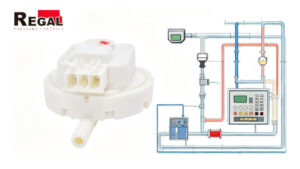
Pressure switches are electromechanical devices that respond to changes in pressure, acting as critical control points in a vast array of industrial systems. They are designed to open or close an electrical contact when a certain pressure threshold is reached, triggering an action such as starting/stopping a pump, activating an alarm, or shutting down a system.
مفاتيح ضغط الهواء
Air pressure switches are ubiquitous in systems involving compressed air, vacuum, or other inert gases. Their applications range from HVAC systems, where they monitor duct pressure and filter status, to industrial compressors, pneumatic machinery, and vacuum packaging equipment. Key considerations for selecting an air pressure switch include:
- Set Point & Hysteresis: The precise pressure at which the switch actuates and de-actuates.
- نطاق الضغط: Ensuring the switch can handle the minimum and maximum pressures of the system.
- التوافق مع الوسائط المتعددة: Materials must be suitable for the gas being monitored.
- الظروف البيئية: Resistance to dust, moisture, and temperature extremes.
Properly chosen air pressure switches are vital for energy efficiency, preventing equipment damage, and ensuring the safety of pneumatic operations.
مفاتيح ضغط الماء
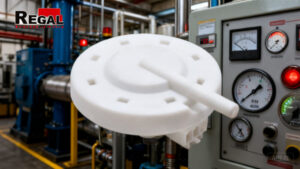
Water pressure switches serve a similar function but are specifically designed for liquid applications. They are indispensable in pump control systems, irrigation, water treatment plants, fire suppression systems, and domestic water supply. These switches monitor the pressure of water or other compatible liquids, initiating actions like:
- Starting a well pump when pressure drops below a set minimum.
- Stopping a booster pump when system pressure reaches a maximum.
- Activating alarms for low or high-pressure conditions in pipelines.
Durability, corrosion resistance, and accurate repeatability are paramount for water pressure switches, given their constant exposure to liquid media.
مراقبة ما لا يُرى: مفاتيح وأجهزة استشعار مستوى الماء
Managing liquid levels within tanks, sumps, and process vessels is crucial for preventing overflows, protecting pumps from dry-running, and ensuring consistent product quality. Water level switches and sensors provide the necessary intelligence for these tasks.
مفاتيح مستوى الماء
These devices provide a discrete (on/off) signal when a specific liquid level is reached. Common types include float switches, which use a buoyant element to activate a switch, and conductive probes, which detect the presence of liquid between electrodes. Applications include:
- High/low level alarms in storage tanks.
- Automatic pump control for filling or emptying sumps.
- Boiler feed water control.
Their simplicity and reliability make them a go-to solution for many level control applications.
أجهزة استشعار مستوى الماء
Unlike switches, water level sensors provide continuous measurement of liquid levels, offering more granular data for advanced process control. Technologies include ultrasonic sensors (non-contact), hydrostatic sensors (measuring pressure proportional to level), and radar sensors. These are critical for:
- Inventory management in large storage tanks.
- Precise chemical dosing.
- Real-time monitoring in water treatment and wastewater facilities.
The choice between a switch and a sensor depends on the required precision and control complexity of the application.
Keeping Things Moving: Flow Sensors
Understanding and controlling the flow rate of liquids and gases is fundamental to countless industrial processes. Flow sensors (or flow meters) measure the volume or mass of fluid passing through a pipe or conduit per unit of time. This data is vital for quality control, optimizing consumption, and detecting anomalies.
Common applications for flow sensors include:
- Monitoring coolant flow in machinery.
- Measuring chemical reagents in mixing processes.
- Tracking water consumption in industrial facilities.
- Detecting leaks in pipelines by identifying unexpected flow rates.
Various technologies exist, such as paddle wheel, turbine, magnetic (for conductive liquids), and ultrasonic flow meters, each suited to different fluid types, pipe sizes, and accuracy requirements. Selecting the right flow sensor ensures process efficiency and prevents costly waste or production errors.
الحارس الأمثل: صمامات تخفيف الضغط
While control components optimize performance, safety relief valves (SRVs) are the last line of defense against catastrophic overpressure events. These mechanical devices automatically open to discharge excess fluid (liquid or gas) when the system pressure exceeds a predetermined set point, then reclose once normal pressure is restored. Their role is purely protective, safeguarding:
- Pressure vessels and boilers from rupture.
- Pipelines and heat exchangers from damage.
- Personnel from potential hazards.
The proper selection, sizing, installation, and regular inspection of safety relief valves are non-negotiable. Compliance with industry standards (e.g., ASME, API) is critical, as is ensuring that the valve’s material construction is compatible with the process media and operating temperatures. Investing in high-quality, certified SRVs is an investment in the safety and longevity of your entire industrial operation.
The Unseen Heroes: Quality Parts and Maintenance
The longevity and reliability of any industrial system are only as strong as its weakest link. This is where the often-overlooked category of “Parts” becomes paramount. Whether it’s a replacement diaphragm for a pressure switch, a new float for a level sensor, or critical seals for a safety relief valve, using genuine, high-quality replacement parts is essential. Substandard or incompatible parts can lead to:
- Reduced accuracy and performance.
- Premature component failure.
- Increased downtime and maintenance costs.
- Compromised safety standards.
Regular calibration, preventative maintenance, and prompt replacement with OEM-specified parts ensure that all these critical components continue to perform as designed, protecting your investment and your workforce.
Conclusion: Integrating for Industrial Excellence
Pressure switches, water level switches and sensors, flow sensors, and safety relief valves are not isolated components but integral parts of a cohesive system designed for optimal industrial performance and safety. Their precise selection, correct installation, and diligent maintenance are foundational to preventing operational disruptions, enhancing efficiency, and ensuring compliance with stringent safety regulations. For businesses operating in demanding industrial environments, partnering with suppliers who offer robust, reliable, and technically supported solutions for these critical components is key to achieving sustainable operational excellence and peace of mind.