In the complex world of industrial automation, precision, reliability, and safety are not merely buzzwords; they are fundamental requirements for operational success. At the heart of countless processes lie critical control devices – pressure switches, level sensors, flow meters, and safety relief valves. These components are the unsung heroes, diligently monitoring and regulating vital parameters to ensure efficiency, prevent costly downtime, and, most importantly, safeguard personnel and assets. Understanding their function, selection criteria, and proper integration is paramount for any robust industrial system.
Precision Monitoring: The Indispensable Pressure Switch
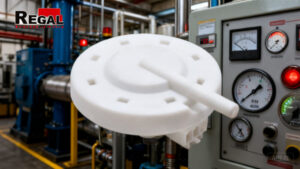
Pressure switches are electromechanical devices designed to monitor the pressure within a system and activate an electrical switch when a predefined set point is reached. Their applications span across virtually every industry, from manufacturing to water treatment.
- Air Pressure Switch: Crucial in pneumatic systems, HVAC applications, and combustion processes, an air pressure switch ensures that air compressors maintain optimal operating pressures, detects filter blockages, or verifies sufficient airflow for safe burner operation. They are vital for system efficiency and preventing damage to air-driven machinery.
- Water Pressure Switch: Essential for pump control, irrigation systems, and water treatment plants, a water pressure switch automatically starts or stops pumps based on system pressure demands. This not only maintains desired water flow and pressure but also protects pumps from dry running or over-pressurization, extending their lifespan and reducing energy consumption.
When selecting a pressure switch, critical factors include the operating pressure range, set point accuracy, hysteresis (the difference between the cut-in and cut-out pressure), material compatibility with the media, and environmental ratings (e.g., IP rating for dust and water ingress).
Accurate Measurement: Water Level Switches and Sensors
Managing liquid levels is a cornerstone of many industrial processes, from chemical processing to wastewater management. Both water level switches and water level sensors play distinct yet equally important roles.
- Water Level Switch: These devices detect the presence or absence of liquid at a specific point, acting as simple on/off indicators. Common types include float switches, which mechanically activate a switch based on buoyancy, and conductivity probes, which use electrical resistance to detect liquid. They are ideal for high/low alarm points, pump control (e.g., to prevent tank overflow or dry running), and simple fill/drain applications.
- Water Level Sensor: Offering continuous measurement, water level sensors provide real-time data on liquid levels within tanks or reservoirs. Technologies vary widely, including ultrasonic sensors (non-contact, ideal for corrosive liquids), hydrostatic sensors (measure pressure exerted by the liquid column), and radar sensors. These sensors are critical for inventory management, process control, and advanced automation where precise level tracking is required.
Choosing the right level device involves considering the measurement range, accuracy requirements, chemical compatibility, temperature, pressure, and the desired output signal (for sensors, e.g., 4-20mA, Modbus).
Monitoring Flow: The Insight of Flow Sensors
The ability to accurately measure and monitor fluid flow rates is vital for process control, quality assurance, and resource management. Flow sensors provide the data necessary to ensure processes are running within specified parameters.
Different types of flow sensors are suited for various applications:
- مستشعرات تدفق عجلة التجديف: تتميز هذه الأجهزة بأنها فعالة من حيث التكلفة ومناسبة للسوائل النظيفة، حيث تقيس التدفق عن طريق الكشف عن دوران عجلة مجداف.
- Thermal Dispersion Flow Sensors: Often used for gases and low-flow liquids, they measure flow based on the cooling effect of the fluid on a heated element.
- Electromagnetic Flow Sensors (Magmeters): Ideal for conductive liquids, slurries, and wastewater, as they have no moving parts and offer high accuracy.
- عدادات تدفق كوريوليس: Provide highly accurate mass flow measurement, suitable for a wide range of fluids, including highly viscous ones.
Applications include cooling water monitoring, chemical dosing verification, irrigation system optimization, and leak detection. Selection depends on fluid properties, flow range, required accuracy, pressure drop considerations, and connection type.
Uncompromising Safety: The Critical Role of Safety Relief Valves
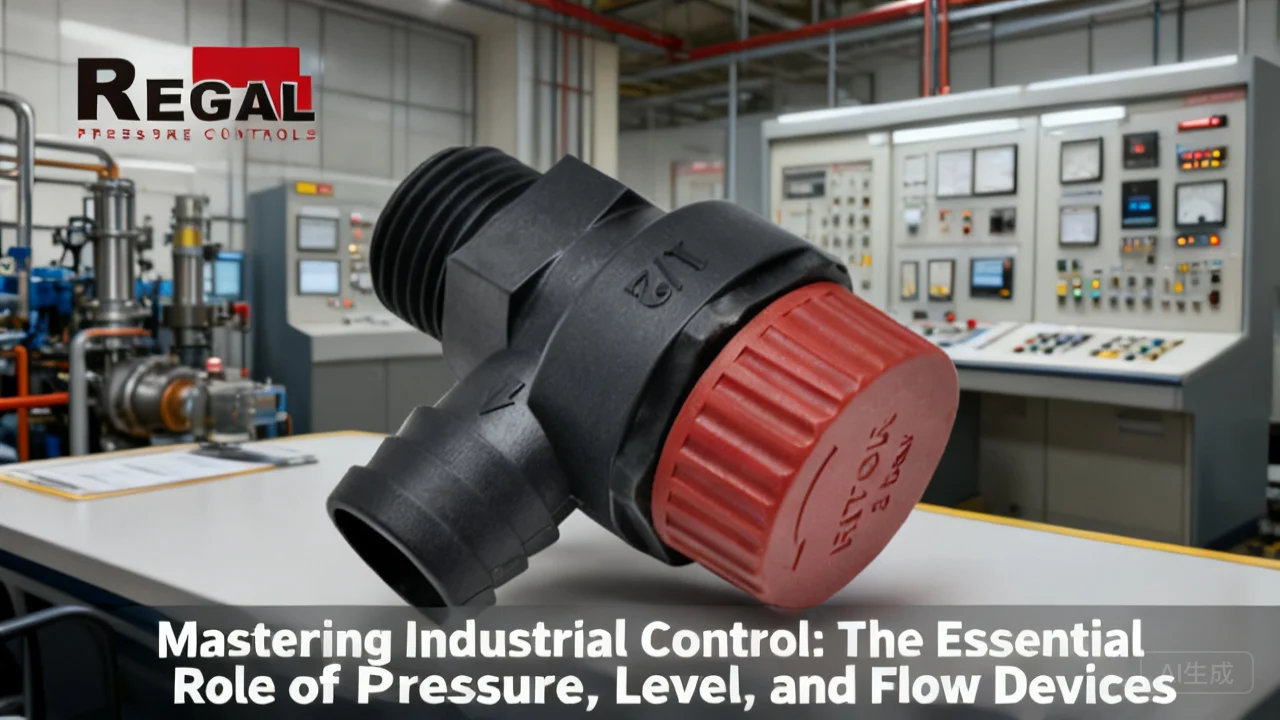
Perhaps the most critical components for protecting industrial systems and personnel are safety relief valves. A Safety Relief Valve is an automatic pressure-relieving device actuated by the static pressure upstream of the valve and used for liquid or gas service. Its primary function is to prevent catastrophic over-pressurization in pressure vessels, pipelines, and other equipment.
When system pressure exceeds a predetermined set point, the valve opens to discharge excess fluid, thereby reducing pressure to a safe level. Once the pressure drops below the set point, the valve re-closes. This simple yet vital mechanism is non-negotiable for compliance with safety standards and for mitigating the risk of explosions, equipment damage, and injury. Types include conventional, balanced bellows, and pilot-operated valves, each designed for specific service conditions and media.
The Foundation of Reliability: Quality Parts and System Integration
The performance of any industrial system is directly proportional to the quality and reliability of its individual components. Investing in high-quality Parts for pressure switches, level sensors, flow sensors, and safety relief valves is not an option but a necessity. Substandard components can lead to inaccurate readings, frequent failures, increased maintenance costs, and, worst of all, safety hazards.
Beyond individual component quality, proper system integration, installation, and regular calibration are crucial. A well-designed system ensures that these control devices work in harmony, providing accurate data and timely responses. This holistic approach to industrial control leads to:
- Enhanced operational efficiency and reduced energy consumption.
- Minimized downtime and maintenance costs.
- Improved product quality and consistency.
- Unwavering compliance with safety regulations.
خاتمة
Pressure switches, water level switches, water level sensors, flow sensors, and safety relief valves are more than just components; they are the intelligent eyes and hands of industrial automation. By understanding their diverse capabilities and making informed choices regarding their selection and implementation, businesses can build more resilient, efficient, and safer operations. Prioritizing precision and protection through these essential control devices is key to achieving sustained operational excellence in today’s demanding industrial landscape.