In the complex ecosystems of modern industrial operations, a myriad of critical components work tirelessly behind the scenes to ensure smooth processes, optimal performance, and, most importantly, unparalleled safety. From maintaining precise fluid levels to safeguarding against dangerous overpressure, devices like pressure switches, level sensors, flow sensors, and safety relief valves are not mere accessories; they are foundational pillars of operational integrity. Understanding their functions, applications, and the importance of quality in their selection is paramount for any B2B enterprise aiming for peak reliability and compliance.
سوئیچهای فشار: نگهبانان خاموش سلامت سیستم
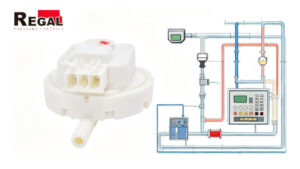
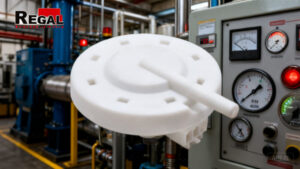
Pressure switches are electromechanical devices designed to respond to changes in pressure, acting as a critical control or safety mechanism. When the pressure within a system reaches a predetermined set point, the switch either opens or closes an electrical contact, triggering an action such as starting/stopping a pump, activating an alarm, or shutting down a system. Their versatility makes them indispensable across countless industries:
- سوئیچهای فشار هوا: Crucial for HVAC systems, pneumatic control, air compressors, and vacuum systems, ensuring optimal operating pressures and preventing equipment damage.
- سوئیچهای فشار آب: Essential in water treatment plants, irrigation systems, booster pumps, and fire suppression systems, maintaining desired water flow and pressure.
These devices come in various designs—diaphragm, piston, and bellows types—each suited for different pressure ranges, media, and environmental conditions. Their precision prevents costly downtime and extends the lifespan of associated machinery.
Mastering Liquid Levels: Water Level Switches and Sensors
Managing fluid levels is critical for preventing overflows, protecting pumps from dry-running, and optimizing process control. Water level switches and sensors provide the intelligence needed to monitor and control liquid heights accurately:
- سوئیچهای سطح آب: Typically provide a discrete ON/OFF signal when a specific level is reached. Common types include float switches (mechanical buoyancy), conductive switches (detecting liquid presence between electrodes), and optical switches (using light refraction). They are ideal for simple pump control, high/low level alarms in tanks, sumps, and reservoirs.
- سنسورهای سطح آب: Offer continuous measurement, providing an analog output proportional to the liquid level. Ultrasonic sensors use sound waves to measure distance to the surface, hydrostatic sensors measure pressure exerted by the liquid column, and radar sensors use electromagnetic waves. These are vital for complex process control, inventory management in large tanks, and applications requiring precise, real-time level data in industries like chemical processing, wastewater treatment, and boiler control.
The choice between a switch and a sensor depends on the application’s complexity, the required level of data, and the nature of the liquid being monitored.
The Pulse of the Pipeline: Flow Sensors
Monitoring the flow rate of liquids and gases is fundamental for quality control, efficiency, and safety in many industrial processes. Flow sensors provide valuable data on how much material is moving through a pipeline at any given time:
- انواع و کاربردها:
- سنسورهای جریان چرخهای پدالی: Cost-effective for water and low-viscosity fluids, often used in irrigation and cooling systems.
- سنسورهای جریان الکترومغناطیسی: Ideal for conductive liquids, including slurries and corrosive chemicals, found in water/wastewater and food & beverage industries.
- سنسورهای جریان اولتراسونیک: Non-intrusive, suitable for a wide range of fluids, including highly viscous or dirty liquids, often used for large pipes and challenging applications.
- سنسورهای جریان جرمی حرارتی: Excellent for gases, measuring mass flow directly, popular in HVAC and compressed air systems.
- Coriolis Flow Sensors: Highly accurate for both mass and volumetric flow, suitable for virtually any fluid, critical in custody transfer and high-precision chemical dosing.
Accurate flow measurement helps optimize pump efficiency, prevent equipment damage from insufficient flow, detect leaks, and ensure precise ingredient mixing in batch processes.
Safety First: The Indispensable Safety Relief Valve
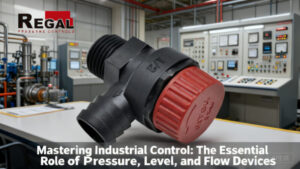
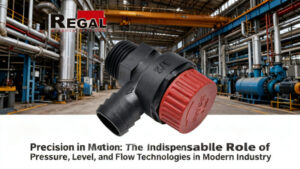
Perhaps no component is more critical for personnel and equipment safety than the safety relief valve (SRV). These mechanical devices are designed to automatically open and discharge fluid when the pressure inside a vessel or system exceeds a predetermined, safe operating limit. Their primary function is to prevent catastrophic overpressure events that could lead to explosions, equipment failure, and severe injury or loss of life.
Safety relief valves are mandated by numerous industry standards and regulations (e.g., ASME Boiler and Pressure Vessel Code) and are found in virtually every system that handles pressurized fluids or gases, including boilers, pressure vessels, pipelines, and chemical reactors. They are a passive safety mechanism, always on guard, ready to act without external power or control inputs. Investing in high-quality, properly sized, and regularly maintained SRVs is not just good practice—it’s a legal and ethical imperative.
The Foundation of Reliability: Quality Parts and Maintenance
The long-term reliability and performance of pressure switches, level sensors, flow sensors, and safety relief valves are heavily dependent on the quality of their individual components and the availability of genuine replacement parts. Using substandard or incorrect parts can compromise accuracy, lead to premature failure, and, in the case of SRVs, introduce significant safety risks.
Regular maintenance, calibration, and timely replacement of worn-out parts with OEM-specified components are crucial for ensuring these critical devices continue to function as intended, contributing to sustained operational efficiency, regulatory compliance, and a safe working environment. Partnering with suppliers who offer comprehensive technical support and a robust inventory of genuine parts is key to minimizing downtime and maximizing the lifespan of your industrial infrastructure.
Conclusion: Investing in a Secure and Efficient Future
The integration of advanced pressure switches, water level switches and sensors, flow sensors, and safety relief valves forms the backbone of modern industrial automation and safety protocols. These devices, though often overlooked, are fundamental to achieving precision control, preventing costly failures, and ensuring the safety of personnel and assets. For B2B organizations, investing in high-quality, reliable solutions and their corresponding genuine parts is an investment in operational excellence, regulatory compliance, and a resilient, productive future. By prioritizing these essential components, industries can navigate complex challenges with confidence, securing both their bottom line and their most valuable resource: their people.