In the intricate landscape of modern industrial operations, precision, reliability, and safety are not merely buzzwords but foundational pillars for success. From manufacturing plants to water treatment facilities, HVAC systems to chemical processing units, the seamless functioning of critical processes hinges on the accurate monitoring and control of various physical parameters. This comprehensive guide delves into essential components like pressure switches, level sensors, flow sensors, and safety relief valves, highlighting their pivotal roles in ensuring operational efficiency, process integrity, and personnel safety.
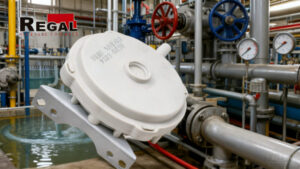
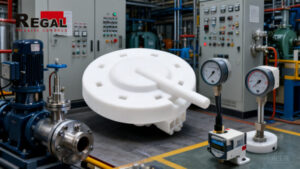
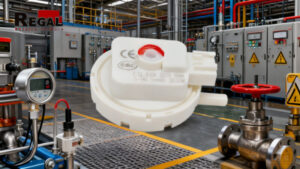
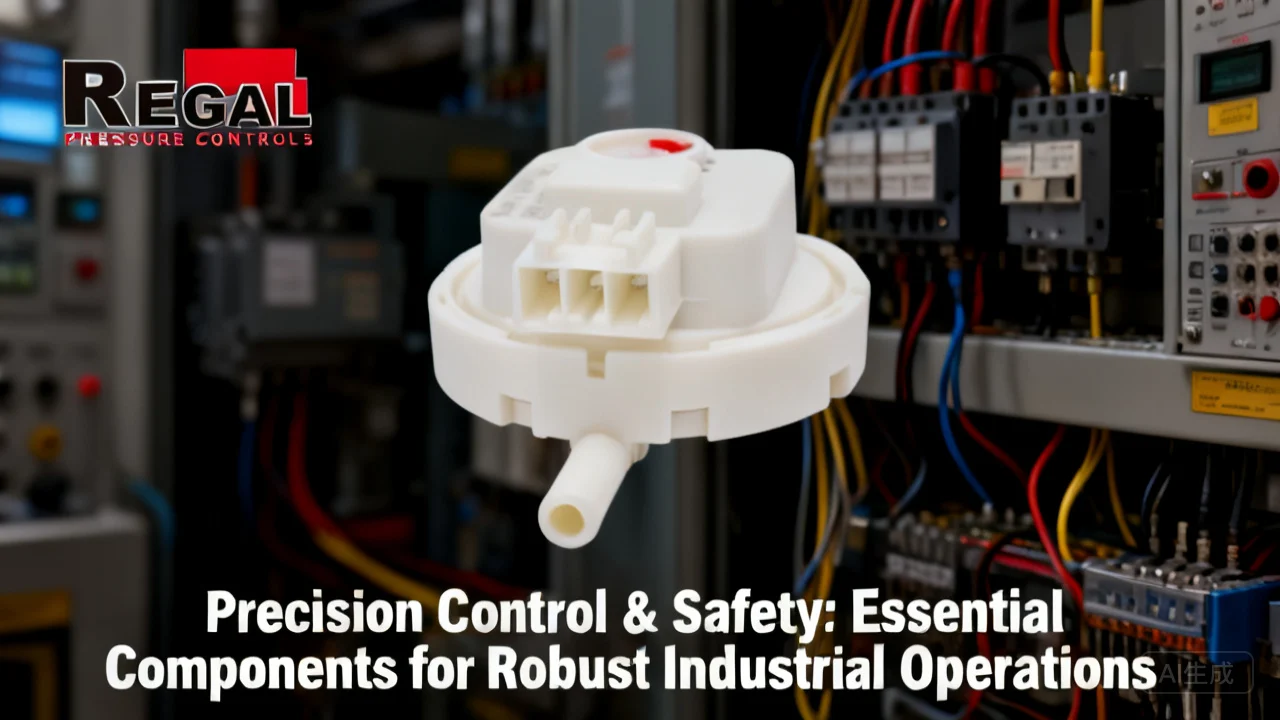
Pressure switches are indispensable electromechanical devices designed to monitor the pressure within a system and trigger an electrical switch when a predetermined set point is reached. Their primary function is to protect equipment from overpressure or underpressure conditions, automate processes, or provide critical feedback for control systems. The versatility of pressure switches makes them vital across countless industries.
سوئیچهای فشار هوا
Specifically engineered for pneumatic systems, air pressure switches are commonly found in compressors, vacuum systems, HVAC units, and industrial machinery. They can initiate or halt operations based on air pressure thresholds, preventing damage to equipment or ensuring optimal performance. For instance, an air pressure switch might activate an alarm if a vacuum pump loses suction or shut down a compressor if pressure exceeds safe limits.
سوئیچهای فشار آب
Designed for liquid media, water pressure switches are ubiquitous in pump control systems, irrigation, domestic water supply, and industrial fluid handling. They maintain consistent water pressure, protect pumps from dry-running, or activate booster pumps when demand increases. Their robust construction often involves corrosion-resistant materials to withstand continuous exposure to water.
When selecting a pressure switch, critical factors include the operating pressure range, set point accuracy, hysteresis (the difference between the switch’s actuation and de-actuation points), media compatibility, electrical rating, and environmental considerations like temperature and vibration resistance.
Level Monitoring Solutions: Ensuring Optimal Fluid Management
Accurate level detection is paramount in applications involving tanks, sumps, boilers, and reservoirs. Whether for preventing overflows, ensuring minimum levels, or managing inventory, reliable level monitoring protects assets and optimizes processes.
سوئیچهای سطح آب
Water level switches provide simple, reliable point-level detection. Operating on principles such as float mechanisms, conductivity, or optical sensing, they signal when a liquid reaches a specific high or low level. These switches are ideal for basic pump control, high/low alarms, or preventing dry-run conditions in tanks and sumps.
سنسورهای سطح آب
For more sophisticated applications requiring continuous measurement, water level sensors offer analog or digital outputs proportional to the fluid level. Technologies include hydrostatic (pressure-based), ultrasonic, radar, and guided wave radar. These sensors are crucial for precise inventory management, process control, and advanced automation, providing real-time data for SCADA or DCS systems. Selection depends heavily on the fluid properties, tank geometry, required accuracy, and environmental conditions.
Flow Sensors: Tracking the Pulse of Fluid Movement
Monitoring the flow rate of liquids and gases is essential for process control, efficiency, and safety. Flow sensors (or flow meters) measure the volume or mass of fluid moving through a pipe over a given time, providing vital data for a multitude of industrial applications.
From HVAC systems measuring refrigerant flow to chemical plants monitoring reagent delivery, and water treatment facilities tracking water distribution, flow sensors ensure processes operate within specified parameters. Different technologies, such as paddle wheel, electromagnetic, ultrasonic, and thermal mass flow sensors, cater to various fluid types, flow rates, and accuracy requirements. Proper selection involves considering the fluid’s properties, pipe size, desired accuracy, pressure drop, and installation constraints.
شیرهای اطمینان: آخرین خط دفاعی
Among the most critical safety devices in any pressurized system is the Safety Relief Valve (SRV). Designed to automatically release pressure when a system exceeds a predetermined set point, SRVs prevent catastrophic equipment failure, protect pipelines, and most importantly, safeguard personnel.
Operating on a simple yet highly effective principle, SRVs remain closed until the system pressure reaches their set pressure, at which point they rapidly open to discharge the excess fluid (liquid or gas) until the pressure drops to a safe level, then re-close. They are mandated in numerous industries and applications, including boilers, pressure vessels, heat exchangers, and chemical reactors. The correct sizing, installation, and regular maintenance of safety relief valves are non-negotiable for compliance with safety regulations and ensuring the integrity of industrial operations.
The Indispensable Role of Quality Parts and Components
The performance, reliability, and longevity of any industrial system are directly tied to the quality of its individual components. Specifying high-quality pressure switches, level sensors, flow sensors, safety relief valves, and associated parts is not merely an expense but a strategic investment. Inferior components can lead to frequent breakdowns, inaccurate readings, increased maintenance costs, production downtime, and even critical safety failures. Investing in robust, precisely engineered parts from reputable manufacturers ensures:
- قابلیت اطمینان پیشرفته: Fewer unexpected failures and consistent performance.
- طول عمر طولانی: Components withstand harsh industrial environments longer.
- دقت بهبود یافته: Precise monitoring and control for optimal process efficiency.
- کاهش زمان از کارافتادگی: Minimizing costly interruptions to operations.
- انطباق با مقررات: Meeting industry standards and safety mandates.
- Lower Total Cost of Ownership: Reduced replacement and maintenance expenses over time.
Furthermore, having access to genuine spare parts is crucial for efficient maintenance and repairs, ensuring that when components reach the end of their service life, they can be replaced with exact, high-quality equivalents.
Selecting the Right Components for Your Application
Choosing the appropriate pressure, level, flow, and safety components requires a thorough understanding of the specific application and operating conditions. Key considerations include:
- سازگاری با رسانهها: Ensure materials of construction are compatible with the fluid or gas.
- شرایط عملیاتی: Pressure range, temperature, viscosity, and density of the media.
- دقت و تکرارپذیری: The required precision for monitoring and control.
- الزامات خروجی: Analog (4-20mA, 0-10V), digital (relay, switch), or communication protocols (Modbus, HART).
- عوامل محیطی: Exposure to vibration, corrosive atmospheres, or hazardous areas.
- Mounting and Installation: Space constraints, connection types, and ease of maintenance.
- گواهینامهها و استانداردها: Compliance with industry-specific regulations (e.g., ASME for SRVs, NEMA ratings).
نتیجهگیری
The array of pressure switches, level sensors, flow sensors, and safety relief valves represents the technological backbone of modern industrial automation and safety. Their precise functionality underpins the efficiency, control, and inherent safety of countless processes. By understanding the capabilities and critical selection criteria for each of these components, businesses can make informed decisions that lead to more reliable systems, reduced operational risks, and ultimately, greater productivity and profitability. Partnering with experienced suppliers who offer high-quality, certified parts is essential for building and maintaining robust industrial infrastructure.