In the intricate world of industrial operations, precision, safety, and efficiency are not merely goals but absolute necessities. From manufacturing plants to water treatment facilities, the reliable performance of critical systems hinges on the accurate monitoring and control of various parameters. This demands a sophisticated array of components capable of sensing changes, initiating actions, and safeguarding against potential hazards. Among these essential devices are pressure switches, water level switches and sensors, flow sensors, and safety relief valves – each playing a pivotal role in maintaining operational integrity and optimizing performance.
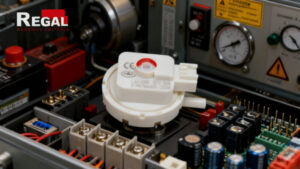
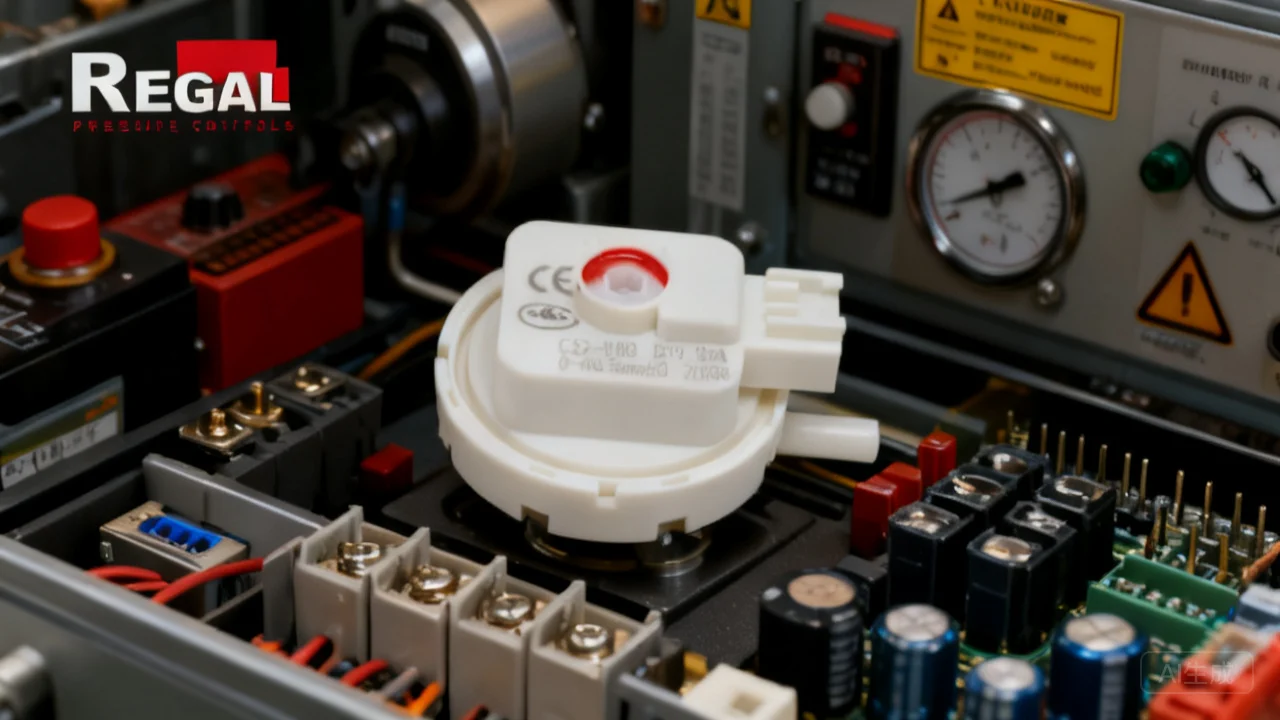
Pressure switches are fundamental components designed to monitor the pressure within a system and trigger an electrical switch when a predefined pressure threshold is met or exceeded. Their primary function is to protect equipment, automate processes, and ensure safety by preventing over-pressurization or under-pressurization conditions. They act as vigilant sentinels, translating a physical state into an electrical signal.
سوئیچهای فشار هوا
Specifically engineered for pneumatic systems, HVAC applications, and gas lines, air pressure switches are crucial for managing air compressors, vacuum systems, and ventilation units. They can activate or deactivate fans, pumps, or alarms based on air pressure fluctuations, ensuring optimal operational parameters are maintained and preventing costly downtime or equipment damage. For instance, in a dust collection system, an air pressure switch might signal when a filter needs cleaning, based on increased differential pressure.
سوئیچهای فشار آب
Vital in hydraulic systems, water distribution networks, and industrial washing applications, water pressure switches control pumps, activate alarms, or shut down systems in response to water pressure changes. They are indispensable for maintaining consistent water supply, protecting pumps from dry-running, or signaling leaks. Common applications include well pumps, booster pump systems, and irrigation controls, where reliable water pressure is paramount for efficient operation and equipment longevity.
Mastering Liquid Dynamics: Water Level Switches and Sensors
Managing liquid levels is critical across countless industries, from chemical processing to wastewater management. Water level switches and sensors provide the necessary intelligence to prevent overflows, avoid dry-running of pumps, and maintain consistent inventory levels.
سوئیچهای سطح آب
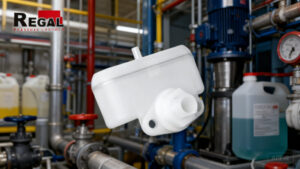
These devices offer discrete control, activating or deactivating a circuit when a liquid reaches a specific high or low level. Simple yet effective, float switches are a common type, mechanically rising or falling with the liquid level to toggle a switch. Other technologies include conductive, optical, or vibrating fork switches, chosen based on the liquid’s properties and application requirements. They are ideal for basic pump control, high/low level alarms, and preventing spills in tanks or sumps.
سنسورهای سطح آب
Unlike switches, water level sensors provide continuous measurement of liquid levels, offering real-time data for precise monitoring and control. Technologies range from ultrasonic sensors that measure the time it takes for sound waves to reflect off the liquid surface, to hydrostatic sensors that measure the pressure exerted by the liquid column, and capacitive sensors that detect changes in capacitance due to the liquid’s presence. These sensors are invaluable for inventory management, continuous process control, and sophisticated automation systems where exact level data is required for optimization and reporting.
The Pulse of the Pipeline: Flow Sensors
Understanding and controlling the rate at which fluids move through a system is essential for process efficiency, product quality, and resource management. Flow sensors are designed to measure this flow rate, providing crucial data for operational adjustments and system protection.
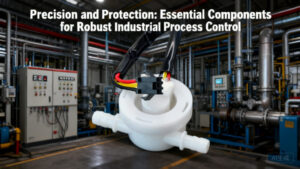
Whether monitoring liquids, gases, or steam, flow sensors come in various technologies to suit diverse applications. Paddle wheel sensors are cost-effective for clean liquids, while magnetic flow meters excel with conductive fluids, offering high accuracy without obstruction. Ultrasonic flow meters provide non-invasive measurement, ideal for corrosive or high-purity liquids. Thermal mass flow meters are preferred for gas flow measurement. Applications span from ensuring correct chemical dosing in water treatment to monitoring coolant flow in machinery and detecting leaks in pipelines. Accurate flow data helps optimize pump performance, prevent cavitation, and ensure consistent batching processes, directly impacting efficiency and reducing waste.
The Last Line of Defense: Safety Relief Valves
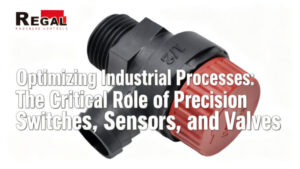
While sensors and switches manage day-to-day operations, safety relief valves stand as the ultimate safeguard against catastrophic failures due to overpressure. These mechanical devices are designed to automatically open and discharge excess pressure from a system when a predetermined set pressure is reached, then reclose once the pressure returns to a safe level.
Safety relief valves are mandated in many industrial codes and standards due to their critical role in protecting pressure vessels, boilers, pipelines, and other pressurized equipment from rupturing. They prevent damage to expensive machinery, minimize downtime, and, most importantly, protect personnel from severe injury or fatality. Choosing the correct type and sizing of a safety relief valve – whether a spring-loaded, pilot-operated, or power-actuated valve – is paramount for compliance and effective overpressure protection in industries ranging from oil and gas to chemical processing and power generation. They are non-negotiable components in any system where pressure containment is a factor, acting as a critical passive safety measure.
The Synergy of Quality Parts and System Integration
The efficacy of any industrial system is not just about the presence of these individual components, but their quality, reliability, and seamless integration. Each “Part” – be it a housing, a seal, an electronic module, or a mounting bracket – contributes to the overall robustness and longevity of the sensing and control device. High-quality parts ensure consistent performance, reduce maintenance needs, and extend the operational life of the entire system, leading to a superior return on investment.
Furthermore, these devices rarely operate in isolation. They are integral elements of larger control loops, feeding data to PLCs (Programmable Logic Controllers), SCADA systems, or DCS (Distributed Control Systems). Effective system integration ensures that the data from pressure switches, level sensors, and flow meters is accurately interpreted, and that safety relief valves are correctly specified to interact with the system’s dynamics. A holistic approach to selecting and integrating these components is key to building resilient, efficient, and safe industrial processes that meet the demanding standards of modern operations.
نتیجهگیری
In the relentless pursuit of operational excellence, the sophisticated deployment of pressure switches, water level switches and sensors, flow sensors, and safety relief valves forms the bedrock of modern industrial control. These devices are more than mere components; they are the intelligent eyes and ears of a system, enabling precise control, safeguarding against hazards, and driving efficiency across myriad applications. Investing in high-quality, reliable sensing and safety solutions is not an expense, but a strategic imperative for any B2B enterprise aiming to achieve unparalleled performance, uphold stringent safety standards, and secure a competitive edge in today’s dynamic industrial landscape.