In the complex world of industrial operations, precision, reliability, and safety are not merely ideals but critical necessities. From manufacturing plants to vast infrastructure projects, the ability to accurately monitor and control fluid dynamics—be it gases or liquids—is paramount for achieving operational excellence, ensuring compliance, and safeguarding assets and personnel. This article delves into the indispensable role of key components: pressure switches, level sensors, flow sensors, and safety relief valves, highlighting how their synergistic integration forms the backbone of modern industrial control systems.
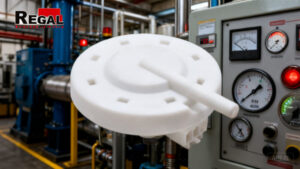
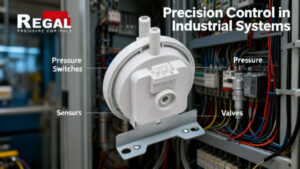
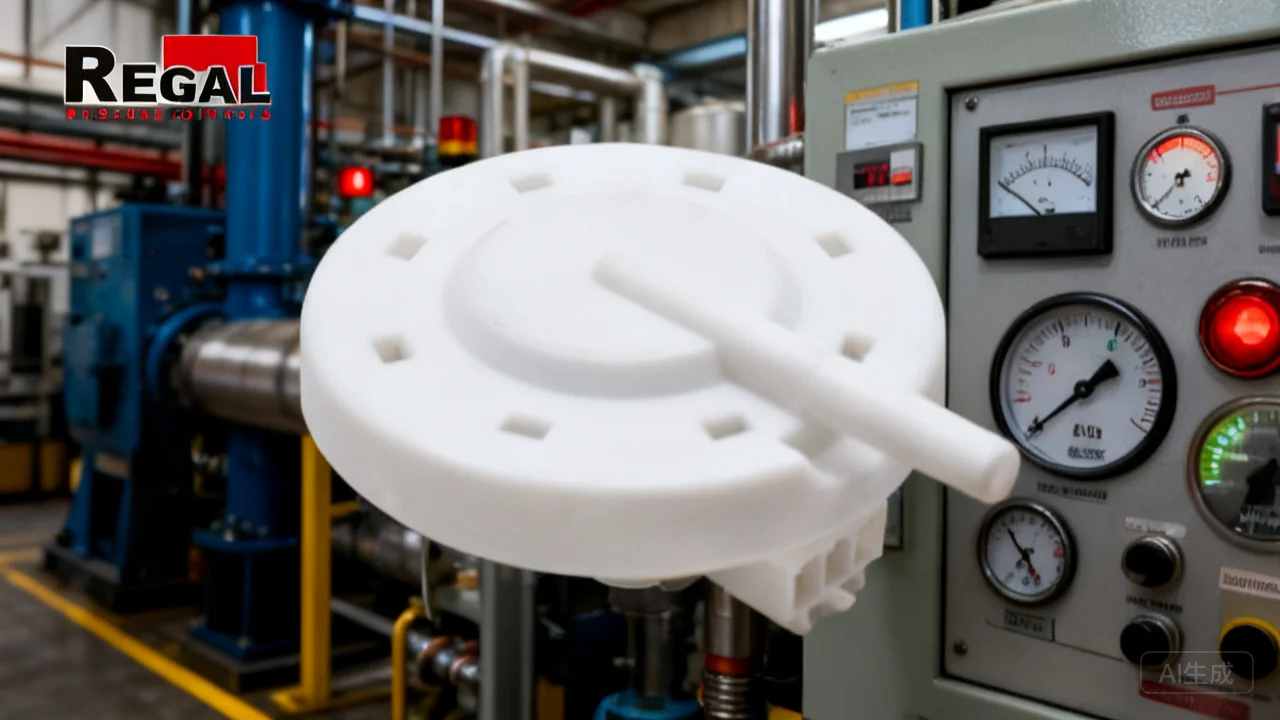
Pressure switches are fundamental electromechanical devices designed to respond to changes in system pressure by opening or closing an electrical contact at a predetermined set point. Their simplicity belies their critical function in automating processes, protecting equipment, and ensuring system integrity.
- سوئیچهای فشار هوا: These are vital in systems utilizing compressed air, such as HVAC systems, pneumatic tools, and industrial air compressors. They ensure optimal air flow, prevent over-pressurization that could damage equipment, and detect under-pressure conditions that might indicate leaks or system failures. By maintaining specific pressure ranges, they contribute significantly to energy efficiency and the longevity of pneumatic machinery.
- سوئیچهای فشار آب: Essential for liquid systems, water pressure switches are commonly found in pump control applications (e.g., well pumps, booster pumps, irrigation systems) and water treatment facilities. They activate or deactivate pumps to maintain desired water pressure, prevent dry running that can damage pumps, and protect against system overloads. Their precise operation ensures consistent fluid delivery and prevents costly downtime.
The benefits of integrating high-quality pressure switches are manifold: enhanced automation, superior equipment protection, significant energy savings, and improved operational safety. Available in various designs—diaphragm, piston, and bellows types—they offer versatility to suit diverse application requirements.
Mastering Liquid Dynamics with Level Sensing Technologies
Managing fluid levels in tanks, vessels, and sumps is crucial for inventory control, process optimization, and preventing environmental hazards. Level sensing technologies provide the necessary intelligence to achieve this.
- سوئیچهای سطح آب: These provide simple, cost-effective point-level detection. Examples include float switches, which mechanically activate a switch based on liquid buoyancy, and conductive probes, which detect liquid presence through electrical resistance. They are commonly used for tasks like activating sump pumps, triggering high-level overflow alarms, or controlling automatic tank filling and emptying sequences.
- سنسورهای سطح آب: For applications requiring continuous measurement rather than just point detection, water level sensors are indispensable. They provide an analog or digital output proportional to the liquid level, offering real-time data for precise control.
Advanced level sensing technologies include:
- سنسورهای اولتراسونیک: Non-contact, ideal for corrosive liquids or applications where physical contact with the medium is undesirable. They measure the time it takes for sound waves to reflect off the liquid surface.
- سنسورهای هیدرواستاتیک: Submersible, they measure the pressure exerted by the liquid column, which directly correlates to its depth. Suitable for deep tanks and challenging environments.
- Radar Sensors: Offer high accuracy and reliability, even in conditions with foam, vapor, or varying temperatures.
- سنسورهای خازنی: Detect changes in capacitance caused by the presence or absence of a liquid, often used for granular materials or non-conductive liquids.
These sensors are critical in chemical processing, food and beverage production, wastewater treatment, and fuel storage, enabling precise inventory management, optimizing process efficiency, and preventing costly and hazardous spills.
The Criticality of Flow Monitoring with Flow Sensors
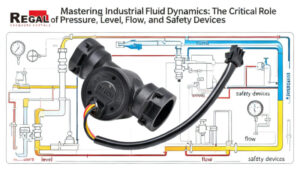
Flow sensors measure the rate of fluid movement through a pipe or channel, providing essential data for process control, resource management, and quality assurance. Accurate flow measurement is vital for maintaining product consistency, detecting leaks, and ensuring efficient system operation.
Key types of flow sensors include:
- حسگرهای چرخهای پدالی: Cost-effective and widely used for clean liquids, they measure flow by detecting the rotation of a paddle wheel within the flow path.
- سنسورهای جریان جرمی حرارتی: Ideal for low flow rates and gases, these sensors measure the heat dissipation from a heated element to determine flow velocity.
- Electromagnetic (Mag) Flow Meters: Designed for conductive liquids, these sensors have no moving parts, offer minimal pressure drop, and are highly accurate, making them suitable for wastewater and chemical applications.
- Coriolis Flow Meters: Providing the highest accuracy, Coriolis meters measure mass flow directly, irrespective of fluid density or viscosity. They are versatile for various fluids, including gases, liquids, and slurries.
Flow sensors are integral to HVAC systems, chemical blending processes, pharmaceutical manufacturing, and water distribution networks, ensuring correct ingredient ratios, efficient cooling, and preventing system damage due to inadequate flow.
Ensuring Safety with Safety Relief Valves
In any pressurized system, the risk of over-pressurization—which can lead to equipment failure, explosions, and severe injuries—is a constant concern. Safety Relief Valves are paramount safety devices designed to mitigate this risk.
Their primary function is to automatically release excess pressure from a system or vessel when it exceeds a predetermined set point. Once the pressure drops to a safe level, the valve automatically recloses, restoring normal operation. This mechanism is non-negotiable for high-pressure environments such as boilers, pressure vessels, pipelines, chemical reactors, and steam systems. Regulatory compliance often mandates their installation and regular inspection.
The reliability of all these critical components—pressure switches, level sensors, flow sensors, and safety relief valves—is fundamentally dependent on the quality of their constituent قطعات. Seals, diaphragms, springs, O-rings, and other essential components must be of the highest standard to ensure sustained performance, accuracy, and safety. Regular maintenance and the use of genuine, high-quality replacement parts are crucial for extending equipment lifespan, minimizing downtime, and upholding the integrity of your industrial processes.
The synergistic integration of advanced pressure switches, level sensors, flow sensors, and safety relief valves forms the bedrock of modern industrial automation. By understanding their specific functions and selecting the appropriate components, industries can achieve unparalleled levels of operational efficiency, system reliability, and, most importantly, safety. Investing in quality components and their meticulous maintenance is an investment in the future resilience and success of your operations.