In the intricate world of industrial operations, precision, safety, and efficiency are not just aspirations—they are absolute necessities. The seamless functioning of complex systems, from manufacturing plants to water treatment facilities, relies heavily on a suite of seemingly small yet profoundly critical components. Among these, pressure switches, water level switches, water level sensors, flow sensors, and safety relief valves stand out as the unsung heroes, constantly monitoring, controlling, and safeguarding vital processes.
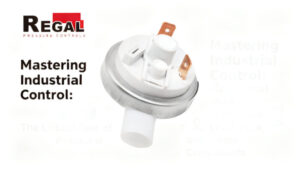
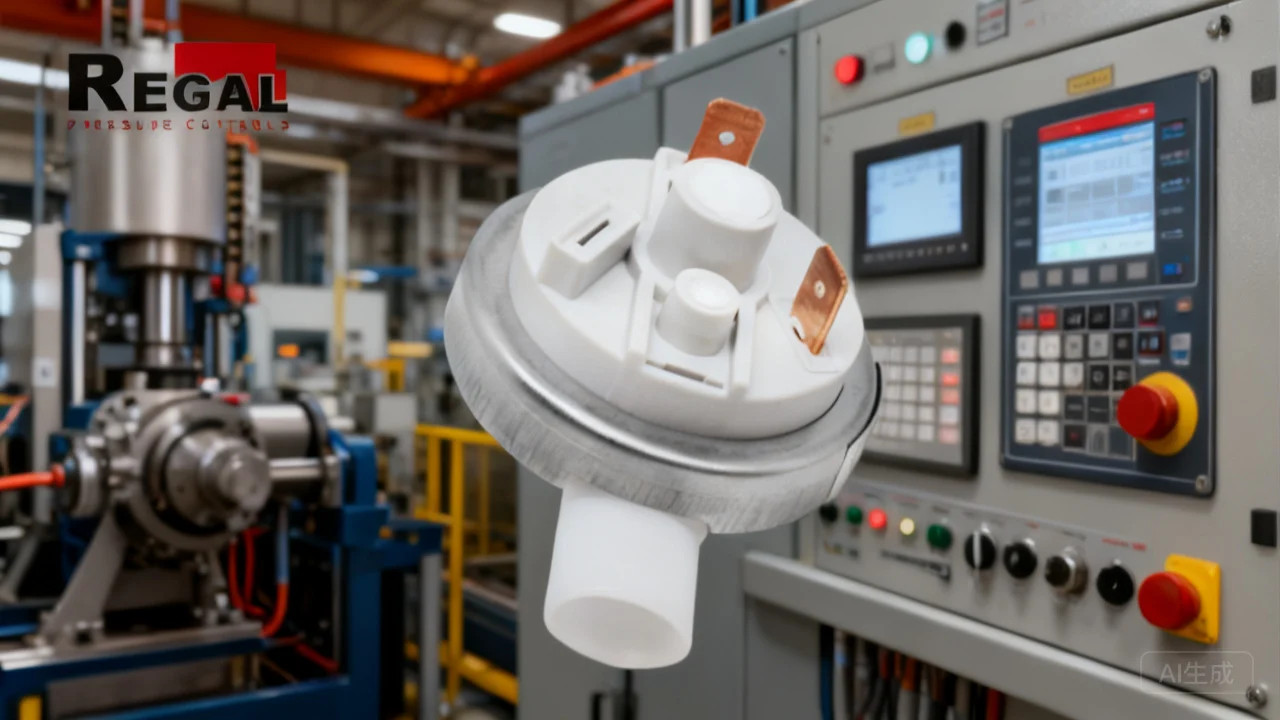
Pressure switches are fundamental control devices designed to monitor the pressure within a system and trigger an electrical switch when a predetermined pressure setpoint is reached. Whether it’s an سوئیچ فشار هوا ensuring optimal compressor performance or a سوئیچ فشار آب regulating a pump, these devices are indispensable for maintaining operational parameters and preventing equipment damage.
انواع و کاربردها:
- سوئیچهای فشار هوا: Crucial in HVAC systems, pneumatic tools, and air compressors, they ensure consistent air supply and prevent over-pressurization.
- سوئیچهای فشار آب: Widely used in water pumps, irrigation systems, and hydraulic machinery, they control fluid flow and protect against dry running or excessive pressure.
Their primary function is to provide an on/off signal, initiating or stopping a process, activating an alarm, or engaging a safety mechanism. By doing so, they safeguard machinery, optimize energy consumption, and ensure the reliability of pressure-dependent operations.
Monitoring the Lifelines: Water Level Switches and Sensors
Managing fluid levels is critical across countless industries, from chemical processing to municipal water management. This is where سوئیچ سطح آب و سنسور سطح آب technologies become invaluable. While switches provide a discrete on/off signal at a specific level, sensors offer continuous measurement, providing more granular data.
Why They Matter:
- Preventing Overflows: In tanks, sumps, and reservoirs, level switches/sensors prevent costly and hazardous spills.
- Protecting Pumps: They prevent pumps from dry running, which can lead to severe damage and costly downtime.
- Optimizing Processes: In boilers, cooling towers, and treatment plants, precise level control ensures optimal chemical dosing, mixing, and overall process efficiency.
From simple float switches to sophisticated ultrasonic and hydrostatic sensors, the choice depends on the application’s specific demands, including media type, temperature, pressure, and required accuracy. Advanced sensors can even integrate with SCADA systems for real-time monitoring and automated control.
Ensuring Smooth Throughput: Flow Sensors
The ability to accurately measure and monitor the flow rate of liquids and gases is paramount for quality control, process optimization, and resource management. سنسور جریان devices provide critical data on how much fluid is moving through a pipe or channel over a given time.
Key Applications and Benefits:
- کنترل فرآیند: In chemical manufacturing, food and beverage production, and pharmaceutical industries, flow sensors ensure precise ingredient mixing and batch control.
- مدیریت منابع: They are vital for tracking water consumption, fuel usage, and gas distribution, helping industries manage resources efficiently and detect leaks.
- ایمنی: Monitoring cooling water flow to critical equipment prevents overheating and potential failures.
From simple paddle wheel sensors for basic flow detection to highly accurate electromagnetic or ultrasonic flowmeters for challenging applications, these devices are essential for maintaining consistent process conditions and ensuring product quality.
محافظت نهایی: شیرهای اطمینان
Perhaps the most critical components for protecting personnel and equipment from catastrophic failure are شیر اطمینان units. These mechanical devices automatically release excess pressure from a system when a predetermined setpoint is exceeded, preventing explosions, ruptures, and other dangerous incidents.
Indispensable for Safety:
- Pressure Vessel Protection: Boilers, storage tanks, and reactors are legally and operationally required to have safety relief valves to prevent over-pressurization.
- Pipeline Integrity: In pipelines transporting hazardous fluids, these valves prevent pressure build-up due to thermal expansion or blockages.
- انطباق با مقررات: Adherence to international safety standards (e.g., ASME, API) mandates the use and proper maintenance of safety relief valves.
Their design and selection require meticulous attention to detail, considering factors like fluid type, operating temperature, set pressure, and discharge capacity. Regular inspection and testing of these valves are non-negotiable to ensure their readiness in an emergency.
Seamless Integration and Critical Parts
The effectiveness of any industrial control system hinges on the correct selection, installation, and integration of these vital components. Understanding the specific demands of the application—media compatibility, pressure and temperature ranges, accuracy requirements, and environmental conditions—is crucial for choosing the right قطعات.
Furthermore, the longevity and reliability of these systems depend on the availability of high-quality replacement قطعات. Regular maintenance, calibration, and timely replacement of worn components ensure continuous, accurate performance and prevent unexpected downtime. In an era of increasing automation and IoT integration, these sensors and switches often serve as the crucial data points that feed into advanced control systems, enabling predictive maintenance, remote monitoring, and greater operational intelligence.
نتیجهگیری
Pressure switches, water level switches and sensors, flow sensors, and safety relief valves are far more than mere accessories; they are foundational elements of modern industrial control and safety. Their collective function ensures that systems operate within safe parameters, processes run efficiently, and resources are managed effectively. Investing in high-quality components and understanding their critical roles is not just good practice—it’s essential for achieving operational excellence, protecting assets, and ensuring the well-being of personnel in any industrial setting. By meticulously selecting, installing, and maintaining these vital devices, businesses can build resilient, efficient, and safe operations that stand the test of time.