In the intricate landscape of modern industrial operations, precision measurement and robust control are not merely advantages—they are absolute necessities. From manufacturing plants and water treatment facilities to HVAC systems and chemical processing, the reliable functioning of machinery and the safety of personnel hinge upon a sophisticated network of sensors, switches, and valves. These critical components act as the eyes, ears, and safety nets of industrial processes, ensuring efficiency, preventing costly downtime, and safeguarding against potentially catastrophic failures.
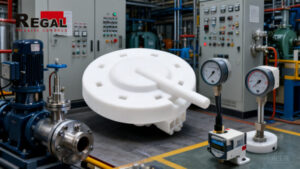
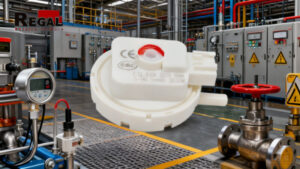
Pressure switches are fundamental devices designed to monitor and respond to changes in fluid or gas pressure within a system. They operate on a simple yet crucial principle: when pressure reaches a pre-defined set point, an electrical contact is either opened or closed, triggering a specific action. This could be starting or stopping a pump, activating an alarm, or initiating a sequential process.
سوئیچهای فشار هوا are ubiquitous in pneumatic systems, HVAC applications, and industrial air compressors. They ensure that air lines maintain optimal pressure for tools and machinery, monitor filter conditions, and can even detect vacuum levels. Their role is vital in preventing equipment damage, optimizing energy consumption, and ensuring the smooth operation of automated systems.
Similarly, سوئیچهای فشار آب are indispensable in applications ranging from domestic well pumps and irrigation systems to complex industrial water treatment plants and fire suppression systems. They prevent pumps from dry-running, maintain constant water pressure in distribution networks, and act as critical safety interlocks in high-pressure washdowns or cooling systems. The ability to adjust set points and hysteresis (the difference between the cut-in and cut-out pressure) makes them incredibly versatile for a wide array of specific operational requirements.
Keeping an Eye on the Fluid: Water Level Switches and Sensors
Managing fluid levels is paramount in countless industrial processes, from storage tanks and sumps to boilers and chemical reactors. سوئیچهای سطح آب provide discrete (on/off) control, typically used to activate or deactivate pumps, open/close valves, or trigger alarms when a pre-set high or low level is reached. They are robust, reliable, and often employed in applications where simple threshold detection is sufficient, such as preventing tank overflows or protecting pumps from running dry.
For applications requiring continuous monitoring and more granular data, سنسورهای سطح آب come into play. These devices provide an analog output proportional to the fluid level, allowing for precise inventory management, advanced process control, and detailed data logging. Common types include ultrasonic sensors (non-contact, ideal for corrosive liquids), hydrostatic sensors (measure pressure exerted by the liquid column), float sensors (mechanical, simple, and reliable), and capacitive sensors (detect changes in capacitance due to fluid presence). The choice depends on factors like accuracy requirements, fluid properties, temperature, and pressure, all critical for optimizing chemical dosing, preventing spills, and ensuring the safe and efficient operation of boilers and heat exchangers.
The Pulse of the Process: Flow Sensors
Understanding the rate and volume of fluid movement is critical for process optimization, quality control, and resource management. سنسورهای جریان (also known as flow meters) are engineered to measure the velocity or volumetric flow rate of liquids or gases through a pipe or conduit. Their applications span industries from HVAC and pharmaceutical manufacturing to water/wastewater treatment and oil and gas.
Various technologies exist, each suited to different fluid types and application demands:
- سنسورهای جریان چرخهای پدالی: Cost-effective and simple, ideal for clean, low-viscosity liquids, often used in cooling systems or water lines.
- کنتورهای جریان توربینی: Offer high accuracy for clean, low-viscosity fluids, commonly found in fuel measurement and chemical dosing.
- Electromagnetic (Magmeter) Flow Meters: With no moving parts, these are excellent for conductive liquids, slurries, and wastewater, providing precise measurements even with varying fluid properties.
- Coriolis Flow Meters: The most accurate and versatile, capable of measuring mass flow, density, and temperature, independent of fluid properties, making them ideal for complex chemical processes and custody transfer.
Accurate flow measurement is instrumental in ensuring correct mixing ratios, optimizing energy consumption, and complying with environmental regulations.
محافظت نهایی: شیرهای اطمینان
While sensors and switches ensure operational efficiency, شیرهای اطمینان are the last line of defense against catastrophic over-pressure events. These mechanical devices are designed to automatically open and discharge excess pressure from a system (such as a boiler, pressure vessel, or pipeline) when it exceeds a pre-determined safe limit. Once the pressure returns to a safe level, the valve automatically re-closes.
The importance of safety relief valves cannot be overstated. They protect equipment from rupture, prevent explosions, and, most importantly, safeguard personnel from severe injury or fatality. Their design and selection are governed by stringent international standards (e.g., ASME, API), requiring meticulous calculation based on system capacity, fluid type, and operating conditions. Regular inspection, testing, and maintenance of these valves are not just best practices; they are regulatory mandates crucial for maintaining plant safety and operational integrity.
System Integration and the Role of Quality Parts
The true power of these individual components—pressure switches, water level sensors, flow meters, and safety relief valves—is realized when they are effectively integrated into a cohesive control system. Whether feeding data to PLCs (Programmable Logic Controllers), SCADA (Supervisory Control and Data Acquisition) systems, or DCS (Distributed Control Systems), their collective input allows for automated processes, real-time monitoring, and predictive maintenance strategies.
The reliability of this entire ecosystem, however, hinges on the quality and compatibility of each individual Part. Opting for genuine, high-quality components from reputable manufacturers ensures not only accurate performance but also long-term durability and resistance to harsh industrial environments. Inferior parts can lead to inaccurate readings, premature failures, increased maintenance costs, and, most critically, compromised safety. Investing in robust, well-engineered components and adhering to recommended maintenance schedules are pivotal for maximizing uptime, reducing operational risks, and ensuring compliance with industry standards.
نتیجهگیری
In the relentless pursuit of operational excellence, industrial pressure switches, level sensors, flow meters, and safety relief valves stand as indispensable pillars. They are the silent sentinels that enable precise control, optimize resource utilization, and provide critical layers of safety across a vast spectrum of industries. Understanding their functions, selecting the right technology for specific applications, and ensuring their quality and proper maintenance are not just technical considerations but strategic imperatives for any organization aiming for peak performance, regulatory compliance, and unwavering safety in its industrial processes. Partnering with experienced suppliers and technical experts is key to navigating this complex landscape and implementing solutions that truly drive value and protection.