In the complex landscape of modern industrial operations, efficiency, safety, and reliability are paramount. Achieving these objectives hinges on the precise monitoring and control of various physical parameters within a system. From managing fluid dynamics to ensuring pressure integrity, a suite of specialized components—including pressure switches, level sensors, flow sensors, and safety relief valves—forms the backbone of robust industrial automation and protection strategies. Understanding their individual functions and how they integrate is crucial for any business striving for operational excellence.
Pressure switches are electromechanical devices designed to monitor and respond to changes in fluid or gas pressure. They act as critical decision-makers, activating or deactivating electrical circuits when a predetermined pressure threshold is met. This simple yet vital function underpins a vast array of industrial applications.
- سوئیچهای فشار هوا: Commonly found in HVAC systems, pneumatic control systems, air compressors, and vacuum equipment. They ensure that air pressure remains within safe operating limits, preventing damage to machinery or optimizing energy consumption by cycling compressors as needed. For instance, in a dust collection system, an air pressure switch might trigger an alarm if filter blockage causes an abnormal pressure drop.
- سوئیچهای فشار آب: Essential for pump control in water supply systems, irrigation, booster pumps, and fire suppression systems. They maintain consistent water pressure, protect pumps from dry-running, and prevent over-pressurization that could lead to pipe bursts or equipment failure. A typical application involves maintaining constant water pressure in a building by turning a pump on when pressure drops below a set point and off when it reaches the desired level.
The reliability and accuracy of these switches are fundamental to preventing costly downtime and ensuring continuous operation.
Mastering Liquid Levels: Water Level Switches and Sensors
Managing liquid levels in tanks, sumps, and reservoirs is a common challenge across industries, from manufacturing and chemical processing to wastewater treatment and agriculture. Water level switches and sensors provide the necessary intelligence to automate filling, emptying, and monitoring tasks, safeguarding against overflows and dry-running conditions.
- سوئیچهای سطح آب: These typically provide a point-level detection—signaling when a liquid reaches a specific high or low point. Common types include float switches (mechanical buoyancy), conductive switches (electrical conductivity between probes), and optical switches. They are ideal for simple ON/OFF control, such as activating a pump to drain a sump or stopping a fill valve to prevent an overflow.
- سنسورهای سطح آب: Offering continuous level measurement, these devices provide more granular data, allowing for precise control and monitoring over an entire range. Ultrasonic, hydrostatic (pressure-based), radar, and capacitive sensors are prevalent. They are crucial for inventory management, process optimization, and complex control systems where knowing the exact volume of liquid is necessary, not just a threshold.
By preventing spills, optimizing resource usage, and protecting pumps, these devices contribute significantly to operational efficiency and environmental compliance.
The Pulse of the Process: Flow Sensors
Understanding and controlling the flow of liquids and gases is critical in numerous industrial processes, from chemical dosing and cooling systems to irrigation and energy management. Flow sensors measure the rate at which a fluid moves through a pipe or channel, providing essential data for process control, efficiency monitoring, and safety.
- انواع و کاربردها: Flow sensors come in various technologies, each suited to different fluid types, flow rates, and accuracy requirements. Paddle wheel sensors are cost-effective for clean liquids; magnetic flow meters are excellent for conductive liquids, especially those with suspended solids; ultrasonic flow meters offer non-intrusive measurement; and thermal mass flow meters are ideal for gases.
- Benefits: Accurate flow measurement enables precise chemical mixing, ensures proper cooling in critical machinery, optimizes water usage in irrigation, and helps detect leaks or blockages in pipelines. In energy systems, monitoring fuel or steam flow can lead to significant efficiency gains and cost savings.
Integrating reliable flow sensors into a system allows for real-time adjustments, predictive maintenance, and overall process optimization.
The Last Line of Defense: Safety Relief Valves
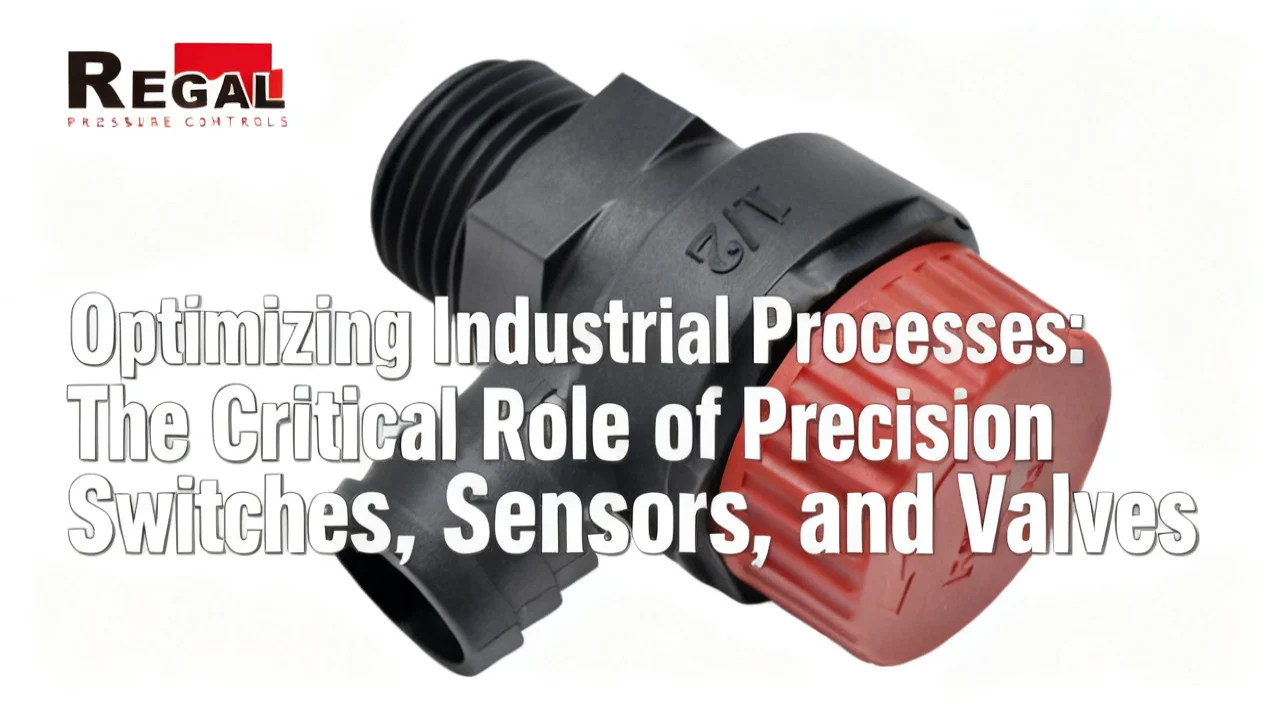
While automation components ensure efficient operation, safety relief valves are the ultimate guardians of industrial systems, protecting equipment, infrastructure, and personnel from the catastrophic consequences of over-pressurization. They are passive mechanical devices designed to automatically open and discharge fluid when the system pressure exceeds a predetermined safe limit, then reclose once the pressure returns to normal.
- Critical Function: In pressure vessels, boilers, pipelines, and chemical reactors, internal pressure can build up due to thermal expansion, chemical reactions, or system malfunctions. Without a safety relief valve, this pressure could lead to explosions, ruptures, or uncontrolled releases of hazardous substances.
- Types and Selection: Common types include spring-loaded relief valves (which open when the force of internal pressure overcomes the spring force) and pilot-operated relief valves (which use system pressure to operate a pilot, which in turn actuates the main valve). Proper selection depends on factors such as fluid type, operating pressure, temperature, and required discharge capacity, ensuring compliance with stringent safety standards like ASME Boiler and Pressure Vessel Code.
Investing in high-quality, properly sized, and regularly inspected safety relief valves is not merely a regulatory requirement but a fundamental commitment to operational integrity and human safety.
The Synergy of Components: Building Resilient Industrial Systems with Quality Parts
The true power of these individual components—pressure switches, water level sensors, flow sensors, and safety relief valves—is realized when they are integrated into a cohesive, intelligent system. They work in concert to provide comprehensive monitoring, control, and protection, creating resilient industrial environments. For instance, a water level sensor might trigger a pump controlled by a water pressure switch, while a flow sensor monitors the output, all safeguarded by a safety relief valve in the event of an anomaly.
Crucially, the performance and longevity of these systems are directly tied to the quality of the “parts” used. Opting for robust, reliable, and precisely engineered components from reputable manufacturers ensures accuracy, minimizes maintenance, and extends the operational life of your entire setup. Factors such as material compatibility with the process fluid, resistance to environmental conditions (temperature, vibration, corrosives), accuracy ratings, and adherence to industry certifications are paramount when making selection decisions.
By carefully selecting and integrating these vital components, businesses can achieve unparalleled levels of automation, optimize resource utilization, drastically reduce the risk of accidents, and ensure continuous, compliant operation. This strategic approach to component specification is not just an expense, but a foundational investment in the future efficiency, safety, and profitability of industrial enterprises.