In the complex world of industrial operations, precision, safety, and efficiency are paramount. Achieving these critical objectives relies heavily on the accurate monitoring and control of various physical parameters, most notably pressure, fluid levels, and flow rates. This article delves into the essential role played by a range of specialized devices—from pressure switches and level sensors to flow meters and safety relief valves—in ensuring the seamless and secure functioning of modern industrial systems.
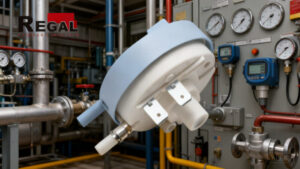
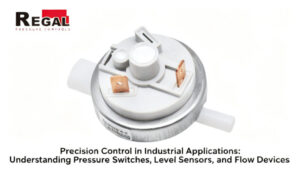
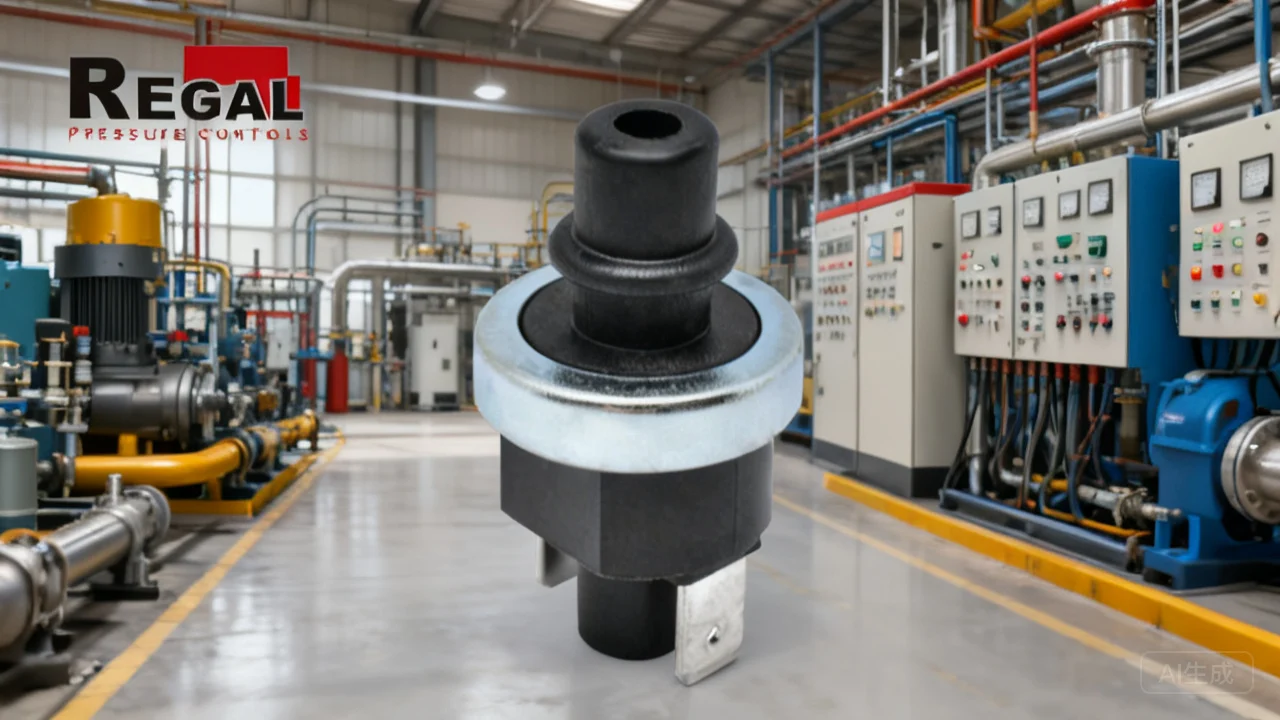
Pressure switches are fundamental components in countless industrial applications, acting as guardians that trigger an action when a predefined pressure threshold is met. These electromechanical or electronic devices typically feature a sensing element (like a diaphragm, bellows, or Bourdon tube) that deforms under pressure, activating a set of electrical contacts. Depending on their configuration, they can either close (normally open, NO) or open (normally closed, NC) a circuit, initiating or halting a process. Their primary function is to protect equipment from overpressure or underpressure conditions, control pump and compressor cycles, and provide critical feedback for automated systems. The reliability of a pressure switch directly impacts the operational integrity and longevity of the machinery it monitors.
Air Pressure Switches: Ensuring Atmospheric Control
Air pressure switches are specifically designed to monitor and control the pressure of gases, most commonly air, within a system. They are ubiquitous in HVAC systems, pneumatic machinery, and combustion air proving applications for furnaces and boilers. In HVAC, they ensure proper airflow and filter conditions. In pneumatic systems, they regulate compressor operation, maintaining optimal working pressure for tools and actuators. For combustion systems, air pressure switches are vital safety devices, verifying adequate airflow for complete combustion and preventing dangerous fuel accumulation, thus safeguarding personnel and property from potential hazards. Their precise calibration and robust construction are key to maintaining both efficiency and safety in these critical environments.
Water Pressure Switches: Managing Liquid Dynamics
Similar to their air counterparts, water pressure switches are engineered to handle liquid media, primarily water. These devices are indispensable in water pumping systems, irrigation networks, and potable water distribution. They automatically start and stop pumps to maintain desired water pressure within a system, preventing issues like dry running (which can severely damage pumps) or excessive pressure buildup. In residential and industrial settings alike, a reliable water pressure switch ensures consistent water supply, protects plumbing infrastructure, and optimizes energy consumption by controlling pump duty cycles. Their ability to withstand corrosive environments and provide accurate readings under varying flow conditions is crucial for long-term performance.
تسلط بر سطح مایعات: سوئیچها و سنسورهای سطح آب
Managing fluid levels in tanks, sumps, and vessels is another critical aspect of industrial control. This is achieved through two primary types of devices: water level switches and water level sensors, each serving distinct purposes.
سوئیچهای سطح آب provide discrete, on/off signals when a specific liquid level is reached. These are typically used for high-level alarms, low-level pump cut-offs, or automatic filling/draining operations. Common technologies include float switches (mechanical buoyancy), conductive probes (detecting conductivity between electrodes), and optical switches (sensing the presence or absence of liquid via light refraction). Their simplicity and reliability make them ideal for applications requiring straightforward level control.
سنسورهای سطح آب, on the other hand, offer continuous measurement of fluid levels, providing an analog or digital output proportional to the level. This allows for more precise monitoring and control, enabling systems to know not just if a level is reached, but what the exact level is at any given moment. Technologies include ultrasonic sensors (measuring time-of-flight of sound waves), hydrostatic pressure sensors (measuring pressure exerted by the liquid column), and radar sensors. These are invaluable in applications requiring continuous inventory management, process control, and real-time data acquisition in industries ranging from chemical processing to wastewater treatment.
The Crucial Role of Flow Sensors
Understanding and controlling the movement of fluids is essential for many industrial processes. Flow sensors (or flow meters) are instruments designed to measure the rate of fluid flow (liquid or gas) through a pipe or conduit. Different principles are employed depending on the fluid type, accuracy requirements, and operating conditions.
Common types include:
- حسگرهای چرخهای پدالی: A rotor with paddles spins at a rate proportional to the flow velocity.
- کنتورهای جریان توربینی: A multi-bladed rotor rotates within the flow stream, with rotation speed proportional to flow.
- سنسورهای جریان جرمی حرارتی: Measure flow based on the heat transfer characteristics of the fluid.
- Electromagnetic Flow Meters: Utilize Faraday’s law of induction to measure the voltage induced by fluid flowing through a magnetic field (for conductive fluids).
- فلومترهای اولتراسونیک: Measure the time difference of ultrasonic pulses traveling with and against the flow.
Flow sensors are critical for process optimization, ensuring correct ingredient ratios, monitoring consumption, detecting leaks, and protecting pumps from dry running conditions. Their precise data empowers operators to maintain optimal process parameters, reduce waste, and enhance overall system efficiency.
شیرهای اطمینان: آخرین خط دفاعی
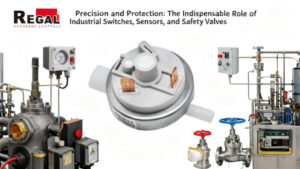
While switches and sensors regulate and monitor, safety relief valves (SRVs) stand as the ultimate safeguard against catastrophic overpressure events. These mechanical devices are designed to automatically open and discharge fluid when the pressure inside a vessel or system exceeds a predetermined safe limit, and then re-close once the pressure returns to an acceptable level. Unlike regulating valves, SRVs are purely safety devices, engineered to prevent equipment damage, system failure, and, most importantly, protect personnel from serious injury or fatality.
They are mandated in virtually every industry dealing with pressurized systems, including boilers, pressure vessels, pipelines, and chemical reactors. The precise design, material selection, and regular inspection of safety relief valves are non-negotiable, as their failure can have devastating consequences. They represent a passive, yet absolutely critical, layer of protection in any high-pressure industrial environment.
نقش ضروری قطعات باکیفیت و نگهداری
The performance and reliability of any industrial control system are only as good as the sum of its parts. Utilizing high-quality components—from the housing materials of a pressure switch to the sealing elements of a safety relief valve—is paramount. Substandard parts can lead to premature failure, inaccurate readings, increased downtime, and compromised safety. Furthermore, regular inspection, calibration, and maintenance are crucial to ensure these devices continue to operate within their specified parameters throughout their service life. Proactive maintenance schedules, coupled with a commitment to genuine replacement parts, are investments that yield significant returns in terms of operational continuity, efficiency, and safety compliance.
نتیجهگیری
Pressure switches, level sensors, flow meters, and safety relief valves are far more than mere components; they are the vigilant sentinels of industrial processes. Together, they form an intricate network that monitors, controls, and protects complex systems, ensuring optimal performance, preventing costly failures, and upholding the highest standards of safety. For any B2B operation striving for excellence in manufacturing, processing, or infrastructure, a comprehensive understanding and strategic implementation of these essential control devices are not just beneficial—they are absolutely indispensable.