In the complex tapestry of industrial operations, precision, safety, and efficiency are not just aspirations but fundamental requirements. Achieving these benchmarks hinges significantly on the reliability and accuracy of various control and sensing mechanisms. From managing critical pressures to monitoring fluid levels and ensuring safe flow, a suite of specialized components—including pressure switches, water level sensors, flow sensors, and safety relief valves—forms the backbone of robust industrial automation and process control systems. Understanding their individual roles and collective synergy is paramount for any business aiming to optimize its operational integrity and protect its assets.
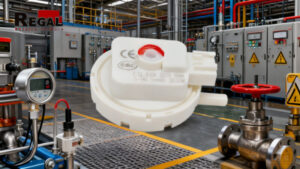
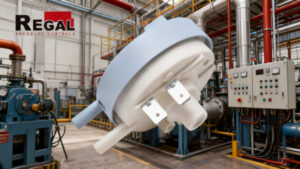
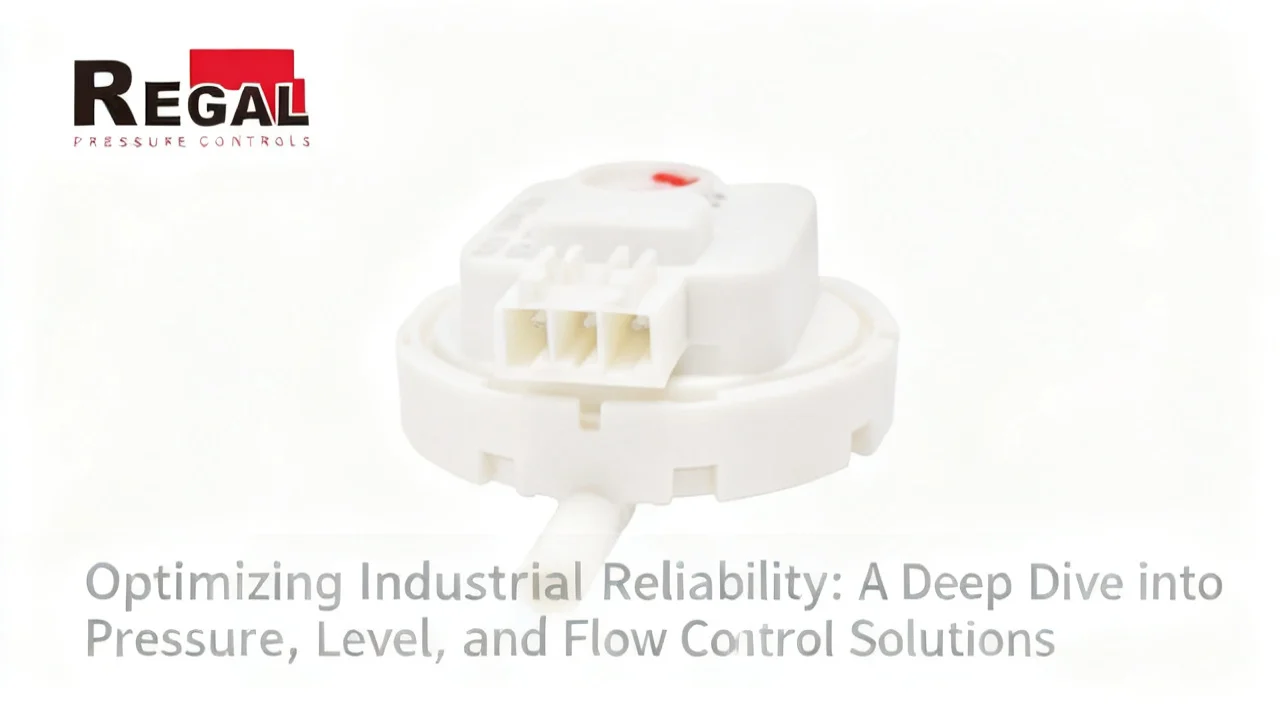
Pressure switches are electromechanical devices designed to monitor pressure within a system and activate or deactivate an electrical contact when a pre-set pressure threshold is reached. Their simplicity belies their critical importance in countless applications, serving as vigilant guardians against under-pressure or over-pressure conditions.
سوئیچهای فشار هوا
Air pressure switches are indispensable in pneumatic systems, HVAC units, air compressors, and vacuum systems. They ensure equipment operates within safe and efficient air pressure ranges, preventing damage, optimizing energy consumption, and maintaining process stability. For instance, in a compressor system, an air pressure switch might activate the motor when pressure drops below a certain point and deactivate it once the desired pressure is achieved, thereby regulating air supply and preventing continuous operation that could lead to wear and tear or overheating.
سوئیچهای فشار آب
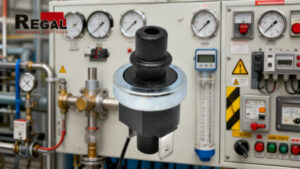
Similarly, water pressure switches play a vital role in hydraulic systems, pump control, water treatment plants, and irrigation systems. They are crucial for maintaining consistent water supply, protecting pumps from dry-running, and preventing pipe bursts due to excessive pressure. A common application is in well pumps, where the switch turns the pump on when water pressure in the tank drops and off when it reaches the set cut-off pressure, ensuring a steady water supply to a building or system.
The reliability of these switches directly impacts system uptime and maintenance costs. High-quality pressure switches offer precise set points, durable construction, and resistance to environmental factors, ensuring long-term performance and minimizing false alarms or failures.
Precision in Measurement: Water Level Switches and Sensors
Monitoring fluid levels is critical across diverse industries, from manufacturing and chemical processing to wastewater management and power generation. Accurate level detection prevents costly spills, protects equipment from damage, and optimizes material usage.
سوئیچهای سطح آب
Water level switches provide point-level detection, signaling when a liquid reaches a specific high or low threshold. These devices are typically used for on/off control, such as activating a pump to fill a tank when the level drops or shutting off an inlet valve to prevent overflow. Common types include float switches, conductive probes, and optical sensors, each suited for different liquid properties and application environments.
سنسورهای سطح آب
In contrast, water level sensors (often referred to as continuous level sensors) provide a continuous output signal proportional to the liquid level, offering more granular data for process control and monitoring. Technologies like ultrasonic, radar, hydrostatic, and guided wave radar sensors offer varying degrees of accuracy, range, and immunity to process conditions. These sensors are vital for inventory management in storage tanks, optimizing chemical dosing, and ensuring precise control in critical processes where exact liquid volumes are crucial.
The choice between a switch and a continuous sensor depends on the application’s specific requirements for control, monitoring, and data acquisition. Both contribute significantly to operational safety and efficiency by preventing costly incidents and optimizing resource management.
The Dynamics of Flow: Flow Sensors
Flow sensors are instrumental in monitoring the movement of liquids, gases, and steam within pipelines, providing essential data for process control, safety, and efficiency. Accurate flow measurement is crucial for quality control, cost management, and ensuring optimal performance of fluid-handling systems.
These devices come in various principles of operation, including paddle wheel, electromagnetic, ultrasonic, thermal mass, and differential pressure types. Each offers unique advantages depending on the fluid characteristics, pipe size, accuracy requirements, and operating conditions.
Applications range from monitoring cooling water in power plants, ensuring correct chemical dosage in water treatment, verifying product flow in manufacturing lines, to detecting leaks or blockages in HVAC systems. By providing real-time flow rates, these sensors enable operators to identify anomalies quickly, optimize pump and valve operations, and maintain consistent process parameters, thereby reducing waste and improving product quality.
The Unsung Heroes: Safety Relief Valves
Perhaps no component underscores the importance of industrial safety more profoundly than the safety relief valve. These mechanical devices are designed as a last line of defense, automatically opening to release excess pressure from a system when a pre-set limit is exceeded, thereby preventing catastrophic equipment failure, explosions, and injury to personnel.
Safety relief valves are mandated in virtually all pressurized systems, including boilers, pressure vessels, pipelines, and chemical reactors. They are critical for compliance with safety regulations and ensuring operational integrity. Proper selection, sizing, installation, and regular maintenance of safety relief valves are non-negotiable. A valve that fails to open or opens prematurely can have devastating consequences. Investing in high-quality, certified safety relief valves and adhering to stringent inspection schedules is a cornerstone of responsible industrial practice.
The Importance of Quality Parts and System Integration
The efficacy of any industrial control system is ultimately a sum of its parts. The performance of pressure switches, water level sensors, flow sensors, and safety relief valves hinges not only on their individual design but also on the quality of their manufacturing, the materials used, and their seamless integration into the larger system. Inferior components can lead to inaccurate readings, premature failures, increased downtime, and compromised safety, ultimately escalating operational costs and risks.
When selecting these critical components, businesses must prioritize suppliers known for their robust engineering, rigorous testing, and adherence to international standards. Considerations should include:
- سازگاری مواد: Ensuring the device materials can withstand the process media and environmental conditions.
- دقت و تکرارپذیری: Critical for consistent process control and reliable safety functions.
- دوام: Components must be built to last in demanding industrial environments.
- گواهینامهها: Compliance with industry-specific safety and performance standards.
- Ease of Integration and Maintenance: Simplifying installation and ongoing service reduces operational overhead.
Furthermore, effective system integration ensures that data from these sensors and switches is accurately communicated and acted upon by control systems, enabling proactive adjustments and automated responses that enhance overall efficiency and safety.
نتیجهگیری
The array of industrial control components—from the vigilant pressure switch to the life-saving safety relief valve—are more than just individual devices; they are interconnected elements of a sophisticated ecosystem dedicated to operational excellence. By investing in high-quality, reliable pressure switches, water level and flow sensors, and safety relief valves, businesses can significantly enhance safety protocols, optimize resource utilization, reduce maintenance expenditures, and ensure the uninterrupted, efficient operation of their critical processes. A proactive approach to selecting and integrating these components is not merely a technical decision but a strategic imperative for sustainable industrial success.