In the complex landscape of modern industrial operations, the ability to accurately monitor and control critical parameters is not merely an advantage—it is an absolute necessity. From manufacturing plants to water treatment facilities, and from HVAC systems to oil and gas pipelines, the precise management of pressure, flow, and liquid levels directly impacts operational efficiency, product quality, and, most importantly, safety. This article delves into the indispensable role of specialized devices such as pressure switches, water level sensors, flow sensors, and safety relief valves, highlighting how these components form the backbone of robust and reliable industrial systems.
The Ubiquity and Vitality of Pressure Switches
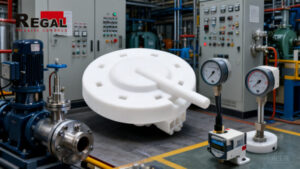
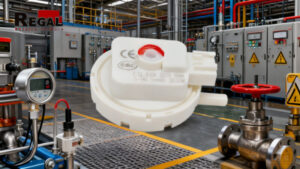
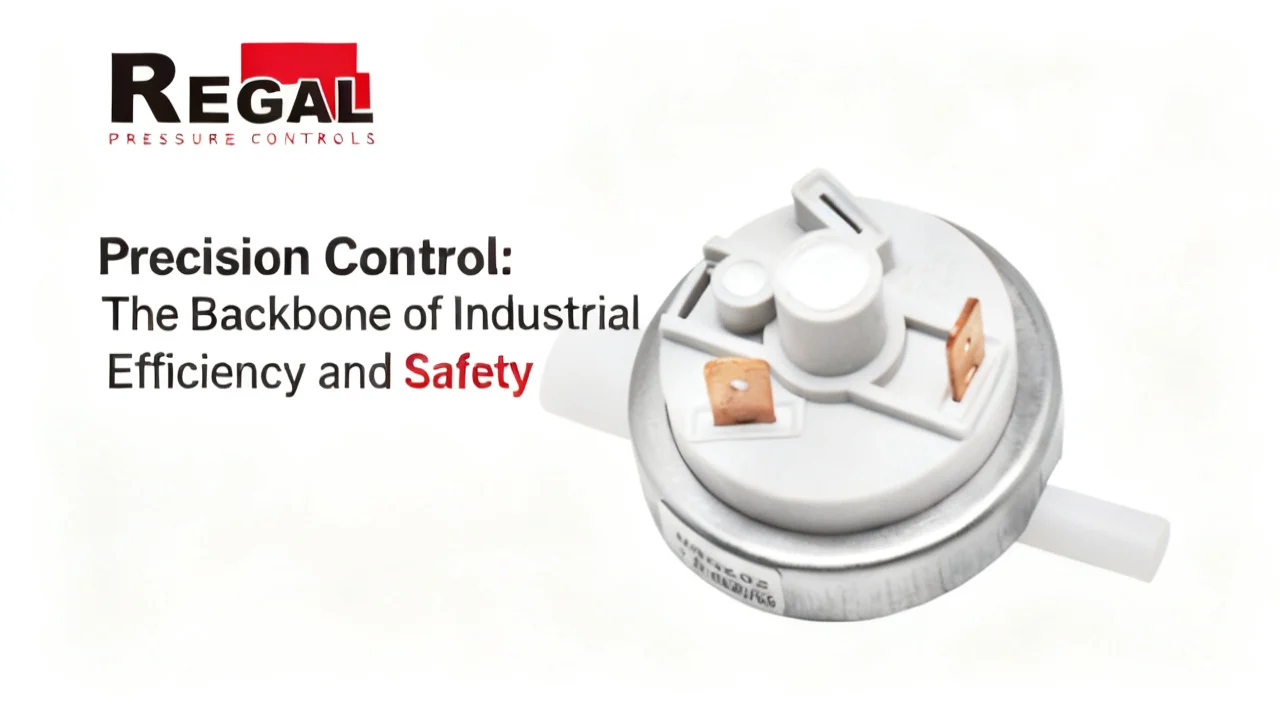
Pressure switches are fundamental components designed to monitor and respond to changes in pressure within a system. Functioning as critical safety and control devices, they activate or deactivate an electrical circuit when a predetermined pressure threshold is met. Whether it’s an pressostat à air comprimé ensuring optimal pneumatic system performance or a pressostat d'eau safeguarding hydraulic lines, their applications are vast and varied. They prevent equipment damage by indicating over-pressure or under-pressure conditions, control pump operation to maintain desired system pressures, and act as interlocks in complex machinery.
Different industrial environments demand specific types of pressure switches. For instance, in HVAC systems, they might monitor refrigerant pressure, while in manufacturing, they could regulate the pressure of compressed air lines. Their reliability and accuracy are paramount, as a failure can lead to costly downtime, equipment damage, or even hazardous situations. Choosing the right pressure switch involves considering factors like operating pressure range, media compatibility, hysteresis, and environmental conditions, ensuring seamless integration and long-term performance.
Mastering Liquid Environments with Water Level Switches and Sensors
Managing liquid levels is crucial across countless industries, from preventing overflows in storage tanks to maintaining precise levels in process vessels. interrupteurs de niveau d'eau provide simple, binary (on/off) control, activating pumps or alarms when a specific high or low level is detected. These are often employed in sumps, reservoirs, and boiler systems to prevent dry-running pumps or catastrophic spills.
For more nuanced applications, capteurs de niveau d'eau offer continuous measurement, providing real-time data on liquid depth. Technologies range from float switches for basic point-level detection to ultrasonic, hydrostatic, and capacitive sensors for highly accurate and continuous monitoring. In water treatment plants, level sensors optimize chemical dosing; in agricultural irrigation, they conserve water; and in industrial boilers, they maintain safe operating levels. The choice between a switch and a sensor, and the specific technology, depends on the required precision, the nature of the liquid, and the environmental conditions.
The Precision of Flow Sensors
Understanding and controlling the flow rate of liquids and gases is vital for process optimization, quality control, and resource management. Flow sensors are devices that measure the rate of fluid movement through a pipe or conduit. From monitoring coolant flow in machinery to ensuring correct ingredient proportions in chemical processes, their role is indispensable.
Various types of flow sensors cater to different applications and fluid characteristics. Turbine flowmeters offer high accuracy for clean liquids, while electromagnetic flowmeters are ideal for conductive liquids and slurries. Ultrasonic flowmeters provide non-invasive measurement, suitable for corrosive or high-purity fluids, and vortex flowmeters are robust for steam and gas applications. Accurate flow data helps detect leaks, optimize energy consumption, and ensure product consistency, making them critical instruments in diverse sectors like pharmaceuticals, food and beverage, and petrochemicals.
Safeguarding Operations with Safety Relief Valves
Perhaps one of the most critical components in any pressurized system is the soupape de sécurité. These mechanical devices are designed to automatically release excess pressure from a system, preventing catastrophic failures, equipment damage, and ensuring the safety of personnel and the environment. Unlike control valves that regulate pressure, relief valves act as a last line of defense, opening only when system pressure exceeds a predetermined safe limit.
Safety relief valves are mandatory on pressure vessels, boilers, pipelines, and any system where overpressure conditions could arise due to thermal expansion, chemical reactions, or equipment malfunction. They are engineered to stringent industry standards and codes, such as ASME, ensuring reliable operation under extreme conditions. Regular inspection, testing, and maintenance of these valves are not just best practices; they are regulatory requirements crucial for maintaining a safe operational environment and preventing potentially disastrous incidents.
The Synergy of Integrated Systems and Quality Parts
The true power of these individual components—pressure switches, water level sensors, flow sensors, and safety relief valves—emerges when they are integrated into cohesive control systems. A sophisticated industrial process might use a flow sensor to monitor the intake of a liquid, a water level sensor to maintain its volume in a tank, a pressure switch to regulate the pump feeding the tank, and a safety relief valve to protect the entire system from overpressure. Each component plays a specific, critical role, contributing to the overall stability, efficiency, and safety of the operation.
The longevity and reliability of these integrated systems depend heavily on the quality of their individual parties. Sourcing high-quality, durable components from reputable manufacturers ensures accuracy, reduces maintenance frequency, and minimizes the risk of unexpected failures. Investing in robust parts translates directly into reduced operational costs, enhanced safety records, and improved overall productivity. Furthermore, proper installation, calibration, and routine maintenance are essential to ensure these devices continue to perform optimally throughout their lifecycle.
Conclusion: Investing in Reliability and Control
In today’s competitive industrial landscape, the pursuit of maximum efficiency, unwavering safety, and consistent quality is paramount. Pressure switches, water level sensors, flow sensors, and safety relief valves are not just accessories; they are foundational elements that enable precise control, safeguard assets, and protect personnel. By understanding their functions, selecting the appropriate types, and integrating them into well-designed systems with high-quality parts, industries can achieve unparalleled operational excellence. Investing in these critical control devices is an investment in the reliability, safety, and future success of any industrial enterprise.