In the intricate world of modern industrial operations, the precise control and safe management of fluids—whether liquid, gas, or steam—are paramount. From manufacturing plants to water treatment facilities, HVAC systems to chemical processing, the reliability and efficiency of these systems directly impact productivity, cost-effectiveness, and, critically, safety. This article delves into the indispensable role of key components like pressure switches, water level sensors, flow sensors, and safety relief valves, highlighting how their integration forms the backbone of resilient and optimized fluid handling systems.
Pressostats : Gardiens de l'intégrité du système
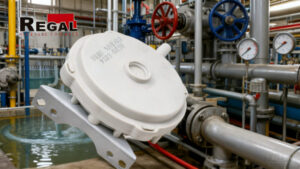
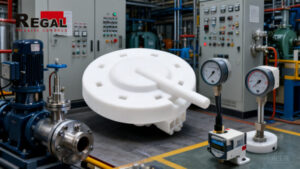
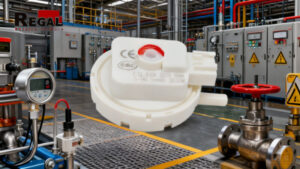
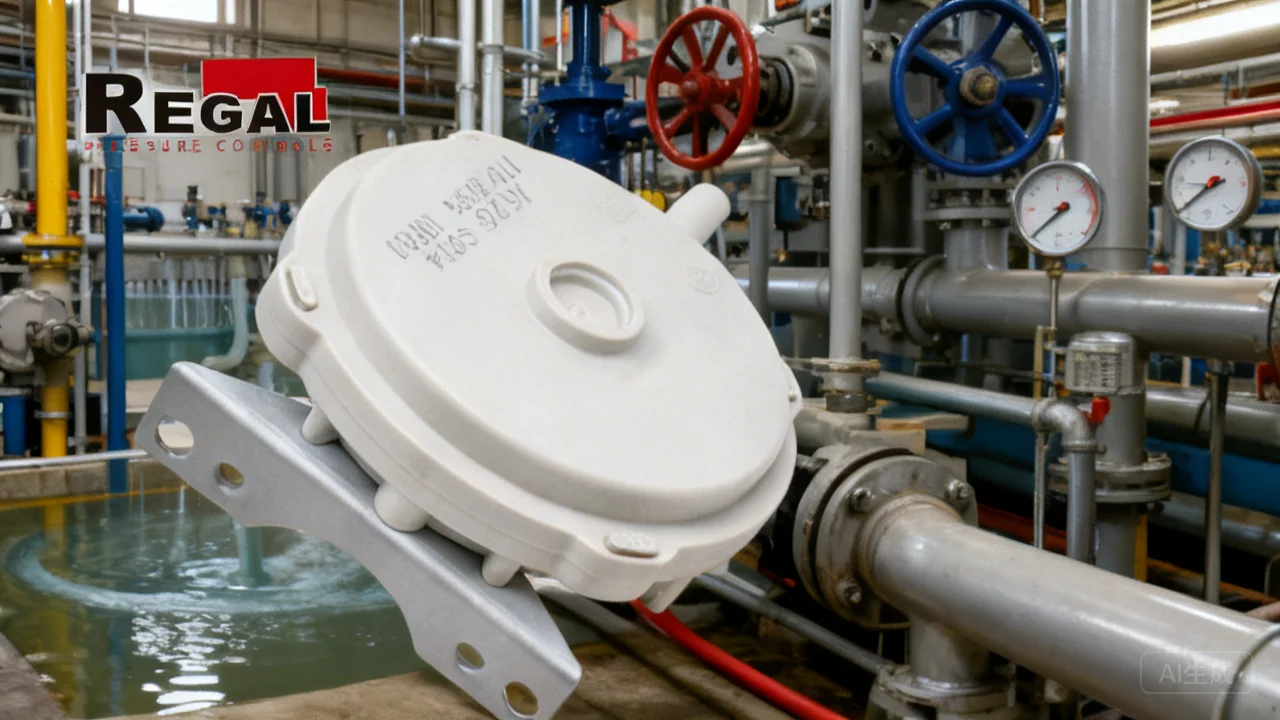
Pressure switches are electromechanical or electronic devices designed to respond to changes in fluid pressure, opening or closing an electrical contact when a preset pressure threshold is reached. Their versatility makes them critical across a spectrum of applications:
- Pressostats pneumatiques : Widely used in pneumatic systems, HVAC units, and industrial compressors, these switches monitor air pressure to ensure optimal operation, prevent over-pressurization, and detect filter blockages. They can activate or deactivate compressors, control ventilation fans, or trigger alarms in case of system anomalies.
- Pressostats à eau : Essential for pump control in water supply systems, irrigation, and booster pump applications. They automatically start or stop pumps to maintain desired water pressure levels, prevent dry running, and protect plumbing infrastructure from excessive pressure.
By providing crucial feedback and control signals, pressure switches automate processes, protect valuable equipment from damage due to abnormal pressure conditions, and contribute significantly to energy efficiency by ensuring pumps and compressors operate only when necessary.
Water Level Switches & Sensors: Mastering Liquid Inventory
Managing liquid levels in tanks, reservoirs, and vessels is fundamental to many industrial processes. Water level switches and sensors offer precise control and monitoring capabilities:
- Interrupteurs de niveau d'eau : These devices provide point-level detection, activating an alarm or control action when a specific high or low liquid level is reached. Common types include float switches, conductive probes, and ultrasonic point level switches. They are vital for preventing overflows, protecting pumps from running dry, and automating filling or draining cycles in sumps, storage tanks, and wastewater treatment facilities.
- Capteurs de niveau d'eau : Unlike switches, continuous level sensors provide real-time, analog, or digital output proportional to the liquid level. Technologies range from hydrostatic (pressure-based) to ultrasonic, radar, and guided wave radar. These sensors are indispensable for inventory management, continuous process monitoring, and sophisticated control loops where precise level data is required for optimization and safety.
The accurate management of liquid levels not only prevents costly spills and equipment damage but also optimizes resource utilization and ensures consistent product quality.
Flow Sensors: The Pulse of Fluid Movement
Flow sensors, or flow meters, are instruments used to measure the rate of fluid (liquid or gas) movement through a pipe or conduit. Understanding and controlling flow rates is critical for process efficiency, quality control, and resource management:
- Applications : From monitoring cooling water in power plants and tracking chemical reagents in pharmaceutical manufacturing to ensuring proper fuel delivery in combustion systems, flow sensors are ubiquitous. They are also vital for detecting leaks, optimizing batching processes, and ensuring compliance with environmental regulations by monitoring effluent discharge.
- Types: Various technologies exist, including turbine flow meters for high accuracy, magnetic flow meters for conductive liquids, vortex flow meters for steam and gases, and ultrasonic flow meters for non-invasive measurement.
Accurate flow measurement allows industries to optimize consumption, ensure product consistency, detect anomalies indicative of system faults, and improve overall operational transparency.
Soupapes de sûreté : le dernier rempart
Perhaps no component underscores the importance of safety more than the safety relief valve (SRV). These mechanical devices are designed to automatically open and discharge excess pressure from a system, thereby protecting pressure vessels, pipelines, and other equipment from catastrophic failure due to over-pressurization.
- Fonction critique : In boilers, chemical reactors, and storage tanks, an unexpected pressure surge—caused by thermal expansion, chemical reactions, or external fire—can lead to explosions or equipment rupture. SRVs act as an emergency vent, rapidly releasing the overpressure until the system returns to a safe operating range.
- Conformité réglementaire : Their design and application are heavily regulated by international standards such as ASME and API, emphasizing their critical role in safeguarding personnel, assets, and the environment.
Investing in high-quality, properly sized, and regularly maintained safety relief valves is not merely a regulatory requirement; it is a fundamental pillar of responsible industrial operation, preventing accidents that can have devastating human and financial consequences.
The Indispensable Role of Quality Parts
The effectiveness and longevity of any fluid management system are ultimately determined by the quality of its individual components. Using reliable, precisely engineered pressure switches, water level sensors, flow sensors, and safety relief valves ensures:
- Précision et répétabilité : Consistent performance over time, crucial for maintaining process control and product quality.
- Durability and Longevity: Resistance to harsh operating conditions, reducing maintenance frequency and total cost of ownership.
- Compliance and Safety: Adherence to industry standards and regulations, guaranteeing safe operation and minimizing risks.
Choosing reputable suppliers and understanding the specifications of each part is paramount to building robust, efficient, and safe industrial systems.
Conclusion
The array of components discussed—pressure switches, water level sensors, flow sensors, and safety relief valves—are far more than mere parts; they are the intelligent and vital organs of any fluid handling system. Together, they enable automation, optimize resource utilization, ensure product quality, and, most importantly, provide critical layers of safety that protect both personnel and valuable assets. For industries striving for operational excellence in an increasingly complex world, understanding, selecting, and integrating these essential components with precision and foresight is not just beneficial—it is imperative.