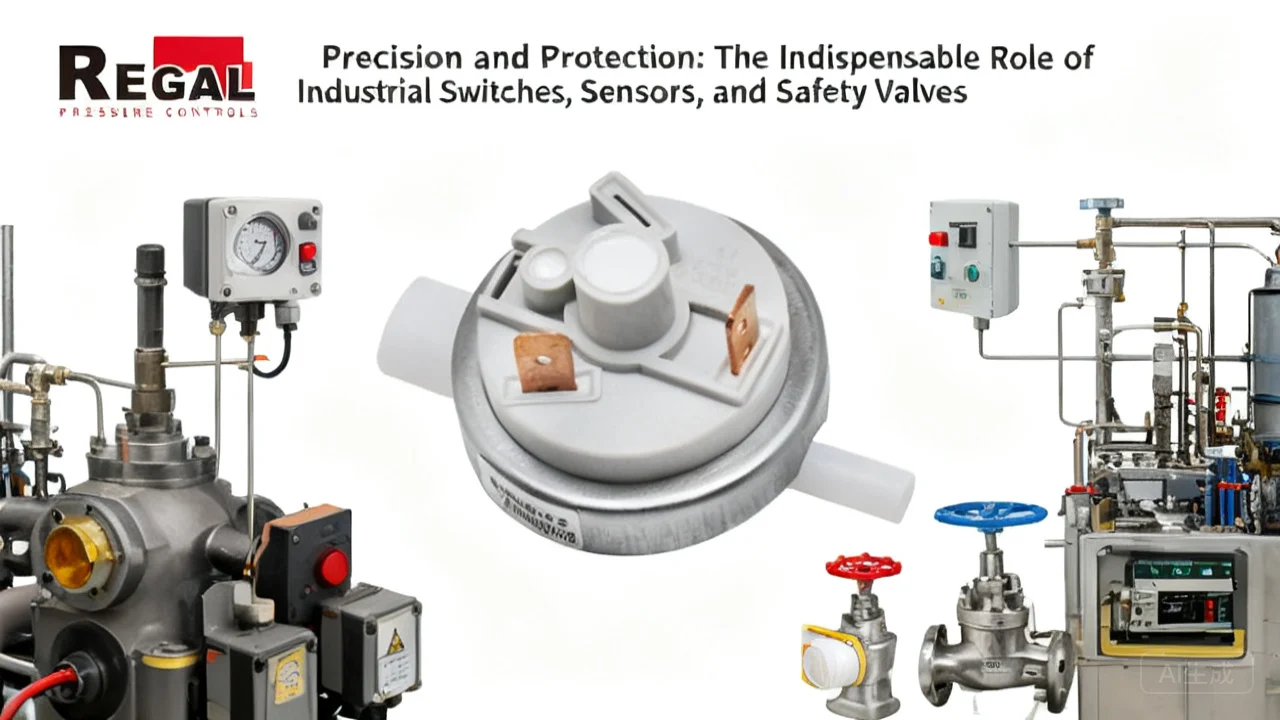
In the complex landscape of modern industrial operations, precision, safety, and efficiency are paramount. Achieving these goals relies heavily on a sophisticated array of control and sensing devices that constantly monitor, regulate, and protect critical systems. From maintaining optimal pressure levels to ensuring safe fluid handling and preventing catastrophic failures, these components are the silent guardians of productivity and personnel well-being. This article delves into the foundational importance of pressure switches, water level and flow sensors, and safety relief valves, exploring their functions, applications, and the vital role they play in various industries.
Pressure Switches – The Foundation of Control
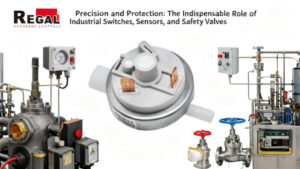
Pressure switches are electromechanical devices designed to respond to a change in pressure. When the pressure in a system reaches a predetermined set point, the switch either opens or closes an electrical circuit, triggering an action. This simple yet crucial mechanism makes them indispensable across countless applications.
Air Pressure Switch Applications
Primarily used in HVAC systems, pneumatic controls, and industrial air compressors, air pressure switches monitor the pressure of gases. They can activate or deactivate fans, pumps, or alarms, ensuring efficient operation and preventing equipment damage from over or under-pressure conditions. In a boiler, for instance, an air pressure switch might monitor the draft, ensuring proper combustion air flow or signaling a blockage.
Water Pressure Switch Applications
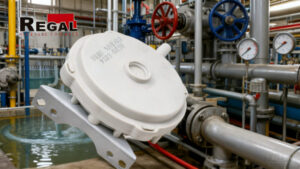
Essential for managing liquid systems, water pressure switches are ubiquitous in pumping stations, irrigation systems, and domestic water supply networks. They maintain desired water pressure by cycling pumps on and off, preventing dry running or excessive pressure buildup. In municipal water treatment plants, they ensure consistent flow and pressure for filtration and distribution processes. The reliability of pressure switches is critical for maintaining process stability, optimizing energy consumption, and providing an initial layer of safety by signaling deviations from normal operating parameters.
Precision in Fluid Management – Level and Flow Sensors
Accurate monitoring of fluid levels and flow rates is fundamental in industries ranging from chemical processing to food and beverage production. Water Level Switches and Sensors, alongside Flow Sensors, provide the necessary data for efficient and safe fluid management.
Water Level Switch and Water Level Sensor Technologies
These devices detect the presence or absence of liquid at a specific point or continuously monitor the liquid level within a tank or vessel.
- 水位スイッチ (e.g., float switches) are simple, cost-effective solutions for high/low level alarms or pump control. They act as on/off triggers.
- 水位センサー offer continuous measurement, providing analog or digital output that can be integrated into SCADA or PLC systems. Technologies include ultrasonic, hydrostatic (pressure-based), and capacitive sensors.
Applications span wastewater treatment plants, industrial storage tanks, agricultural irrigation ponds, and even domestic appliances like washing machines, preventing overflows or dry-run conditions.
Flow Sensor Applications and Importance
Measuring the rate of fluid movement through a pipe or channel, flow sensors are vital for process control, batching, and resource management. They ensure that fluids are dispensed, mixed, or transported at the correct volumes and speeds. From monitoring coolant flow in manufacturing machinery to ensuring accurate chemical dosing in water treatment, flow sensors prevent inefficiencies, product quality issues, and potential equipment damage. Types include turbine, magnetic, vortex, and ultrasonic flow meters, each suited for different fluid types and application demands. Together, level and flow sensors provide a comprehensive picture of fluid dynamics, enabling precise control and preventing costly operational disruptions.
The Ultimate Safety Net – Safety Relief Valves
While sensing and control devices ensure operational efficiency, Safety Relief Valves (SRVs) stand as the ultimate safeguard against catastrophic overpressure events. Designed to automatically open and discharge fluid when the internal pressure of a vessel or system exceeds a predetermined safe limit, SRVs protect equipment, infrastructure, and, most importantly, human lives.
These mechanical devices are non-reclosing, meaning they will not automatically reseat once the pressure drops. This characteristic is crucial in applications where a rapid and significant pressure reduction is required.
Key Importance of Safety Relief Valves:
- Equipment Protection: Prevents rupture or damage to pressure vessels, boilers, pipelines, and other pressurized equipment.
- Personnel Safety: Mitigates the risk of explosions or uncontrolled releases of hazardous materials.
- 規制遵守: Essential for meeting stringent safety standards and regulations in industries like oil and gas, chemical processing, power generation, and pharmaceutical manufacturing.
The proper selection, sizing, installation, and regular maintenance of safety relief valves are non-negotiable. They are the last line of defense, ensuring that even in the event of control system failure or process upset, an overpressure scenario does not escalate into a disaster.
The Critical Role of Quality Parts
The longevity, reliability, and performance of pressure switches, sensors, and safety relief valves are intrinsically linked to the quality of their constituent parts. In demanding industrial environments, components are subjected to extreme temperatures, pressures, corrosive media, and continuous operation.
Using genuine, high-quality replacement parts for maintenance and repairs is not merely a recommendation; it is an operational imperative. Substandard parts can lead to:
- Premature Failure: Compromising the integrity of the entire system.
- Inaccurate Readings: Leading to inefficient processes or unsafe conditions.
- Increased Downtime: Resulting in significant financial losses.
- Safety Hazards: Particularly critical for safety relief valves where component failure can have devastating consequences.
Investing in certified parts from reputable manufacturers ensures that the devices continue to perform to their specifications, maintaining system integrity and extending the operational lifespan of valuable equipment.
結論
The seamless integration of pressure switches, water level and flow sensors, and safety relief valves forms the backbone of modern industrial control and safety systems. These devices, often operating silently in the background, are fundamental to achieving operational excellence, ensuring regulatory compliance, and safeguarding both assets and personnel. For any industrial enterprise aiming for efficiency, reliability, and an unwavering commitment to safety, understanding and meticulously managing these critical components – from initial selection to ongoing maintenance with quality parts – is not just good practice; it is essential for sustained success.