In the intricate world of industrial operations, maintaining precise control over various parameters is not merely a best practice—it’s a fundamental requirement for safety, efficiency, and product quality. From manufacturing plants to water treatment facilities, the accurate monitoring and regulation of pressure, liquid levels, and flow rates are critical. This article delves into the indispensable roles of pressure switches, water level switches and sensors, flow sensors, and safety relief valves, highlighting their applications and the importance of selecting high-quality components.
Pressure Switches: The Guardians of System Integrity
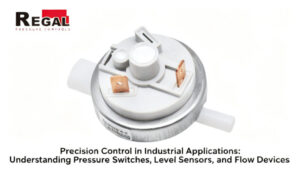
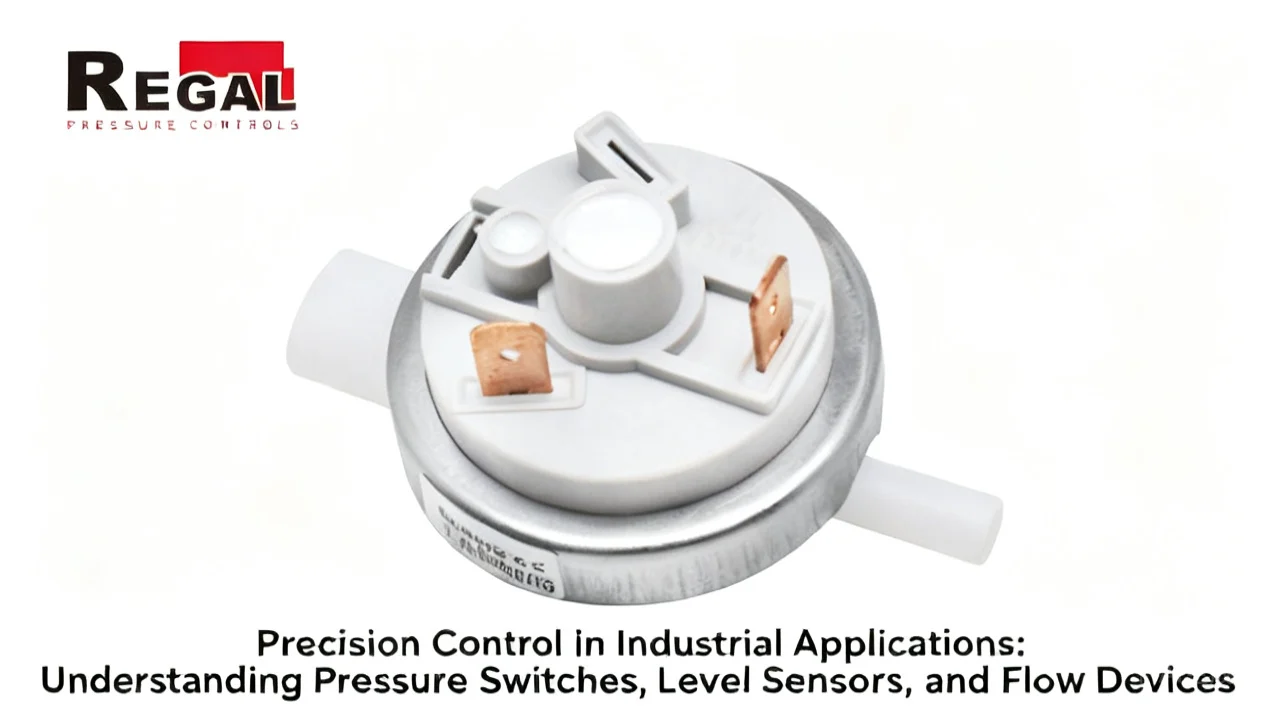
Pressure switches are electromechanical devices designed to respond to a change in pressure. When the pressure in a system reaches a predetermined set point, the switch’s electrical contacts either open or close, triggering an action such as starting a pump, shutting down a system, or activating an alarm. Their simplicity, reliability, and cost-effectiveness make them ubiquitous in virtually every industry.
Air Pressure Switches: Essential for Pneumatic Systems
Air pressure switches are vital for systems utilizing compressed air. They are commonly found in HVAC systems to monitor duct pressure, in pneumatic machinery to ensure adequate operating pressure, and with industrial compressors to regulate tank pressure. Accurate air pressure control prevents equipment damage, optimizes energy consumption, and ensures consistent performance of pneumatic tools and actuators.
Water Pressure Switches: Regulating Fluid Dynamics
Water pressure switches serve a similar function but are designed for liquid media. They are crucial in water pumping systems, irrigation networks, and industrial water treatment plants. By maintaining pressure within specified limits, they protect pumps from dry-running, prevent pipe bursts from overpressure, and ensure a consistent supply in critical processes. Considerations for selecting water pressure switches include media compatibility, operating temperature, and the required set point and hysteresis.
Water Level Management: Sensors and Switches for Critical Operations
Managing liquid levels in tanks, sumps, and vessels is paramount for preventing overflows, ensuring adequate supply, and protecting pumps. Both water level switches and sensors play distinct but equally important roles.
Water Level Switches: Simple and Reliable On/Off Control
Water level switches provide a simple, binary indication of whether a liquid has reached a specific point. Typically employing float mechanisms or conductivity probes, they are ideal for applications requiring basic fill or drain control, such as sump pumps, wastewater management, and domestic water tanks. Their robust design and straightforward operation make them a go-to solution for many industrial and commercial applications.
Water Level Sensors: Continuous Monitoring for Advanced Control
For applications demanding continuous, real-time data on liquid levels, water level sensors are the preferred choice. These sensors can utilize various technologies, including ultrasonic, hydrostatic (pressure-based), radar, and capacitive methods, each suited for different media and environmental conditions. They provide an analog or digital output proportional to the liquid level, enabling precise control, inventory management, and integration into sophisticated SCADA or DCS systems in industries like chemical processing, power generation, and food & beverage.
Flow Sensors: Ensuring Consistent Material Movement
Flow sensors, or flow meters, are instrumental in measuring the rate at which a fluid (liquid or gas) moves through a pipe or conduit. Accurate flow measurement is critical for process control, quality assurance, billing, and safety across numerous sectors.
Different types of flow sensors are available, each with its own principle of operation:
- パドルホイールセンサー: Cost-effective for clean liquids, using a rotating paddle to measure flow.
- Thermal Mass Flow Sensors: Excellent for gas measurement, relying on heat transfer to determine flow rate.
- Electromagnetic Flow Meters: Ideal for conductive liquids, offering high accuracy with no moving parts.
- 超音波流量計: Non-invasive, suitable for a wide range of fluids, including those with suspended solids.
Applications range from monitoring coolant flow in machinery to precise chemical dosing in pharmaceutical production and ensuring consistent material transfer in manufacturing lines.
安全弁:最後の防衛線
While switches and sensors provide control, safety relief valves (SRVs) are passive but critical safety devices designed to protect pressure vessels, piping systems, and other equipment from overpressure. When the system pressure exceeds a predetermined set point, the valve automatically opens, relieving the excess pressure and preventing catastrophic failure, equipment damage, and potential harm to personnel. After the pressure returns to a safe level, the valve recloses.
Proper selection, sizing, installation, and regular maintenance of SRVs are non-negotiable. They are the ultimate safety mechanism in boiler systems, chemical reactors, oil and gas pipelines, and numerous other high-pressure industrial environments.
The Critical Role of Quality Parts and Components
The reliability and longevity of any industrial system are only as good as the sum of its parts. For pressure switches, level sensors, flow sensors, and safety relief valves, using high-quality components is paramount. This includes durable housing materials, precision-machined internal parts, robust electrical contacts, and chemical-resistant seals and diaphragms. Investing in high-grade parts reduces downtime, extends equipment lifespan, and ensures consistent, accurate performance, ultimately contributing to a lower total cost of ownership and enhanced operational safety.
Integration and Future Outlook
As industrial automation continues to evolve, these essential components are increasingly integrated into smarter, more interconnected systems. The advent of Industry 4.0 and the Industrial Internet of Things (IIoT) means that data from pressure, level, and flow devices can be collected, analyzed, and leveraged for predictive maintenance, remote monitoring, and optimizing entire plant operations. This ongoing evolution underscores the need for robust, reliable, and intelligent sensing and control solutions.
結論
Pressure switches, water level switches and sensors, flow sensors, and safety relief valves are the unsung heroes of industrial control. Their precise operation is fundamental to maintaining operational efficiency, ensuring product quality, and, most importantly, safeguarding personnel and equipment. For any industrial enterprise, understanding these technologies and committing to the selection and maintenance of high-quality components is not just an option—it’s a strategic imperative for long-term success and safety.