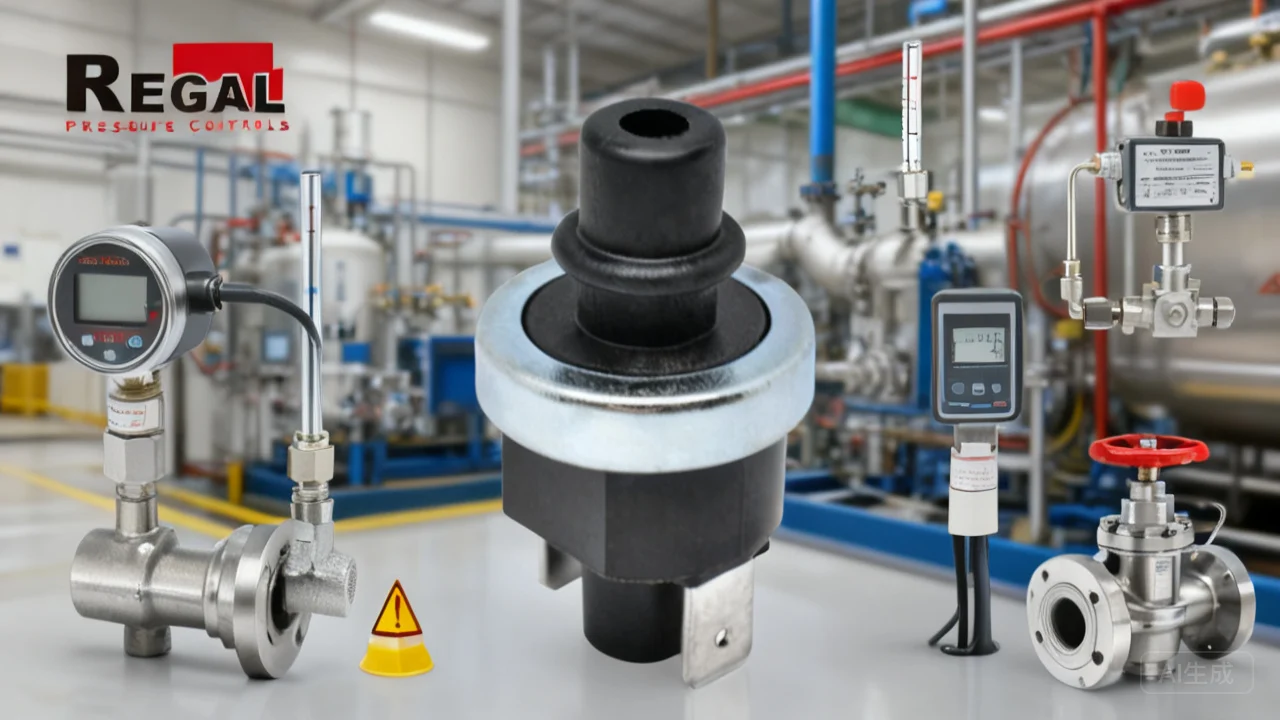
In the complex ecosystems of modern industrial operations, precision, reliability, and safety are not mere aspirations but foundational requirements. The seamless functioning of machinery, the integrity of processes, and the protection of personnel and assets hinge upon a sophisticated network of sensing and control devices. Among these, pressure switches, water level switches, flow sensors, and safety relief valves stand out as indispensable components, acting as the silent guardians and intelligent operators that ensure systems run optimally and safely.
Pressure Switches: The Sentinels of System Integrity
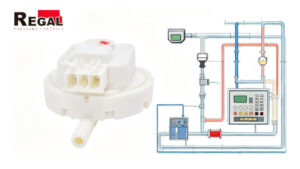
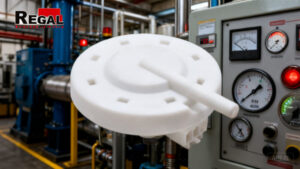
Pressure switches are electromechanical devices designed to monitor and respond to changes in pressure within a system. When the pressure reaches a predetermined set point, the switch activates, either opening or closing an electrical contact to trigger an action. Their applications are vast and varied:
- 空気圧スイッチ: Crucial in HVAC systems, pneumatic controls, and air compressor management, they ensure optimal air pressure for efficient operation and prevent over-pressurization that could damage equipment. From monitoring filter blockage to controlling fan operation, their role is paramount.
- 水圧スイッチ: Essential for pump control in water supply systems, irrigation, and industrial cooling, these switches maintain desired water pressure levels, prevent dry running of pumps, and protect pipelines from excessive pressure. They are vital in ensuring consistent water flow and preventing system failures.
The ability of pressure switches to provide immediate feedback and control makes them critical for automation, energy efficiency, and preventive maintenance strategies.
Water Level Control: Precision in Fluid Management
Managing fluid levels accurately is vital across countless industries, from wastewater treatment to chemical processing. Both water level switches and water level sensors play distinct yet complementary roles in achieving this precision.
- 水位スイッチ: These devices provide a discrete signal (on/off) when a specific liquid level is reached. They are commonly used for high-level alarms, low-level pump cut-offs, or to initiate filling/draining cycles. Simple, robust, and reliable, they are workhorses in sumps, tanks, and reservoirs.
- 水位センサー: Offering continuous measurement, water level sensors provide a proportional output (e.g., 4-20mA, 0-10V) that indicates the exact fluid level. Technologies range from ultrasonic and radar to hydrostatic and capacitive. These sensors are invaluable for complex process control, inventory management, and applications requiring precise, real-time level data for optimization and historical analysis.
Together, these devices prevent costly overflows, protect pumps from cavitation, and ensure consistent material availability in process lines.
Flow Sensors: Gauging the Pulse of Your Process
Understanding and controlling the flow rate of liquids and gases is fundamental to process efficiency, product quality, and resource management. Flow sensors are engineered to measure the rate at which a fluid moves through a pipe or conduit, providing critical data for a multitude of applications.
Whether monitoring cooling water in a power plant, ensuring accurate chemical dosing, or verifying adequate lubrication flow in machinery, flow sensors offer:
- Process Optimization: Ensuring that materials are delivered at the correct rate for chemical reactions, mixing, or heating/cooling processes.
- Resource Management: Accurately tracking consumption of water, fuel, or other valuable fluids.
- Safety & Quality Control: Detecting blockages, leaks, or abnormal flow conditions that could compromise safety or product integrity.
From paddle wheel and turbine sensors to electromagnetic and ultrasonic varieties, the selection of the right flow sensor depends on the fluid properties, required accuracy, and environmental conditions.
安全弁:最後の防衛線
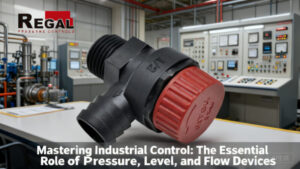
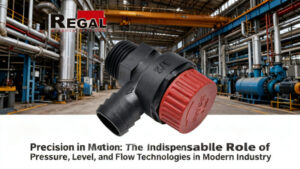
While sensors and switches manage day-to-day operations, safety relief valves (SRVs) are the ultimate guardians against catastrophic overpressure events. Designed to automatically open and discharge fluid when the system pressure exceeds a predetermined set point, they prevent equipment damage, system failure, and potential harm to personnel.
Commonly found in boilers, pressure vessels, pipelines, and chemical reactors, SRVs are:
- Critical for Compliance: Adhering to stringent safety regulations and industry standards (e.g., ASME Boiler and Pressure Vessel Code).
- Preventative Measures: Dissipating excess pressure caused by thermal expansion, pump failures, external fires, or control system malfunctions.
- Non-Negotiable Components: Their proper selection, installation, and regular maintenance are paramount for ensuring a safe operating environment.
Investing in high-quality, properly sized, and regularly tested safety relief valves is not just good practice; it’s a legal and ethical imperative.
The Importance of Quality Parts and Integrated Solutions
The efficacy and longevity of any industrial control system are only as good as the sum of its parts. Utilizing high-quality components – be it the sensing element in a water level sensor, the diaphragm in a pressure switch, or the spring in a safety relief valve – is crucial. Reliable 部品 ensure:
- 耐久性: Withstanding harsh industrial environments.
- Accuracy: Providing consistent and precise measurements or activation.
- Longevity: Reducing maintenance frequency and replacement costs.
- System Uptime: Minimizing unexpected shutdowns and production losses.
In today’s interconnected industrial landscape, integrating these disparate sensing and control elements into a cohesive system allows for smarter automation, predictive maintenance, and unparalleled operational control. By strategically deploying advanced pressure, level, and flow sensors alongside robust safety relief valves, industries can achieve new benchmarks in efficiency, reliability, and, most importantly, safety.