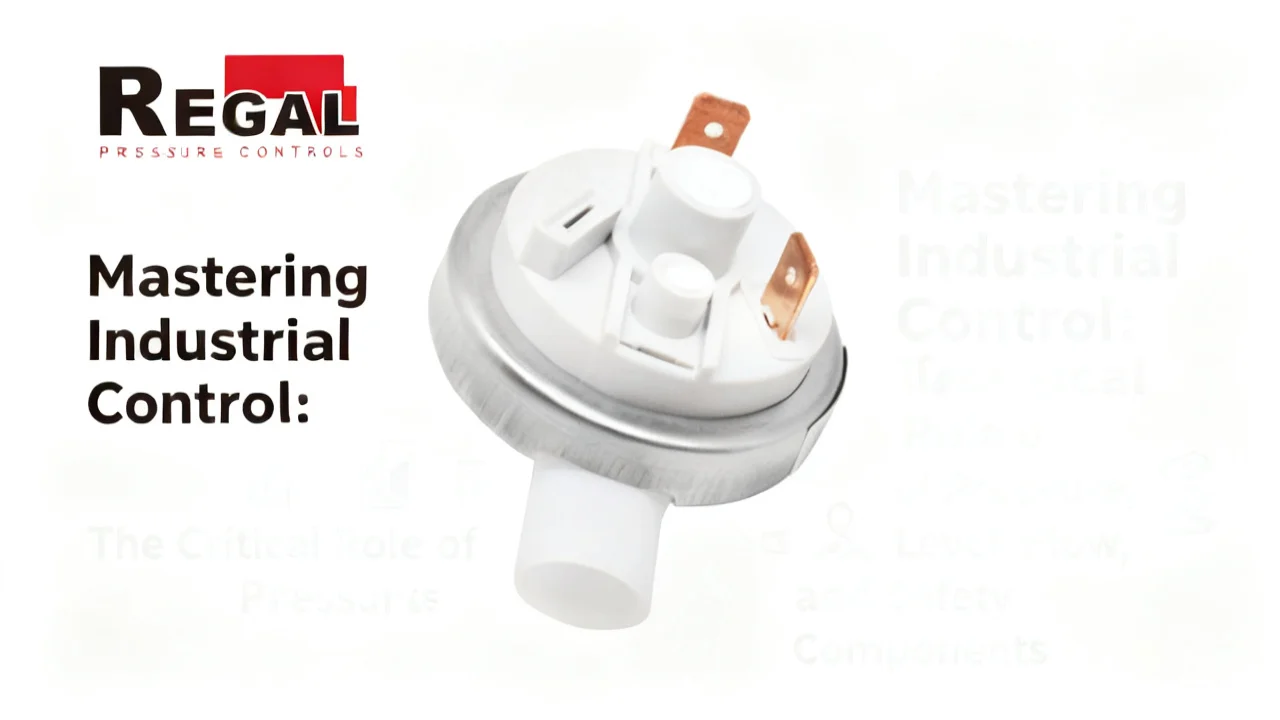
In the complex tapestry of modern industrial operations, a suite of often-unseen components works tirelessly to ensure efficiency, precision, and, most critically, safety. From manufacturing plants to water treatment facilities, HVAC systems to chemical processing, devices like pressure switches, water level sensors, flow sensors, and safety relief valves are the unsung heroes, providing vital data and control mechanisms that prevent failures, optimize performance, and protect assets and personnel.
The Ubiquity of Pressure Switches: Guardians of System Integrity
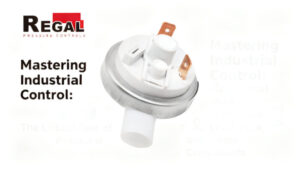
Pressure switches are fundamental components in virtually every industry that relies on fluid or gas dynamics. Their primary function is straightforward yet indispensable: to monitor the pressure within a system and trigger an action when a predetermined set point is reached. This action could be starting or stopping a pump, activating an alarm, or shutting down a system to prevent damage.
空気圧スイッチ
Air pressure switches are crucial in pneumatic systems, air compressors, HVAC units, and vacuum systems. They ensure compressors maintain optimal pressure, prevent over-pressurization in air lines, and manage airflow in ventilation systems. For instance, in an industrial oven, an air pressure switch might confirm adequate airflow for combustion, shutting down the burner if flow is insufficient to prevent dangerous gas buildup.
水圧スイッチ
Water pressure switches are vital for managing liquid systems, found in everything from residential well pumps to large-scale industrial water distribution networks. They regulate pump operation, ensuring consistent water supply and preventing pumps from running dry or operating under excessive load. In fire suppression systems, they are critical for maintaining the required pressure, ready to activate sprinklers when needed.
Their importance extends beyond simple on/off control; they are integral to automation, protecting expensive machinery from pressure-related stresses and ensuring consistent process parameters.
Mastering Fluid Levels: Water Level Switches & Sensors
Managing fluid levels is a critical aspect of many industrial processes. Whether it’s preventing overflows, ensuring minimum levels for pump protection, or maintaining precise volumes for chemical reactions, water level switches and sensors provide the necessary intelligence.
水位スイッチ
These devices typically provide a discrete output (on/off) when a specific liquid level is reached. Common types include float switches, which mechanically activate based on buoyancy, and conductive probes, which detect the presence of liquid between electrodes. Applications range from sump pump control to high-level alarms in storage tanks, preventing costly spills and environmental contamination.
水位センサー
More sophisticated than simple switches, water level sensors provide continuous measurement of liquid levels. Technologies like ultrasonic, hydrostatic (pressure-based), and capacitive sensors offer varying degrees of precision and are suitable for different applications, from monitoring reservoir levels to managing chemical inventories. These sensors enable predictive maintenance, optimize dosing, and provide real-time data for SCADA systems, leading to more efficient resource management and process control.
The Pulse of the System: Flow Sensors
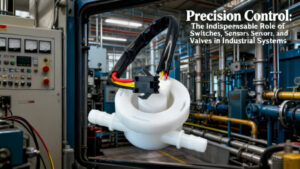
Understanding and controlling the movement of fluids is paramount in many industries. Flow sensors are designed to measure the rate at which a fluid (liquid or gas) moves through a pipe or channel, providing critical data for process control, quality assurance, and safety.
Various types of flow sensors exist, including turbine flowmeters, magnetic flowmeters, ultrasonic flowmeters, and thermal mass flowmeters, each suited for specific fluid types and application requirements. They are deployed in:
- プロセス制御: Ensuring precise ingredient mixing in food and beverage or chemical industries.
- 漏水検知: Monitoring pipelines for anomalous flow rates that could indicate a leak.
- HVACシステム: Optimizing chiller and boiler efficiency by monitoring coolant or steam flow.
- Water Management: Measuring consumption, distribution, and wastewater treatment volumes.
Accurate flow measurement is essential for maintaining product quality, optimizing energy consumption, and ensuring compliance with regulatory standards.
The Last Line of Defense: Safety Relief Valves
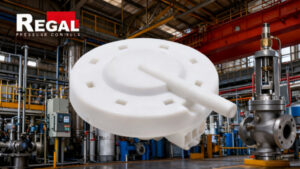
While pressure switches act as primary controls, safety relief valves (SRVs) are the ultimate guardians against catastrophic over-pressurization. They are passive mechanical devices designed to automatically release excess pressure from a system when a predetermined set point is exceeded, thereby protecting pressure vessels, boilers, pipelines, and other equipment from rupture or explosion.
Unlike control valves, SRVs are purely safety devices, engineered to open rapidly and discharge fluid until the pressure returns to a safe level, then reclose. They are mandated by numerous safety standards and regulations across industries, including oil and gas, chemical processing, power generation, and pharmaceuticals. The correct selection, sizing, and maintenance of safety relief valves are non-negotiable for ensuring the integrity of high-pressure systems and the safety of personnel.
The Synergy of Components and the Importance of Quality Parts
These individual components rarely operate in isolation. Instead, they form integrated systems, with pressure switches activating pumps based on level sensor readings, or flow sensors providing data that informs the operation of a safety relief valve sequence. The reliability of the entire system hinges on the quality and compatibility of each individual part.
Choosing high-quality, durable, and precisely engineered parts is paramount. This includes not only the primary sensors and switches but also the connectors, housings, seals, and other ancillary components. Investing in robust, industry-certified parts ensures:
- Longevity: Reducing downtime and replacement costs.
- Accuracy: Maintaining precise control and measurement.
- Reliability: Ensuring consistent performance in critical applications.
- Safety: Providing dependable protection against failures.
From the precise response of an Air Pressure Switch in a pneumatic tool to the unwavering integrity of a Safety Relief Valve protecting a chemical reactor, these components are the bedrock of modern industrial operations. Understanding their function, selecting the right technology, and ensuring the quality of every part are crucial steps towards building resilient, efficient, and supremely safe industrial environments.