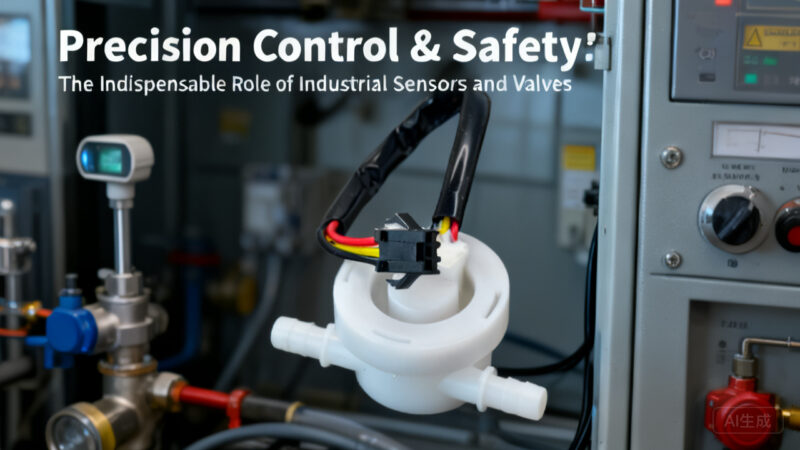
In the intricate world of industrial operations, precision, safety, and efficiency are paramount. Achieving these goals hinges on the reliable performance of a suite of essential components that monitor, control, and protect critical processes. From ensuring optimal fluid dynamics to preventing catastrophic failures, devices like pressure switches, water level sensors, flow sensors, and safety relief valves are not just accessories but foundational elements of modern industrial infrastructure. This article delves into the crucial functions and applications of these vital components, highlighting their role in enhancing operational integrity across diverse sectors.
압력 스위치: 시스템 무결성의 수호자
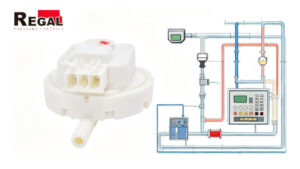
Pressure switches are electromechanical devices designed to monitor pressure levels within a system and activate or deactivate an electrical circuit when a predefined pressure threshold is reached. Their simplicity belies their critical importance in automation and safety.
공기압 스위치
Air pressure switches are ubiquitous in systems utilizing compressed air. They are vital for:
- 냉난방 시스템: Monitoring duct pressure to ensure proper airflow and filter status.
- Pneumatic Control: Activating compressors when air pressure drops below a set point or shutting them off when pressure is too high, preventing over-pressurization.
- Industrial Machinery: Ensuring safe operating pressures in tools and equipment powered by compressed air.
Their ability to provide immediate feedback on air pressure status makes them indispensable for maintaining system efficiency and preventing damage.
수압 스위치
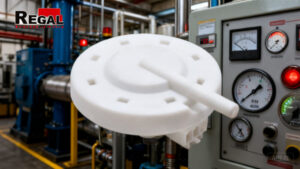
Similarly, water pressure switches play a pivotal role in fluid management systems. Key applications include:
- Pump Control: Automatically starting or stopping water pumps in irrigation systems, residential water supply, or industrial cooling systems to maintain desired pressure.
- 정수처리장: Monitoring pressure in filtration systems and pipelines to detect blockages or leaks.
- Fire Suppression Systems: Ensuring adequate water pressure is available for sprinklers and hydrants.
These switches are crucial for preventing pump dry-running, managing water resources efficiently, and safeguarding equipment.
Water Level Switches & Sensors: Mastering Fluid Levels
Managing liquid levels in tanks, sumps, and vessels is critical for preventing overflows, ensuring continuous supply, and protecting pumps from dry-running. Water level switches and sensors provide the necessary intelligence.
수위 스위치
Water level switches typically provide a point-level detection, signaling when a liquid reaches a specific high or low point. Common types include:
- 플로트 스위치: Mechanical devices that use a buoyant float to actuate a switch as the liquid level rises or falls. Ideal for simple on/off pump control.
- 전도도 스위치: Utilize electrodes to detect the presence or absence of a conductive liquid, often used in boilers or chemical tanks.
They are robust and reliable for basic level control tasks.
수위 센서
Water level sensors, in contrast, offer continuous measurement of liquid levels, providing more granular data for advanced process control. Technologies include:
- 초음파 센서: Emit sound waves that bounce off the liquid surface, measuring the time of flight to determine distance and thus level. Non-contact and highly accurate.
- Hydrostatic Pressure Sensors: Measure the pressure exerted by the liquid column, which is directly proportional to its depth. Submersible and robust for various liquids.
These sensors are vital for inventory management, process automation, and sophisticated monitoring systems.
유량 센서: 유체 역학의 맥박
Understanding and controlling the flow rate of liquids and gases is fundamental in many industrial processes. Flow sensors provide the data needed to optimize performance, ensure quality, and detect anomalies.
Applications span a wide range:
- 공정 제어: Measuring chemical reagents, cooling water, or fuel delivery rates in manufacturing.
- 냉난방 시스템: Monitoring chiller and boiler water flow for efficiency.
- Batching Operations: Ensuring precise quantities of liquids are dispensed.
- 누출 감지: Identifying abnormal flow patterns that may indicate a leak or blockage.
Different types, such as turbine, magnetic, vortex, and ultrasonic flow sensors, are chosen based on the fluid type, required accuracy, and environmental conditions, each offering unique advantages for specific applications.
Safety Relief Valves: The Ultimate Safeguard
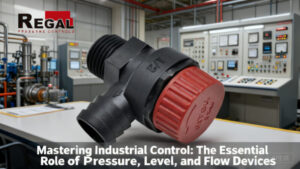
Perhaps the most critical safety components in any pressurized system are safety relief valves. These mechanical devices are designed to automatically open and discharge fluid when the pressure inside a vessel or system exceeds a predetermined safe limit, thereby preventing catastrophic equipment failure, explosions, and injury to personnel.
Their importance cannot be overstated in industries such as:
- 화학 공정: Protecting reactors and pipelines from overpressure due to exothermic reactions or pump failures.
- Oil & Gas: Safeguarding storage tanks, separators, and pipelines.
- Power Generation: Essential for boilers, steam lines, and turbines.
- Refrigeration: Preventing excessive pressure buildup in compressors and condensers.
Safety relief valves are passive, fail-safe devices that operate without external power, making them the last line of defense against over-pressurization, ensuring compliance with stringent safety regulations and protecting valuable assets and human lives.
The Synergy of Quality Parts: Ensuring System Longevity
The effectiveness of any industrial control or safety system is ultimately determined by the quality and reliability of its individual components, or “parts.” Whether it’s the diaphragm in a pressure switch, the electrode in a level sensor, or the spring in a safety relief valve, each part contributes to the overall integrity and performance of the larger system. Investing in high-quality, durable parts from reputable manufacturers ensures:
- Extended Operational Life: Reducing the frequency of replacements and maintenance.
- Consistent Performance: Maintaining accuracy and reliability over time.
- 안전성 강화: Minimizing the risk of component failure leading to hazardous situations.
- Regulatory Compliance: Meeting industry standards and certifications.
The seamless integration and dependable operation of these specialized parts are essential for maintaining continuous, safe, and efficient industrial processes.
Conclusion: Foundations of Industrial Excellence
Pressure switches, water level switches and sensors, flow sensors, and safety relief valves are far more than mere components; they are the vigilant sentinels and silent orchestrators of industrial operations. By providing precise control, critical monitoring, and indispensable safety mechanisms, these devices enable industries to operate efficiently, protect valuable assets, ensure environmental compliance, and, most importantly, safeguard human lives. Understanding their functions and investing in high-quality parts is fundamental to building robust, reliable, and future-proof industrial systems.