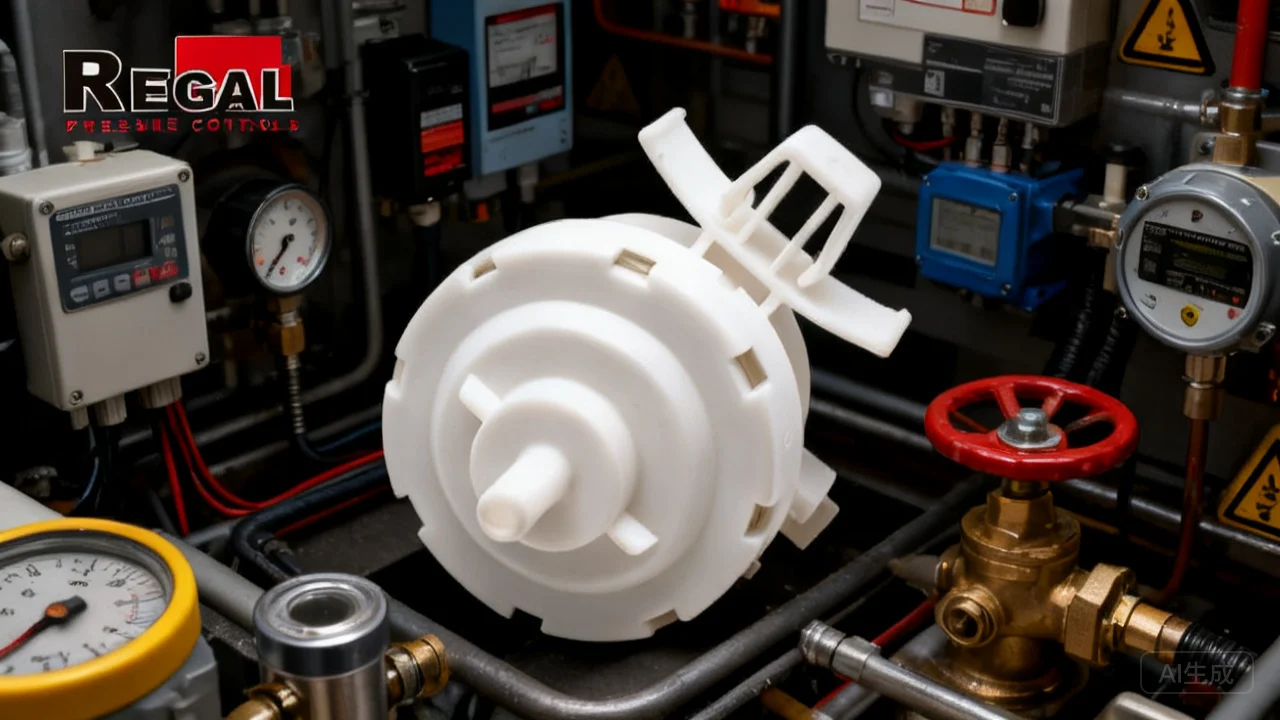
Mastering Industrial Control: The Indispensable Role of Pressure Switches, Level Sensors, and Safety Valves

0217854017667166096258fd30acc9f16bb726aaebf34a725ab57 0

In the complex world of industrial operations, precision, safety, and efficiency are paramount. Achieving these objectives hinges on the reliable performance of a suite of critical components, including pressure switches, water level switches and sensors, flow sensors, and safety relief valves. These devices are not merely accessories; they are the vigilant guardians and silent orchestrators behind seamless process control, asset protection, and operational integrity across diverse sectors from manufacturing and HVAC to water treatment and chemical processing.

Pressure switches are fundamental control devices designed to monitor and respond to changes in fluid or gas pressure within a system. When pressure reaches a predetermined set point, the switch actuates, opening or closing an electrical circuit to trigger an alarm, stop a pump, start a compressor, or initiate another control action. Their simplicity belies their critical role in preventing equipment damage, optimizing energy consumption, and ensuring the safety of personnel and processes.

공기압 스위치

Air pressure switches are commonly found in pneumatic systems, HVAC units, air compressors, and vacuum systems. They are essential for maintaining correct air pressure levels, which is crucial for the efficient operation of pneumatic tools, dust collection systems, and building automation. For instance, in an HVAC system, an air pressure switch might detect a clogged filter by sensing a pressure drop, triggering a maintenance alert. In compressor systems, they regulate the cut-in and cut-out pressures, preventing over-pressurization and ensuring consistent air supply.

수압 스위치

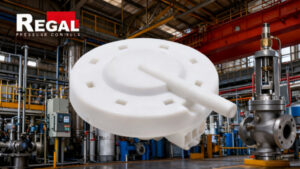
Conversely, water pressure switches are vital in applications involving liquid systems, such as water pumps, irrigation systems, and industrial washing equipment. They ensure that water pressure remains within safe and operational limits. A common application is in well pumps, where the switch turns the pump on when water pressure drops below a set point (indicating demand) and turns it off when the pressure reaches the desired level, protecting the pump from dry running and preventing system overpressure. In industrial settings, they safeguard pipelines and machinery from damage due to pressure fluctuations.

Precision Monitoring: Water Level Switches & Sensors

Managing liquid levels is critical in numerous industrial processes, from chemical mixing and wastewater treatment to boiler operations and flood prevention. Water level switches and sensors provide the necessary intelligence to automate these tasks, ensuring optimal levels are maintained, preventing overflows, and protecting pumps and other equipment.

수위 스위치

Water level switches typically provide a simple ON/OFF signal when a specific liquid level is reached. These can be float switches, conductivity probes, or optical sensors. They are ideal for applications requiring basic level control, such as automatically filling or emptying tanks, activating alarms for high or low levels, or controlling pump operations to prevent dry running or overflow conditions. Their reliability and straightforward operation make them a go-to choice for many basic level control tasks.

수위 센서

More sophisticated water level sensors offer continuous measurement of liquid levels, providing an analog or digital output that corresponds to the exact level. Technologies include ultrasonic, radar, hydrostatic, and guided wave radar sensors. These sensors are crucial for applications requiring precise level monitoring, inventory management in large storage tanks, or continuous feedback for complex process control systems. They enable predictive maintenance, optimize resource utilization, and provide real-time data for advanced automation.

Optimizing Flow: Understanding Flow Sensors

Flow sensors, also known as flow meters, are instrumental in measuring the rate of fluid movement (liquid or gas) through a pipe or conduit. Accurate flow measurement is essential for process control, quality assurance, billing, and regulatory compliance across industries.

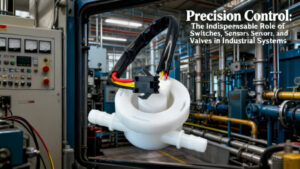
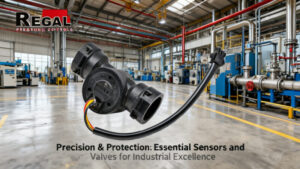
There is a wide array of flow sensor technologies, each suited for different applications: paddle wheel sensors for cost-effective water flow monitoring, magnetic flow meters for conductive liquids, ultrasonic flow meters for non-intrusive measurement, and thermal mass flow meters for gases. From ensuring the correct ingredient ratios in a chemical batch to monitoring coolant flow in a data center or detecting leaks in a pipeline, flow sensors provide the critical data needed to optimize processes, detect anomalies, and ensure operational efficiency.

Non-Negotiable Safety: Safety Relief Valves

Perhaps no component underscores the importance of industrial safety more profoundly than the safety relief valve (SRV). These mechanical devices are designed to automatically open and discharge excess pressure from a system (like a pressure vessel, boiler, or pipeline) when the internal pressure exceeds a predetermined set point. Once the pressure returns to a safe level, the valve recloses. Their sole purpose is to prevent catastrophic failure, explosions, or damage to equipment and injury to personnel due due to over-pressurization.

SRVs are mandatory in virtually every pressurized system, from small water heaters to large industrial boilers and chemical reactors. They are passive safety devices, meaning they operate without external power, relying solely on the differential pressure. The proper selection, sizing, installation, and regular inspection of safety relief valves are not just best practices; they are critical regulatory requirements that literally save lives and protect assets.

The Criticality of Quality Parts and Maintenance

The performance, reliability, and longevity of pressure switches, water level switches and sensors, flow sensors, and safety relief valves are directly dependent on the quality of their components and the rigorousness of their manufacturing. Inferior parts can lead to inaccurate readings, premature failure, costly downtime, and, most critically, safety hazards.

Choosing reputable suppliers who adhere to stringent quality control standards and offer robust, durable parts is essential. Furthermore, regular calibration, inspection, and timely replacement of worn-out or faulty components are vital aspects of a comprehensive maintenance strategy. Investing in high-quality parts and proactive maintenance ensures these critical devices continue to perform their protective and control functions effectively, safeguarding your operations and investments.

결론

Pressure switches, water level switches and sensors, flow sensors, and safety relief valves are the unsung heroes of industrial automation and safety. Their collective function ensures that systems operate within defined parameters, processes run efficiently, and personnel and equipment remain safe. Understanding their individual roles and the importance of selecting high-quality, reliable parts is fundamental for any industrial enterprise striving for optimal performance, regulatory compliance, and a secure operational environment. By prioritizing these essential components, industries can build more resilient, efficient, and safer systems for the future.

페이스북
지저귀다
링크드인

지금 무료 견적을 받아보세요!

문의 양식 데모 (#3)