Precision Control: The Unsung Heroes of Industrial Automation – Switches, Sensors, and Valves

0217874753749342d417bd9da6e7dfe27ae15305eaa9a4f2babc1 0

In the intricate world of industrial automation and process control, the seamless operation of machinery and systems hinges on the reliability and precision of fundamental components. While often unseen, devices like pressure switches, water level sensors, flow sensors, and safety relief valves are the unsung heroes, ensuring efficiency, safety, and optimal performance across countless applications. Understanding their critical roles and selecting the right components is paramount for any B2B operation aiming for operational excellence and robust system integrity.

Mastering Pressure: Air and Water Pressure Switches

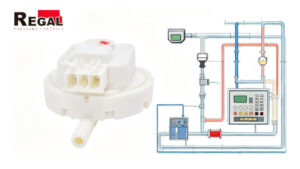
Pressure switches are electromechanical devices designed to monitor and control pressure within a system. They operate by opening or closing an electrical contact when a predetermined pressure threshold is reached. This simple yet crucial function makes them indispensable in a vast array of industrial settings.

공기압 스위치

Air pressure switches are vital for systems relying on compressed air. They are commonly found in:

  • 냉난방 시스템: Monitoring duct pressure, fan operation, and filter status.
  • Compressors: Controlling compressor cycling to maintain optimal tank pressure and prevent over-pressurization.
  • 공압 시스템: Ensuring correct operating pressures for tools, actuators, and machinery.
  • Industrial Burners: Verifying adequate air flow for safe combustion.

Their primary function is to protect equipment from damage due due to abnormal pressure and to automate processes based on air pressure conditions, contributing significantly to energy efficiency and operational safety.

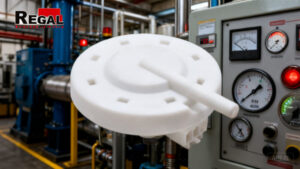
수압 스위치

Similar in principle to air pressure switches, water pressure switches are engineered to withstand liquid environments. Their applications are widespread in:

  • 펌핑 시스템: Activating or deactivating pumps to maintain desired water pressure in water supply systems, irrigation, and booster pumps.
  • 정수처리장: Monitoring pressure in filtration systems and pipelines.
  • Industrial Cooling Systems: Ensuring adequate water flow and pressure for heat exchange.
  • Fire Sprinkler Systems: Detecting pressure drops that indicate system activation.

By automating pump control and providing critical feedback on water pressure, these switches prevent system failures, conserve water, and ensure reliable fluid delivery.

Guardian of Levels: Water Level Switches and Sensors

Managing liquid levels is a critical task in many industries, from chemical processing to municipal water management. Water level switches and sensors provide precise, real-time data or control signals to maintain desired levels, preventing costly overflows or damaging dry runs.

수위 스위치

Water level switches typically provide a binary (ON/OFF) signal once a specific liquid level is reached. Common types include:

  • 플로트 스위치: Utilizing a buoyant float to actuate a switch as the liquid level rises or falls. Ideal for simple tank control.
  • 전도도 스위치: Sensing the presence or absence of conductive liquids between two probes.

They are widely used in sump pumps, boiler feed tanks, cooling towers, and wastewater treatment to automate pump operation and alarm systems.

수위 센서

Water level sensors offer continuous measurement of liquid levels, providing analog or digital output that can be integrated into PLCs or control systems. Advanced types include:

  • Ultrasonic Level Sensors: Emitting sound waves and measuring the time it takes for the echo to return, non-contact and highly accurate.
  • Capacitive Level Sensors: Detecting changes in capacitance as the liquid level changes, suitable for various liquids.
  • Hydrostatic Level Sensors: Measuring the pressure exerted by the liquid column to determine depth.

These sensors are crucial for inventory management in storage tanks, precise process control in chemical reactors, and environmental monitoring.

유량 측정: 유량 센서

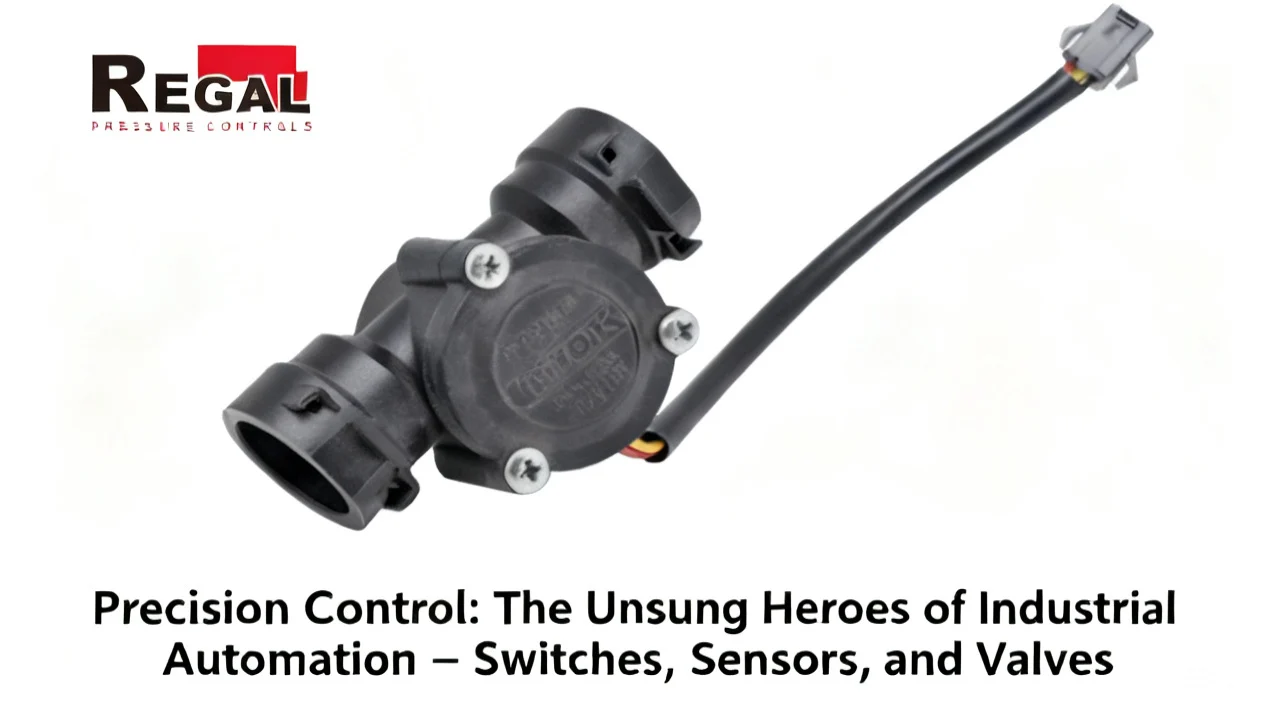
The ability to accurately measure the flow rate of liquids and gases is fundamental to process control, quality assurance, and resource management. Flow sensors provide this vital data, ensuring processes run efficiently and safely.

Different types of flow sensors are employed based on the fluid, flow range, and application requirements:

  • 터빈 유량 센서: Measuring flow based on the rotational speed of a turbine within the flow path.
  • Magnetic Flow Sensors (Magmeters): Ideal for conductive liquids, measuring voltage induced by the fluid’s movement through a magnetic field.
  • 와류 유량 센서: Detecting vortices shed by an obstruction in the flow, suitable for steam, gas, and liquid.
  • 초음파 유량 센서: Non-invasive, measuring flow by sending ultrasonic pulses through the fluid.

Applications range from monitoring coolant flow in machinery, controlling chemical dosing in water treatment, to managing fuel consumption in power generation, all contributing to optimized resource utilization and process integrity.

The Ultimate Protector: Safety Relief Valves

Among all the components ensuring industrial safety, the safety relief valve stands out as a critical guardian against catastrophic failure. These mechanical devices are designed to automatically release excess pressure from a system, protecting pressure vessels, pipelines, and other equipment from over-pressurization.

Operating on a simple yet highly effective principle, safety relief valves open when the system pressure exceeds a predetermined set point, venting the excess fluid (liquid or gas) until the pressure returns to a safe level, then re-seating automatically. They are mandated in almost every pressurized system by regulatory bodies due to their indispensable role in preventing explosions, equipment damage, and injury to personnel. From boilers and chemical reactors to oil and gas pipelines, their presence is non-negotiable for maintaining a safe operating environment.

고품질 부품과 유지보수의 중요성

The effectiveness of all these critical components—pressure switches, level sensors, flow sensors, and safety relief valves—is directly tied to their quality and the integrity of their constituent parts. Using high-quality, durable parts ensures accuracy, longevity, and reliable performance, minimizing downtime and maintenance costs. Regular calibration, inspection, and timely replacement of worn-out parts are essential for maintaining the operational integrity and safety of any industrial system. Investing in premium components and a robust maintenance schedule is not merely an expense; it is a strategic investment in operational stability, safety, and long-term profitability.

Conclusion: Foundations of Operational Excellence

From the precise control offered by air and water pressure switches to the vigilant monitoring of water level sensors, the accurate data provided by flow sensors, and the ultimate protection afforded by safety relief valves, these devices are the bedrock of modern industrial operations. They enable automation, safeguard assets, protect personnel, and optimize processes, allowing businesses to achieve higher levels of efficiency and reliability. For any B2B enterprise, understanding and strategically implementing these essential components is key to building resilient, safe, and high-performing industrial systems that can meet the demands of today’s complex operational environments.

페이스북
지저귀다
링크드인

지금 무료 견적을 받아보세요!

문의 양식 데모 (#3)