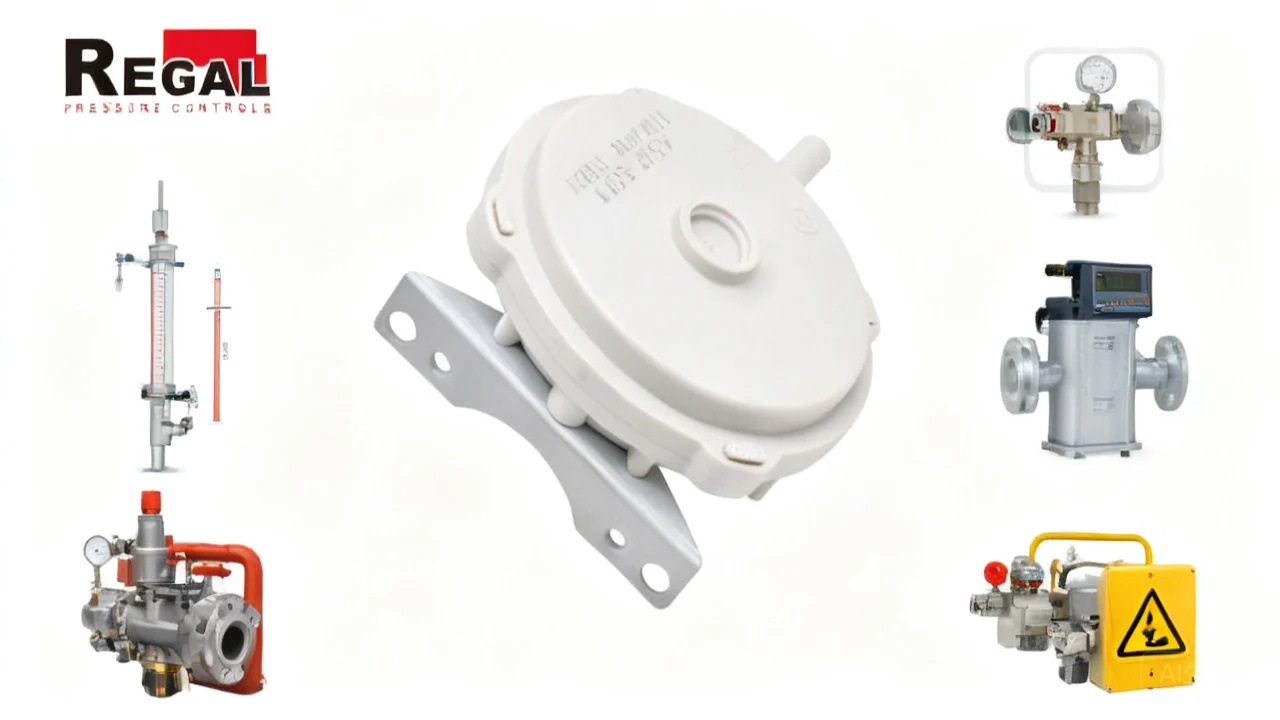
In the intricate world of industrial operations, precision, reliability, and safety are not mere buzzwords; they are fundamental pillars that dictate success, prevent catastrophic failures, and ensure regulatory compliance. Modern industrial systems, from complex manufacturing lines to water treatment plants, rely heavily on a suite of specialized components to monitor, control, and protect their processes. Among these critical devices are pressure switches, water level switches and sensors, flow sensors, and safety relief valves – each playing an indispensable role in maintaining operational integrity.
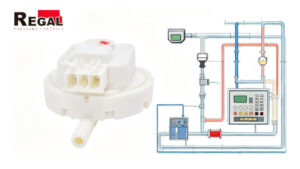
Pressure switches are electromechanical devices designed to respond to a change in fluid pressure. When the pressure reaches a preset level, the switch activates or deactivates an electrical contact, triggering an action. Their applications are vast and varied:
- 공기압 스위치: Found in HVAC systems, pneumatic machinery, air compressors, and dust collection units, these switches monitor air pressure to ensure optimal performance and safety. They can initiate compressor cycles, detect clogged filters, or serve as safety interlocks to prevent equipment operation under hazardous pressure conditions. For instance, in a pneumatic conveying system, an air pressure switch might signal a blockage, preventing motor overload and potential damage.
- 수압 스위치: Essential for maintaining consistent water supply and preventing damage in liquid systems. They are widely used in pump control for wells, irrigation systems, industrial washers, and fire suppression systems. A water pressure switch can automatically turn a pump on when pressure drops below a set point (indicating demand) and turn it off when pressure is restored, preventing pump dry-run or over-pressurization. In critical applications like fire sprinklers, they ensure that adequate water pressure is always available.
The reliability of these switches is paramount, as their failure can lead to inefficient operation, system damage, or even safety hazards.
Maintaining Balance: Water Level Switches and Sensors
Managing fluid levels accurately is crucial in countless industrial processes, from chemical processing to wastewater management. Water level switches and sensors provide the necessary intelligence to prevent overflows, dry-runs, and maintain optimal inventory levels.
- 수위 조절 스위치: These devices offer discrete (on/off) control, typically used to trigger pumps, alarms, or valves when a liquid reaches a specific high or low point. Float switches, conductivity switches, and vibrating fork switches are common types, each suited for different liquid properties and applications. For example, a float switch in a sump pump basin will activate the pump once the water reaches a high level, preventing flooding. In a boiler, a low-level switch is a critical safety device, preventing the heating elements from being exposed without water, which could lead to overheating and catastrophic failure.
- 수위 센서: Unlike switches, sensors provide continuous measurement of liquid levels, offering more granular data for sophisticated control systems. Ultrasonic, hydrostatic, and radar sensors are frequently employed. These sensors deliver real-time data to PLCs (Programmable Logic Controllers) or SCADA (Supervisory Control and Data Acquisition) systems, enabling precise inventory management, automated dosing, and predictive maintenance. In large storage tanks, continuous level monitoring ensures efficient utilization of capacity and prevents costly spills or shortages.
Accurate level detection is vital for process efficiency, preventing material waste, and ensuring environmental compliance.
Monitoring Flow: The Role of Flow Sensors
The controlled movement of fluids is at the heart of many industrial processes. Flow sensors (or flow meters) are instruments designed to measure the rate of fluid flow within a pipe or conduit. This data is critical for quality control, process optimization, and resource management.
- 응용 분야: Flow sensors are indispensable in applications such as chemical dosing, cooling water systems, irrigation, batch processing, and even leak detection. In a chemical plant, precise flow measurement ensures the correct ratio of reactants, directly impacting product quality. In HVAC systems, monitoring the flow of chilled water ensures efficient cooling.
- Types and Importance: Various technologies exist, including turbine flowmeters for high accuracy, magnetic flowmeters for conductive liquids, ultrasonic flowmeters for non-invasive measurement, and thermal mass flowmeters for gases. The selection depends on fluid properties, required accuracy, and operating conditions. Accurate flow data helps optimize pump efficiency, detect blockages or leaks early, and ensure compliance with discharge regulations. Without precise flow measurement, processes can become inefficient, products inconsistent, and operational costs unnecessarily high.
The Last Line of Defense: Safety Relief Valves
While control components aim to maintain normal operating parameters, safety relief valves (SRVs) are the ultimate safeguard against overpressure conditions, which can lead to equipment damage, environmental release, and severe injury or fatality.
- Function: An SRV is an automatic pressure-relieving device actuated by the static pressure upstream of the valve and designed to open proportionally to the increase in pressure over the opening pressure. It’s designed to re-close and prevent further fluid flow once the normal operating pressure has been restored.
- Criticality: These valves are mandated in almost every industrial sector where pressurized systems exist, including boilers, pressure vessels, pipelines, and storage tanks. They protect against scenarios like runaway reactions, external fires, thermal expansion, or control system failures that could cause pressure to exceed safe design limits. Their proper selection, sizing, and regular inspection are not just best practices but often legal requirements under codes like ASME (American Society of Mechanical Engineers) and API (American Petroleum Institute). A properly functioning safety relief valve is literally the difference between a minor incident and a catastrophic explosion or rupture.
The Sum of Their Parts: Why Quality Matters
Each of these components – pressure switches, level sensors, flow sensors, and safety relief valves – are critical “parts” that form the backbone of reliable industrial control and safety systems. The integrity of the entire operation hinges on the quality, accuracy, and durability of these individual devices. Opting for low-quality or ill-suited components can lead to:
- Increased Downtime: Frequent failures necessitate repairs and replacements, halting production.
- Safety Risks: Malfunctioning safety devices expose personnel and assets to danger.
- Operational Inefficiency: Inaccurate measurements or unreliable controls lead to wasted resources, inconsistent product quality, and higher energy consumption.
- Regulatory Non-Compliance: Failure to meet industry standards can result in fines, legal action, and reputational damage.
Therefore, selecting components from reputable manufacturers, ensuring they meet relevant industry standards, and implementing a robust maintenance and calibration schedule are paramount. Investing in high-quality parts is not an expense; it’s an investment in operational continuity, safety, and long-term profitability.
결론
The modern industrial landscape demands unparalleled levels of precision, efficiency, and safety. Pressure switches, water level switches and sensors, flow sensors, and safety relief valves are the unsung heroes working tirelessly behind the scenes to meet these demands. Together, they form an intricate network of control and protection, ensuring that processes run smoothly, resources are managed effectively, and personnel and assets remain safe. Understanding their individual functions and appreciating their collective importance is key to designing, operating, and maintaining robust and resilient industrial systems that are prepared for the challenges of tomorrow.