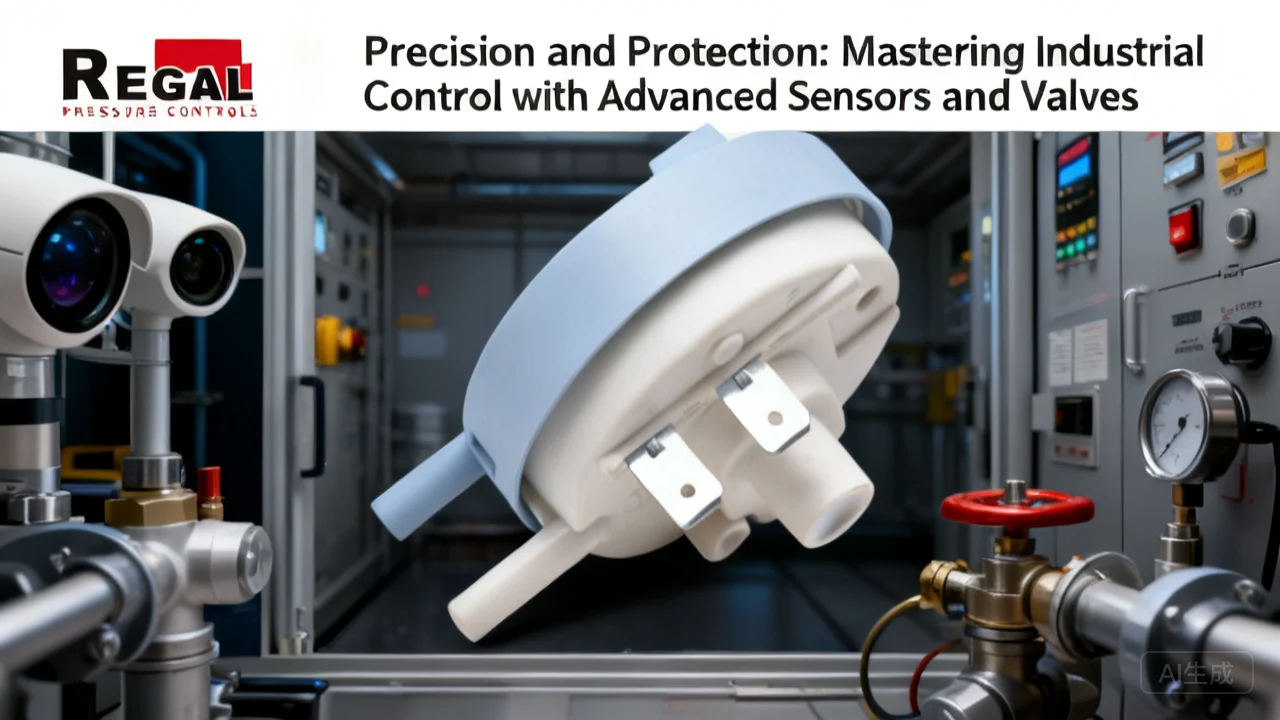
In the complex world of industrial automation, safety, and efficiency, the reliability of critical control components is paramount. From manufacturing plants to water treatment facilities, precise monitoring and instantaneous response are non-negotiable. This article delves into the indispensable roles of pressure switches, level sensors, flow sensors, and safety relief valves—components that collectively form the bedrock of operational integrity and personnel safety across countless industries.
Understanding the nuances of these devices, their applications, and the importance of quality parts is crucial for engineers, facility managers, and procurement specialists aiming to optimize performance, minimize downtime, and ensure compliance with stringent safety standards.
The Foundation: Pressure Switches for Robust Control
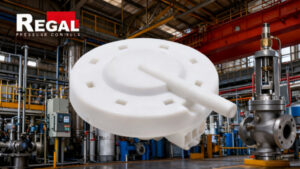
Pressure switches are fundamental electromechanical devices designed to monitor and control pressure within a system. They operate by detecting a change in pressure and activating or deactivating an electrical circuit once a predetermined set point is reached. This simple yet critical function makes them invaluable for a wide array of applications, providing both process control and essential safety interlocks.
Air Pressure Switches: Ensuring Pneumatic Precision
Air pressure switches are vital in pneumatic systems, HVAC applications, and industrial air compressors. They ensure that air pressure remains within safe and operational limits, preventing damage to equipment and maintaining consistent performance. For instance, in an air compressor, an air pressure switch might activate the motor when pressure drops below a minimum threshold and deactivate it once the desired maximum pressure is achieved, optimizing energy use and extending equipment life. In HVAC, they monitor duct pressure to ensure proper airflow and filter conditions.
Water Pressure Switches: Safeguarding Fluid Systems
Similarly, water pressure switches play a pivotal role in systems handling liquids. They are commonly found in pump control applications, irrigation systems, and water treatment plants. A water pressure switch can automatically start a pump when water pressure falls below a certain level (e.g., in a well system) and stop it once adequate pressure is restored. This not only automates fluid delivery but also protects pumps from running dry or experiencing overpressure conditions, thereby preventing costly failures and ensuring continuous operation.
Managing Liquids: Water Level Switches and Sensors
Accurate liquid level management is critical for process control, storage, and safety. Water level switches and water level sensors offer distinct but complementary solutions for monitoring and controlling fluid levels in tanks, sumps, and reservoirs.
Water Level Switches: Simple, Reliable On/Off Control
A water level switch provides a simple, binary output: indicating whether a liquid level is above or below a specific point. These devices are often used for high-level alarms, low-level pump cut-offs, or automatic filling/emptying operations. Float switches, for example, use a buoyant element that moves with the liquid level, actuating an electrical switch. Their simplicity, reliability, and cost-effectiveness make them ideal for applications where a straightforward on/off control is sufficient to prevent overflows or dry-run conditions.
Water Level Sensors: Continuous Monitoring for Advanced Applications
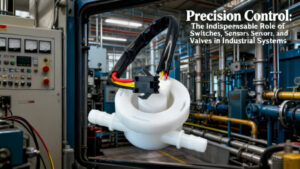
For applications requiring continuous, precise measurement of liquid levels, water level sensors are the go-to solution. Unlike switches, sensors provide an analog or digital output proportional to the liquid level, allowing for real-time monitoring and integration into sophisticated control systems. Technologies range from hydrostatic (pressure-based) and ultrasonic to radar and guided wave radar. These sensors are essential for inventory management in storage tanks, precise dosing in chemical processes, and ensuring optimal water levels in industrial boilers, offering greater data granularity and control flexibility.
유량 모니터링: 유량 센서
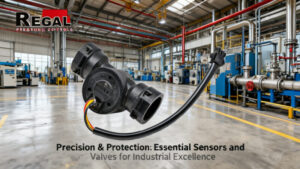
Flow sensors are instrumental in detecting, measuring, and monitoring the movement of fluids (liquids or gases) within a pipeline. Their ability to provide real-time data on flow rates is critical for process optimization, quality control, and safety across diverse industries.
Applications include ensuring adequate coolant flow in machinery, monitoring chemical dosing rates in water treatment, detecting leaks in pipelines, and protecting pumps from cavitation due to insufficient flow. Different types of flow sensors, such as paddle wheel, turbine, electromagnetic, and Coriolis meters, are selected based on the fluid properties, required accuracy, and operating conditions, each offering specific advantages for various industrial challenges.
The Unsung Heroes of Safety: Safety Relief Valves
Perhaps no component is more critical for industrial safety than the safety relief valve (SRV). These mechanical devices are designed to automatically release pressure from a vessel or system when the internal pressure exceeds a predetermined, safe limit. Their primary function is to prevent catastrophic failures, protect equipment from damage, and, most importantly, safeguard personnel.
Safety relief valves are mandated by regulations in nearly every industry dealing with pressurized systems, including oil and gas, chemical processing, power generation, and HVAC. They act as a last line of defense against overpressure scenarios caused by thermal expansion, chemical reactions, equipment malfunction, or external fire. Proper selection, sizing, installation, and regular maintenance of SRVs are non-negotiable for maintaining a safe operating environment and ensuring regulatory compliance.
The Importance of Quality Parts
The reliability of any industrial system is only as strong as its weakest link. For critical control components like pressure switches, level sensors, flow sensors, and safety relief valves, the use of high-quality, genuine parts is paramount. Substandard or counterfeit components can lead to inaccurate readings, premature failures, increased downtime, and, most dangerously, compromised safety systems.
Investing in reputable manufacturers and authentic replacement parts ensures long-term performance, reduces maintenance costs, and upholds the integrity of your operations. Regular calibration and preventative maintenance schedules, supported by quality components, are essential for maximizing the lifespan and accuracy of these vital devices.
Integrating for Superior Performance
While each of these components plays a distinct role, their true power often lies in their integration. A sophisticated industrial control system might combine a water level sensor to monitor tank levels, a water pressure switch to control pump operation, a flow sensor to track usage, and a safety relief valve to protect the entire system from overpressure. This holistic approach, often facilitated by modern Programmable Logic Controllers (PLCs) and SCADA systems, enables comprehensive monitoring, automated control, and rapid response to anomalous conditions, leading to enhanced efficiency, reduced operational risks, and superior overall performance.
Conclusion: Pillars of Industrial Excellence
Pressure switches, level sensors, flow sensors, and safety relief valves are far more than mere components; they are the vigilant guardians of industrial processes, the enablers of efficiency, and the ultimate guarantors of safety. Their precise operation, robust construction, and seamless integration are fundamental to maintaining operational integrity in today’s demanding industrial landscape. By prioritizing quality, understanding application-specific needs, and committing to meticulous maintenance, industries can leverage these critical devices to build safer, more reliable, and highly efficient operations for years to come.