In the complex tapestry of modern industrial operations, unseen heroes work tirelessly to ensure efficiency, safety, and operational continuity. These critical components – pressure switches, level sensors, flow sensors, and safety relief valves – are the bedrock upon which automated processes and secure environments are built. For B2B enterprises striving for optimal performance, understanding the nuanced applications and benefits of these devices is not merely advantageous; it is essential for safeguarding assets, optimizing resource utilization, and maintaining regulatory compliance. This article delves into the vital functions of these integral parts, highlighting their impact across diverse industrial sectors.
The Unwavering Guardians: Pressure Switches
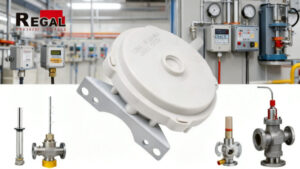
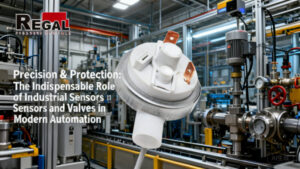
Pressure switches are fundamental electromechanical devices designed to monitor and control pressure within a system. They act as critical decision-makers, activating or deactivating electrical circuits based on predefined pressure thresholds. Their robust design and precise operation make them indispensable in a vast array of applications.
Air Pressure Switches: Precision in Pneumatics and HVAC
مفاتيح ضغط الهواء are commonly found in pneumatic systems, HVAC units, compressors, and vacuum systems. They ensure that air lines maintain optimal pressure for tools and machinery, prevent over-pressurization in air tanks, or signal low-pressure conditions that could indicate a leak. For instance, in an industrial compressor, an air pressure switch might activate the motor when pressure drops below a set point and deactivate it when the desired pressure is reached, thereby conserving energy and preventing wear.
Water Pressure Switches: Safeguarding Fluid Systems
بصورة مماثلة،, مفاتيح ضغط الماء are vital for water pumps, irrigation systems, and industrial fluid transfer applications. They regulate water flow and pressure, protecting pumps from dry-running or over-pressurization. In a municipal water treatment plant, a water pressure switch could monitor the pressure in a filtration system, triggering an alarm or shutting down a pump if pressure deviates from safe operating parameters, thus preventing damage or contamination.
The reliable operation of both air and water pressure switches is paramount for equipment longevity, process stability, and preventing costly downtime.
Mastering the Depths: Water Level Switches and Sensors
Managing fluid levels is a constant challenge in many industries, from chemical processing to wastewater treatment. مفاتيح مستوى الماء و أجهزة استشعار مستوى الماء provide the precise data and control necessary to prevent spills, protect pumps, and manage inventory effectively.
Water Level Switches: On/Off Control for Critical Thresholds
مفاتيح مستوى الماء are discrete devices that provide an on/off signal when a liquid reaches a specific point. They are ideal for applications requiring simple high-level alarms, low-level pump cut-offs, or automatic refilling. For example, in a cooling tower, a water level switch can ensure the water level never drops too low, preventing damage to circulating pumps, or never overflows, avoiding costly water waste and potential hazards.
Water Level Sensors: Continuous Monitoring for Granular Control
في المقابل،, أجهزة استشعار مستوى الماء offer continuous measurement of liquid levels, providing a real-time analog or digital output that corresponds to the exact depth of the fluid. This continuous data is crucial for inventory management in storage tanks, precise dosing in chemical mixing, or sophisticated process control in wastewater treatment plants where gradual level changes need to be monitored and adjusted. By providing granular data, these sensors enable predictive maintenance and more efficient resource allocation.
The Pulse of the Process: Flow Sensors
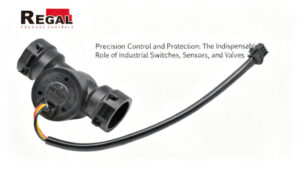
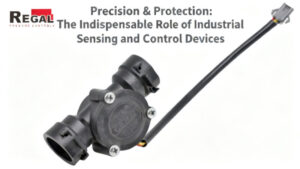
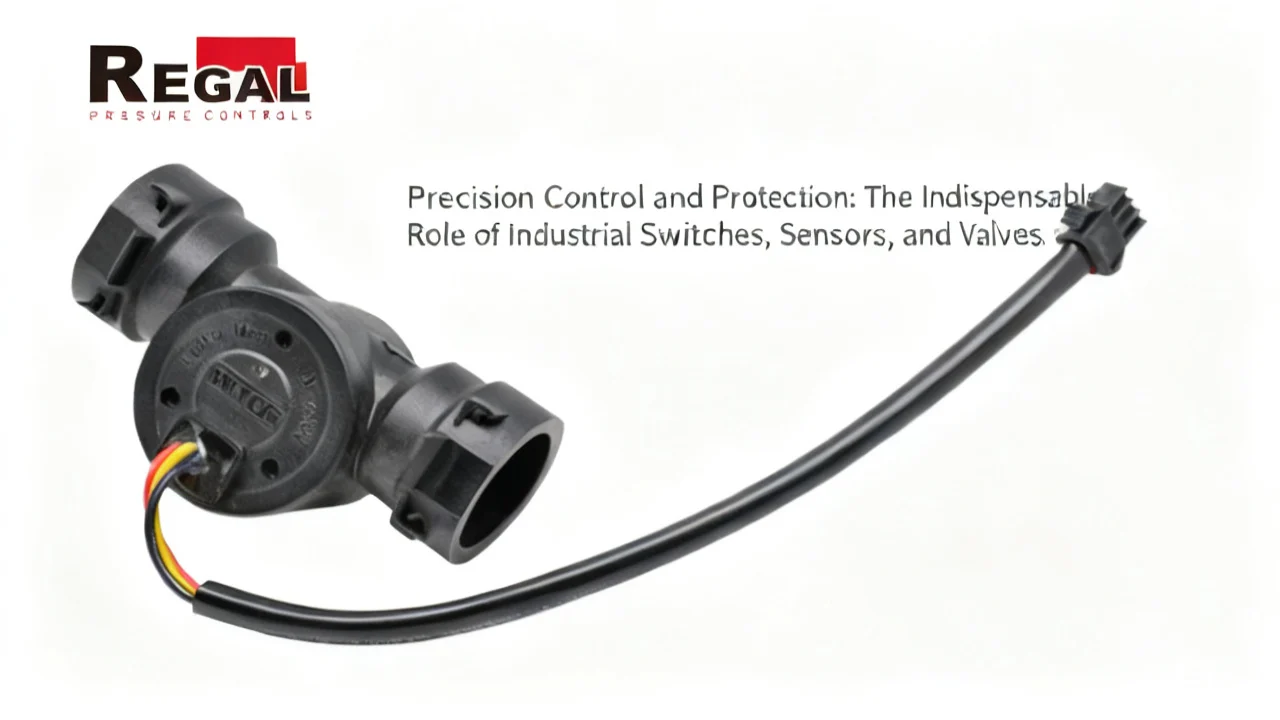
Monitoring the movement of fluids and gases within pipes and channels is critical for efficiency, quality control, and safety. مستشعرات التدفق are instruments designed to measure the rate of fluid flow, providing invaluable insights into process dynamics.
From ensuring the correct amount of reactant is added in a chemical process to monitoring coolant circulation in a power plant, flow sensors play a pivotal role. They can detect leaks, verify pump performance, or ensure that minimum flow rates are maintained to prevent equipment damage. Different types, such as paddle wheel, electromagnetic, or ultrasonic sensors, are selected based on the fluid characteristics, pipe size, and required accuracy, each offering specific advantages for diverse industrial applications.
الحماية القصوى: صمامات تخفيف الضغط
While switches and sensors provide control and monitoring, صمامات تخفيف الضغط are the ultimate last line of defense against catastrophic failures due to overpressure. These mechanical devices are engineered to automatically open and discharge excess pressure from a system when it exceeds a predetermined safe limit, then reclose once the pressure returns to a safe level.
Their importance cannot be overstated. In steam boilers, pressure vessels, pipelines carrying volatile chemicals, or any system where pressure buildup is a risk, safety relief valves prevent explosions, equipment rupture, and severe injury to personnel. They are mandated by numerous industry regulations and codes, underscoring their critical role in maintaining a safe operational environment. The integrity of these valves and their associated أجزاء – from springs to seals – is paramount, requiring regular inspection, testing, and maintenance with high-quality components to ensure they function flawlessly when needed most.
Conclusion: Integrating for Industrial Excellence
The synergy between pressure switches, water level switches and sensors, flow sensors, and safety relief valves forms the backbone of modern industrial automation and safety protocols. Each component, while serving a distinct purpose, contributes to a holistic system that is more efficient, safer, and more reliable. For B2B entities, investing in high-quality, dependable versions of these industrial parts is not merely an expenditure but a strategic investment in operational continuity, regulatory compliance, and the long-term protection of assets and personnel. Understanding their functions and ensuring their proper selection and maintenance is key to unlocking optimal performance and securing a competitive edge in today’s demanding industrial landscape.