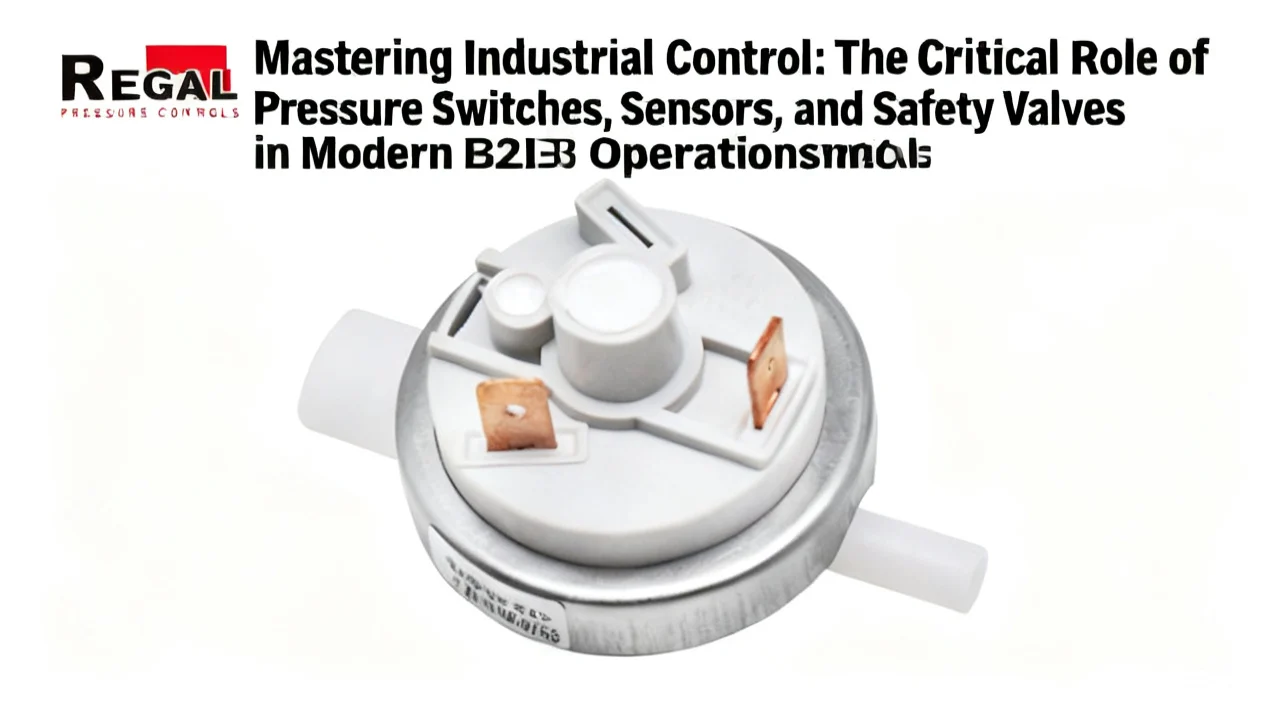
In the complex tapestry of modern industrial operations, a myriad of components work in concert to ensure seamless functionality, optimal efficiency, and, most critically, unwavering safety. Among these, pressure switches, water level sensors, flow sensors, and safety relief valves stand out as indispensable guardians. For B2B enterprises across manufacturing, processing, utilities, and more, understanding the nuanced applications and profound importance of these devices is not merely a technicality but a strategic imperative. They are the silent sentinels that protect assets, optimize processes, and uphold stringent regulatory compliance.
The Ubiquity of Pressure Switches: Precision in Every Application
Pressure switches are fundamental control devices engineered to monitor and respond to changes in pressure within a system. Their versatility makes them critical across an astonishing array of industrial applications. An Interruptor de presión de aire, for instance, is vital in pneumatic systems, HVAC units, and dust collection equipment, ensuring that air pressure remains within specified operational limits to prevent damage or maintain performance. In compressors, they automatically start or stop the motor based on tank pressure, optimizing energy consumption and extending equipment life.
Similarly, a Interruptor de presión de agua plays a pivotal role in water pumps, irrigation systems, and industrial washing equipment. By detecting deviations from set pressure points, they can activate or deactivate pumps, prevent dry-running, or signal alerts for potential leaks or blockages. In municipal water treatment plants or commercial building management, these switches are instrumental in maintaining consistent water supply and protecting plumbing infrastructure. The precision and reliability of these switches directly translate into reduced downtime, lower maintenance costs, and enhanced operational continuity for businesses.
Precision in Fluid Management: Water Level Sensors & Flow Sensors
Managing fluid levels and flow rates is paramount in countless industrial processes, from chemical manufacturing to wastewater treatment. This is where Interruptores de nivel de agua y Sensores de nivel de agua become indispensable. A Water Level Switch typically provides a discrete output when a specific liquid level is reached, triggering actions like pump activation/deactivation or alarm generation. They are crucial for preventing overflows in storage tanks, ensuring optimal fill levels in process vessels, or protecting pumps from running dry in sumps.
Sensores de nivel de agua, often providing continuous analog or digital output, offer more granular data, allowing for precise monitoring and control of liquid levels. Industries such as food and beverage, pharmaceuticals, and power generation rely on these sensors to maintain exact ingredient ratios, monitor boiler water levels, or manage cooling tower operations. Their accuracy ensures product consistency, prevents costly spills, and optimizes resource utilization.
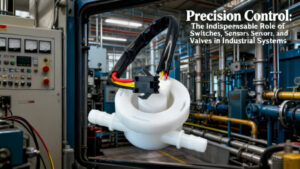
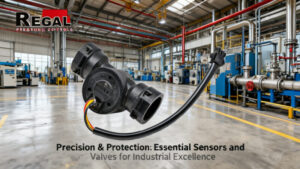
Equally critical are Sensores de flujo, which measure the rate of fluid movement through a pipe or channel. Whether it’s monitoring cooling water in a data center, tracking chemical dosing in a manufacturing process, or ensuring adequate flow in a fire suppression system, flow sensors provide real-time data essential for process control and safety. Deviations in flow can indicate blockages, leaks, or pump failures, allowing operators to intervene before minor issues escalate into major operational disruptions. The ability to accurately measure and control flow contributes significantly to product quality, energy efficiency, and environmental compliance.
The Unsung Hero: Safety Relief Valves
While pressure switches and sensors focus on control and monitoring, Safety Relief Valves (SRVs) are the ultimate fail-safe mechanisms designed to protect equipment and personnel from catastrophic overpressure events. In systems handling pressurized gases or liquids – such as boilers, pressure vessels, pipelines, and chemical reactors – an uncontrolled increase in pressure can lead to explosions, equipment rupture, and severe injury or death. SRVs are engineered to automatically open and vent excess pressure when a predetermined set point is exceeded, then reclose once pressure returns to a safe level.
The importance of SRVs cannot be overstated. They are mandated by numerous industry regulations and standards (e.g., ASME Boiler and Pressure Vessel Code) and are non-negotiable components in high-pressure environments. Industries like oil and gas, petrochemicals, power generation, and even commercial refrigeration rely heavily on the integrity and proper functioning of these valves. Investing in high-quality, properly sized, and regularly inspected SRVs is not just a regulatory requirement; it is a fundamental pillar of risk management and operational resilience for any B2B enterprise dealing with pressurized systems.
The Foundation of Reliability: Quality Parts
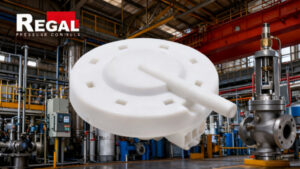
The performance and longevity of all these critical control devices – pressure switches, water level sensors, flow sensors, and safety relief valves – are inherently tied to the quality of their constituent Regiones. From robust housings and corrosion-resistant diaphragms to precision-engineered springs and seals, every component plays a role in the overall reliability and accuracy of the device. Substandard parts can lead to premature failure, inaccurate readings, increased maintenance, and, most dangerously, compromised safety. For B2B buyers, sourcing these components from reputable manufacturers known for their stringent quality control and certified products is paramount. Regular calibration, proper installation, and scheduled maintenance using genuine replacement parts are equally vital to ensure these industrial guardians continue to perform their essential duties flawlessly, contributing to sustained operational excellence and peace of mind.
Conclusión: Integración para la excelencia industrial
In the competitive industrial landscape, the strategic integration of reliable pressure switches, sophisticated water level and flow sensors, and robust safety relief valves is more than just a technical consideration – it is a cornerstone of operational excellence. These devices collectively empower B2B enterprises to achieve greater efficiency, enhance safety protocols, ensure regulatory compliance, and ultimately drive profitability. By meticulously selecting, implementing, and maintaining these critical components, businesses can safeguard their investments, protect their workforce, and confidently navigate the complexities of modern industrial processes, ensuring continuous, safe, and productive operations.