En el complejo mundo de los procesos industriales, el funcionamiento impecable de la maquinaria y los sistemas depende del control y la monitorización precisos de diversos parámetros. Desde plantas de fabricación hasta instalaciones de tratamiento de agua, la integridad de una operación depende en gran medida del rendimiento de sus componentes críticos. Este análisis profundiza en las funciones esenciales de los interruptores de presión, los sensores e interruptores de nivel de agua, los sensores de caudal y las válvulas de seguridad: instrumentos fundamentales que garantizan la eficiencia, la seguridad y el cumplimiento normativo en diversos entornos industriales.
Interruptores de presión: Los guardianes silenciosos de la integridad del sistema
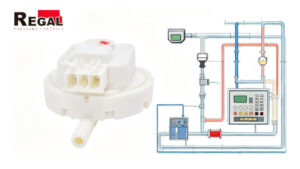
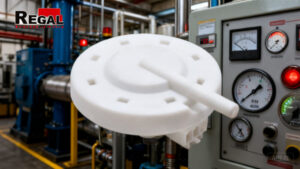
Los interruptores de presión son dispositivos electromecánicos diseñados para monitorear los cambios de presión dentro de un sistema y activar un interruptor eléctrico cuando se alcanza un umbral de presión preestablecido. Sus aplicaciones son muy diversas, ya que constituyen elementos críticos de seguridad y control en innumerables entornos industriales.
Interruptores de presión de aire: Garantizando la eficiencia de los sistemas de climatización y neumáticos.
Los interruptores de presión de aire son esenciales en sistemas de climatización, maquinaria neumática y unidades de recolección de polvo. Detectan diferencias de presión o presiones absolutas, indicando cuándo los filtros están obstruidos, las correas de los ventiladores están rotas o cuándo un sistema requiere ajuste. Por ejemplo, en un horno, un interruptor de presión de aire garantiza el correcto funcionamiento del ventilador de combustión antes de permitir el encendido del quemador, evitando la acumulación de combustible sin quemar y posibles riesgos. En compresores industriales, mantienen presiones de funcionamiento óptimas, previniendo la sobrepresión y ahorrando energía.
Interruptores de presión de agua: fundamentales para la gestión de fluidos y la seguridad.
Los interruptores de presión de agua son indispensables en el control de bombas, sistemas de riego y plantas de tratamiento de agua. Activan o desactivan las bombas según la demanda de agua, asegurando una presión constante en las redes de distribución o manteniendo los niveles de agua en los tanques de almacenamiento. En los sistemas de extinción de incendios, estos interruptores son cruciales para verificar que haya suficiente presión de agua disponible, proporcionando una capa de seguridad fundamental. Su capacidad para responder a puntos de presión específicos los hace esenciales para los procesos automatizados de manejo de fluidos, evitando tanto el funcionamiento en seco de las bombas como la sobrepresión que podría dañar las tuberías o los equipos.
Control de niveles de fluidos: interruptores y sensores de nivel de agua
La gestión de los niveles de fluidos es fundamental en muchos sectores, desde el procesamiento químico hasta la gestión del agua potable. Los interruptores y sensores de nivel de agua proporcionan la información necesaria para controlar las bombas, activar alarmas y prevenir desbordamientos o funcionamiento en seco.
Interruptores de nivel de agua: Detección puntual para umbrales críticos
Los interruptores de nivel de agua se utilizan normalmente para la detección puntual del nivel, indicando cuándo un líquido alcanza un punto máximo o mínimo específico. Pueden ser interruptores de flotador, sondas de conductividad o sensores ópticos. Son ideales para aplicaciones que requieren un control sencillo de encendido/apagado, como activar una bomba de achique cuando el agua alcanza cierta altura o cerrar una válvula de entrada para evitar el desbordamiento de un tanque. Su diseño robusto y su funcionamiento sencillo los convierten en una opción fiable para el control de nivel crítico, donde no es estrictamente necesaria una medición continua y precisa.
Sensores de nivel de agua: Monitoreo continuo para el control de materiales granulares.
Para aplicaciones que requieren una medición continua y precisa de los niveles de fluidos, los sensores de nivel de agua son la solución ideal. Tecnologías como los sensores ultrasónicos, hidrostáticos, de radar o de radar de onda guiada proporcionan datos en tiempo real sobre la profundidad del fluido. Esta información continua es fundamental para la gestión de inventario en tanques de almacenamiento, la optimización de los procesos de dosificación de productos químicos o el monitoreo de los niveles de los depósitos. Al proporcionar salidas analógicas o digitales, estos sensores se integran perfectamente con PLC y sistemas SCADA, lo que permite estrategias de control sofisticadas y capacidades de mantenimiento predictivo.
Sensores de flujo: Los ojos y los oídos de sus tuberías
Los sensores de flujo miden la velocidad de movimiento de un fluido (líquido o gas) a través de una tubería o canal. Son esenciales para el control de procesos, ya que garantizan la correcta mezcla de ingredientes, el control del consumo y la detección de fugas.
Desde sencillos sensores de paletas para la detección básica de flujo hasta avanzados caudalímetros electromagnéticos o ultrasónicos para mediciones de alta precisión, su función es muy diversa. En los sistemas de climatización, los sensores de flujo garantizan una circulación de agua adecuada para el intercambio de calor. En las plantas químicas, aseguran la dosificación precisa de reactivos. Su capacidad para monitorizar datos de flujo en tiempo real ayuda a optimizar los procesos, reducir el desperdicio e identificar anomalías que podrían indicar fallos en los equipos o fugas en el sistema, evitando así costosos tiempos de inactividad y posibles riesgos medioambientales.
Válvulas de seguridad: La red de seguridad definitiva
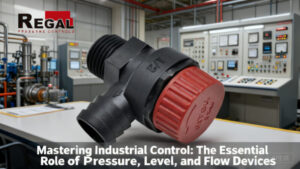
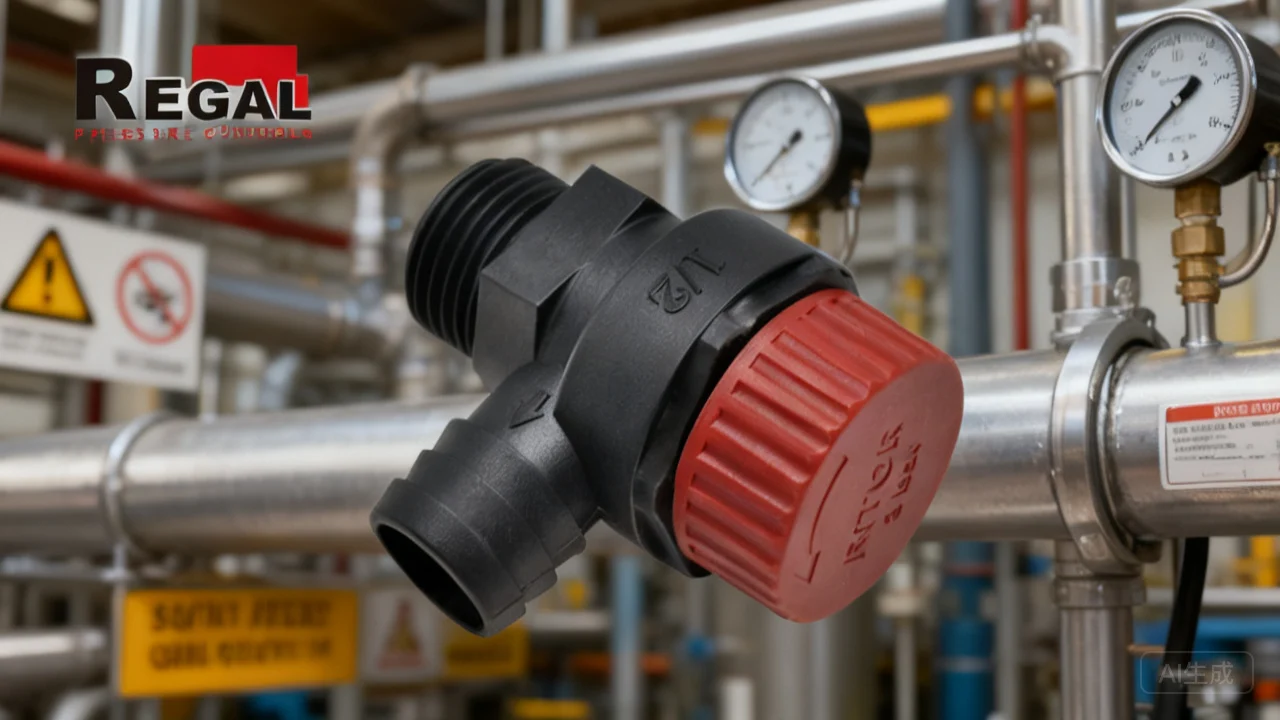
Quizás ningún componente sea tan crucial para la seguridad del personal y los equipos como la válvula de seguridad (VSR). Diseñadas para abrirse automáticamente cuando la presión en un sistema supera un límite de seguridad predeterminado, las VSR son la última línea de defensa contra eventos catastróficos de sobrepresión.
En calderas, recipientes a presión, tuberías y reactores químicos, una válvula de seguridad contra fugas (SRV) previene roturas o explosiones al liberar el exceso de fluido o gas. Estas válvulas están rigurosamente diseñadas y probadas para cumplir con estrictas normas internacionales, lo que garantiza un funcionamiento fiable cuando fallan otros mecanismos de control. La selección, instalación y mantenimiento adecuados de las válvulas de seguridad contra fugas no solo son buenas prácticas, sino que a menudo son obligatorios por parte de los organismos reguladores, lo que subraya su papel indispensable para mantener un entorno industrial seguro.
El papel indispensable de las piezas de calidad y el mantenimiento
La fiabilidad de cualquier sistema industrial está directamente ligada a la calidad de sus componentes. Invertir en interruptores de presión, sensores de nivel, sensores de caudal y válvulas de seguridad de alta calidad de fabricantes reconocidos es fundamental. Las piezas de baja calidad pueden provocar lecturas inexactas, fallos prematuros, mayor tiempo de inactividad y, lo que es más importante, comprometer la seguridad.
Además, la inspección, calibración y mantenimiento regulares son fundamentales. Un sistema bien mantenido no solo funciona de manera más eficiente, sino que también prolonga la vida útil de sus componentes, evitando averías inesperadas y garantizando un funcionamiento continuo y seguro. La disponibilidad de piezas y la facilidad de reemplazo también son factores clave, lo que permite que los sistemas vuelvan a estar operativos rápidamente.
Cómo elegir la instrumentación adecuada para sus necesidades
La selección del dispositivo adecuado requiere una cuidadosa consideración de varios factores:
- Detalles de la aplicación: ¿Qué fluido se está midiendo (líquido, gas, corrosivo, viscoso)? ¿Cuáles son las temperaturas y presiones de funcionamiento?
- Precisión y repetibilidad: ¿Qué nivel de precisión se requiere para su proceso?
- Condiciones ambientales: ¿El dispositivo estará expuesto a productos químicos agresivos, temperaturas extremas o vibraciones?
- Requisitos de salida: ¿Necesita un interruptor sencillo, una señal analógica o comunicación digital?
- Certificaciones y estándares: ¿Existen normativas específicas del sector o de seguridad que deban cumplirse (por ejemplo, ATEX, ASME, clasificaciones NEMA)?
Conclusión
Los interruptores de presión, los sensores y sensores de nivel de agua, los sensores de flujo y las válvulas de seguridad son mucho más que simples componentes; constituyen la columna vertebral inteligente de las operaciones industriales modernas. Al proporcionar un control preciso, una monitorización crítica y mecanismos de seguridad esenciales, estos dispositivos permiten a las industrias alcanzar mayores niveles de eficiencia, reducir los riesgos operativos y mantener el cumplimiento de las estrictas normas de seguridad. Comprender sus funciones y garantizar su correcta selección y mantenimiento es fundamental para construir sistemas industriales robustos, fiables y seguros que puedan prosperar en los exigentes entornos operativos actuales.