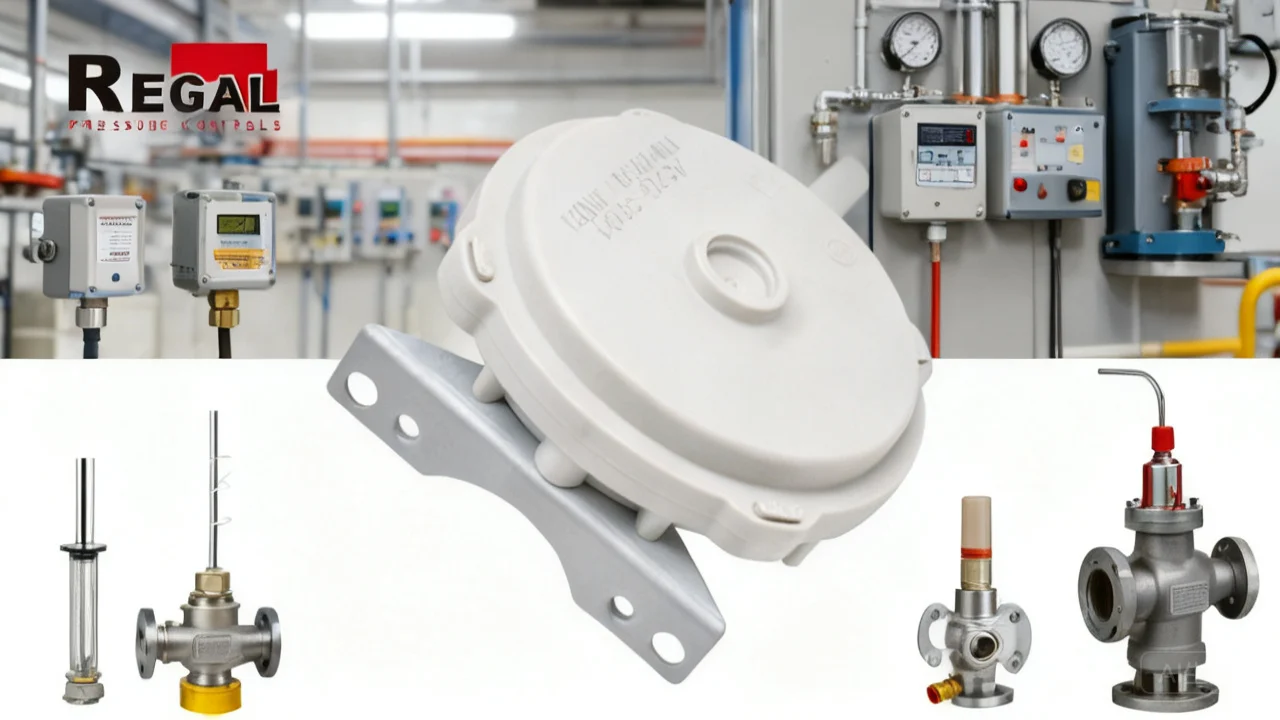
In the complex tapestry of modern industrial operations, the seamless functioning of critical processes hinges on precision control and unyielding safety measures. From manufacturing plants to water treatment facilities, the ability to accurately monitor and regulate parameters like pressure, fluid levels, and flow is not just an advantage—it’s an absolute necessity. At the heart of this operational integrity lie specialized components: pressure switches, water level sensors, flow sensors, and safety relief valves. These devices, often unseen, are the silent guardians and orchestrators of efficiency and safety across countless applications.
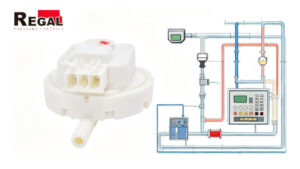
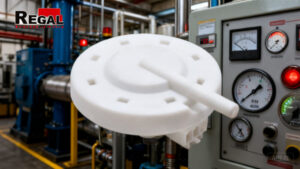
Pressure switches are electromechanical devices designed to respond to a change in pressure. When the pressure in a system reaches a predetermined set point, the switch activates, either opening or closing an electrical circuit. This simple yet crucial function allows them to control pumps, compressors, alarms, and other equipment, protecting systems from over- or under-pressurization.
- Interruptores de presión de aire: Widely used in HVAC systems, pneumatic control systems, and air compressors, air pressure switches monitor the pressure of gases. They can ensure that a compressor maintains optimal operating pressure, trigger a fan in a ventilation system based on duct pressure, or provide safety interlocks for industrial machinery. Their reliability is paramount for energy efficiency and equipment longevity.
- Interruptores de presión de agua: Essential for fluid handling systems, water pressure switches are found in booster pump systems, irrigation controls, and well pumps. They automatically turn pumps on when water pressure drops below a set minimum (e.g., due to demand) and turn them off when the desired pressure is reached, preventing dry running and ensuring consistent supply. In residential and industrial settings, they are foundational for reliable water delivery.
The selection of a pressure switch involves considering factors such as operating pressure range, media compatibility, hysteresis, and environmental conditions, ensuring it provides accurate and repeatable performance over its lifespan.
Water Level Management: Precision and Protection
Managing fluid levels is critical in tanks, sumps, boilers, and reservoirs to prevent overflow, dry running of pumps, or maintain specific process conditions. This is where water level switches and water level sensors come into play.
- Interruptores de nivel de agua: These provide a discrete on/off signal when a specific fluid level is reached. Simple float switches are common, but more advanced conductive, optical, or vibrating fork switches are used for specific applications or media. They are ideal for triggering alarms, controlling pump fill/drain cycles, or providing low-level cut-offs to protect heating elements in boilers.
- Sensores de nivel de agua: Unlike switches, sensors provide a continuous output signal proportional to the fluid level, allowing for precise, real-time monitoring and control. Technologies include ultrasonic (non-contact), hydrostatic (pressure-based), radar, and guided wave radar. These sensors are vital in chemical processing, wastewater treatment, and large-scale storage, enabling sophisticated control strategies and inventory management.
Accurate level detection prevents costly spills, ensures process consistency, and safeguards equipment from damage, making these components indispensable for efficient fluid management.
Flow Sensors: Ensuring Optimal Throughput
The ability to measure and monitor the flow rate of liquids or gases is crucial for process optimization, quality control, and safety. Flow sensors detect the movement of fluids through a pipe or conduit and convert this movement into an electrical signal.
- Aplicaciones: Flow sensors are used in a vast array of industries, from monitoring coolant flow in machinery to ensuring correct chemical dosing in water treatment, or verifying proper fuel delivery in power generation. They help identify blockages, leaks, or inefficient pump operation, directly impacting operational costs and product quality.
- Types: Common types include paddle wheel sensors for basic flow detection, electromagnetic flow meters for conductive liquids, thermal mass flow meters for gases, and ultrasonic flow meters for non-invasive measurement. The choice depends on the fluid type, required accuracy, pipe size, and environmental factors.
Integrating reliable flow sensors into a system allows for better process control, resource optimization, and early detection of anomalies that could lead to system failures.
Válvulas de seguridad: La última línea de defensa
While control components manage normal operations, safety relief valves stand as the ultimate safeguard against catastrophic over-pressurization. These mechanical devices automatically open when the pressure of a fluid (liquid or gas) exceeds a predetermined set pressure, relieving the excess pressure and preventing equipment damage, system failure, or even explosions. Once the pressure drops to a safe level, the valve automatically recloses.
- Critical Role: Safety relief valves are mandated in virtually every industry dealing with pressurized vessels, pipelines, and equipment, including boilers, chemical reactors, steam systems, and air receivers. They are non-negotiable for compliance with safety regulations and standards (e.g., ASME Boiler and Pressure Vessel Code).
- Parts and Maintenance: The reliability of a safety relief valve depends on the integrity of its individual parts—springs, discs, nozzles, and bonnets. Regular inspection, testing, and maintenance, including the replacement of worn parts, are critical to ensure they will function correctly when an emergency arises.
Investing in high-quality safety relief valves and adhering to strict maintenance protocols is an investment in human safety and operational continuity.
The Importance of Quality Parts and Integrated Solutions
The performance of any industrial system is only as strong as its weakest link. For pressure switches, level sensors, flow sensors, and safety relief valves, the quality of their internal components and the precision of their manufacturing are paramount. Reliable parts ensure accuracy, longevity, and consistent performance, reducing downtime and maintenance costs.
Furthermore, these individual components are often part of a larger, integrated control system. Their seamless interaction, accurate data transmission, and timely responses are crucial for automated processes. Selecting components that offer robust construction, easy integration, and reliable performance across demanding industrial environments is key to building resilient and efficient operations.
Conclusión
Pressure switches, water level and flow sensors, and safety relief valves are far more than mere accessories; they are foundational elements of modern industrial control and safety infrastructure. They empower businesses to achieve unparalleled levels of precision, enhance operational safety, and optimize resource utilization. Understanding their functions, applications, and the importance of selecting high-quality components and parts is essential for any industry striving for peak performance, regulatory compliance, and long-term sustainability. By prioritizing these critical devices, industries can safeguard their assets, protect their personnel, and ensure the uninterrupted flow of their most vital processes.