In the complex tapestry of modern industrial operations, a suite of often-unseen devices works tirelessly to ensure efficiency, prevent costly downtime, and, most critically, safeguard personnel and assets. These indispensable components—ranging from pressure switches and water level sensors to flow sensors and safety relief valves—form the backbone of reliable process control and critical safety systems across countless sectors. For B2B stakeholders, understanding their function, selection, and integration is paramount to building robust, compliant, and highly productive environments.
The Foundation of Control: Pressure Switches (Air & Water)
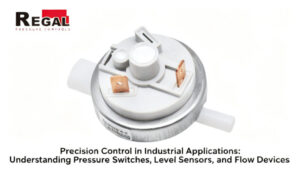
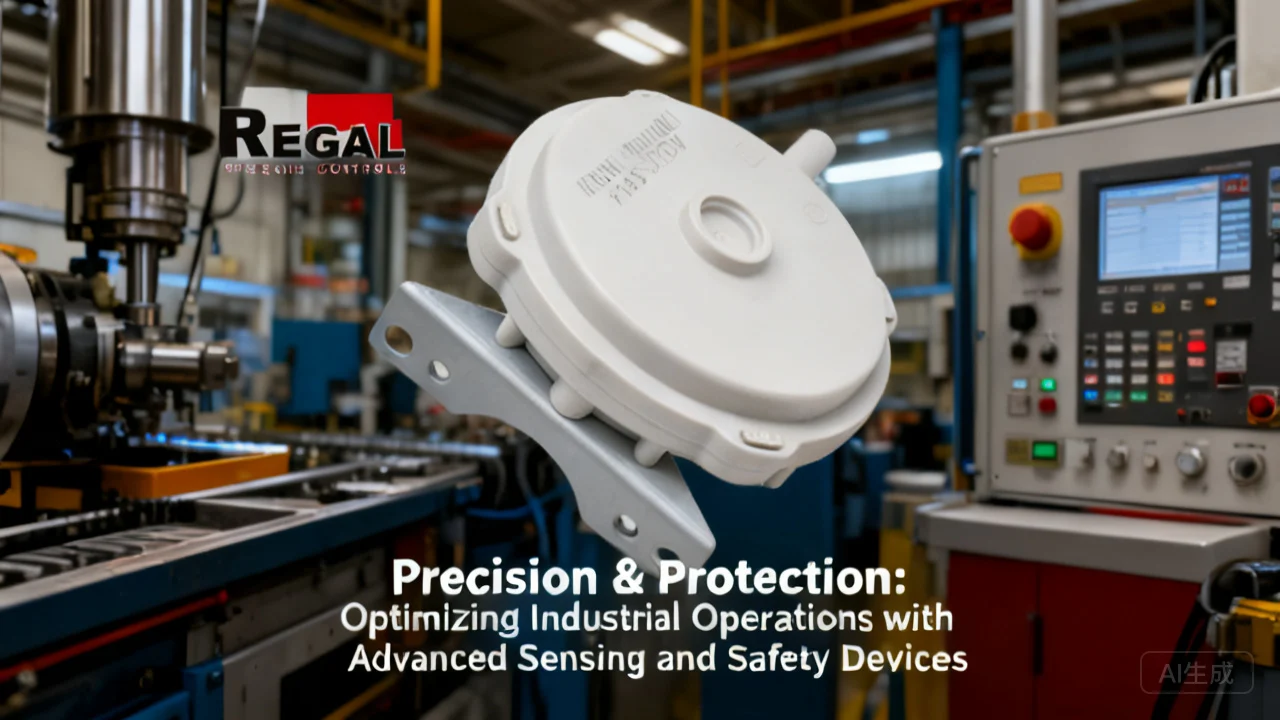
Pressure switches are fundamental control devices designed to monitor the pressure within a system and activate or deactivate an electrical circuit when a pre-set pressure threshold is reached. Their simplicity belies their critical importance in automating processes and preventing equipment damage.
- Interruptores de presión de aire: Widely used in HVAC systems, air compressors, pneumatic machinery, and dust collection systems, these switches ensure that air pressure remains within safe and operational limits. They can initiate compressor cycles, trigger alarms for low pressure, or shut down equipment to prevent damage from over-pressurization.
- Interruptores de presión de agua: Essential in water treatment plants, irrigation systems, boiler controls, and pump protection, water pressure switches monitor the pressure of liquid media. They are crucial for maintaining consistent water supply, preventing dry-running of pumps, and ensuring the integrity of pipeline systems. Proper selection involves considering setpoint accuracy, material compatibility, and environmental resistance.
The reliability of a pressure switch directly impacts operational continuity and the longevity of connected machinery.
Guarding the Levels: Water Level Switches & Sensors
Managing liquid levels is a pervasive challenge in industries from manufacturing to wastewater treatment. Water level switches and sensors provide the necessary intelligence to prevent overflows, protect pumps, and optimize inventory.
- Interruptores de nivel de agua: These devices provide discrete (on/off) signals when a specific liquid level is reached. Applications include controlling pump operations in sumps, activating alarms in storage tanks, or preventing overfilling in process vessels. They are available in various technologies, including float, conductive, and ultrasonic types, each suited for different liquid characteristics and environmental conditions.
- Sensores de nivel de agua: Offering continuous measurement, water level sensors provide real-time data on liquid levels, allowing for more precise control and monitoring. Industries utilize them for inventory management in large tanks, monitoring reservoir levels, or precisely dosing chemicals in treatment processes. Technologies like hydrostatic, radar, and guided wave radar sensors offer different levels of accuracy, range, and immunity to process conditions.
Accurate level detection is vital for preventing costly spills, optimizing resource utilization, and ensuring process stability.
Monitoring the Flow: The Role of Flow Sensors
Flow sensors are instrumental in detecting, measuring, and monitoring the movement of liquids or gases through a pipe or channel. Their data is critical for process control, efficiency optimization, and leak detection.
- Aplicaciones: From ensuring correct chemical dosing in water treatment to monitoring coolant flow in industrial machinery or detecting leaks in pipelines, flow sensors provide essential feedback. They help maintain optimal process rates, prevent equipment overheating, and ensure the efficient use of valuable resources.
- Impact: By providing real-time flow rates, these sensors enable operators to identify deviations quickly, optimize energy consumption, and ensure product quality. Various principles, including turbine, magnetic, vortex, and thermal mass, cater to different media, accuracy requirements, and flow ranges.
Integrating reliable flow sensors into a system significantly enhances operational transparency and control.
La red de seguridad definitiva: válvulas de alivio de seguridad
Perhaps the most critical safety device in any pressurized system is the safety relief valve. These mechanical devices are designed to automatically open and discharge fluid when the pressure inside a vessel or system exceeds a pre-set limit, thereby preventing catastrophic failure, explosions, and damage to equipment and personnel.
- Criticality: Safety relief valves are the last line of defense against over-pressurization caused by thermal expansion, chemical reactions, external fires, or equipment malfunctions. Their proper functioning is non-negotiable for compliance with industrial safety standards and regulations.
- Selection & Maintenance: Choosing the correct safety relief valve involves meticulous consideration of set pressure, flow capacity, fluid compatibility, operating temperature, and applicable codes (e.g., ASME). Regular inspection, testing, and maintenance are paramount to ensure they will operate correctly when needed most.
Investing in high-quality, properly specified safety relief valves is an investment in safety and regulatory compliance that pays dividends in peace of mind.
The Synergy of Quality: Selecting the Right Components and Parts
The performance of any industrial system is only as strong as its weakest link. For pressure switches, water level sensors, flow sensors, and safety relief valves, the importance of selecting high-quality components and reliable parts cannot be overstated.
- Reliability and Durability: Industrial environments are often harsh. Components must withstand extreme temperatures, corrosive media, vibration, and continuous operation. Investing in devices made from robust materials and engineered for demanding applications ensures longer service life and reduces downtime.
- Precisión y repetibilidad: Precision in measurement and control is crucial for process optimization and product quality. High-quality sensors and switches offer superior accuracy and repeatability, leading to consistent performance and fewer errors.
- Compliance and Certifications: Many industries are subject to stringent regulations. Ensuring that selected devices meet relevant industry standards and certifications (e.g., ATEX, UL, CE) is vital for operational safety and legal compliance.
- Availability of Parts: A reliable supplier not only provides quality devices but also ensures the availability of genuine replacement parts and accessories, facilitating maintenance and extending the operational life of your equipment.
For B2B buyers, a holistic approach to procurement—considering total cost of ownership, supplier reputation, technical support, and the availability of quality parts—is essential for building resilient and efficient industrial systems.
Conclusión
The integrated deployment of advanced pressure switches, water level sensors, flow sensors, and safety relief valves is fundamental to achieving operational excellence, ensuring safety, and driving efficiency in today’s industrial landscape. By understanding the nuances of these critical components and prioritizing quality in their selection and maintenance, businesses can build systems that are not only productive but also inherently safe and sustainable.