Introduction: The Pillars of Industrial Efficiency and Safety
Modern industrial operations are a complex symphony of interconnected processes, demanding unwavering precision, reliability, and safety. At the heart of this intricate dance are an array of sensing and control technologies that monitor, regulate, and safeguard critical systems. From maintaining optimal pressure in pneumatic lines to ensuring precise liquid levels in storage tanks and preventing catastrophic overpressure events, these components are indispensable for operational efficiency and compliance. This article delves into the foundational role of pressure switches, level sensors, flow sensors, and safety relief valves, highlighting their diverse applications and the importance of selecting high-quality parts for robust industrial infrastructure.
Pressure Switches: The Sentinels of System Integrity
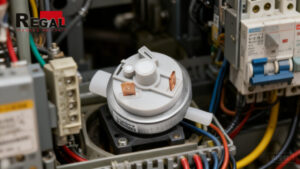
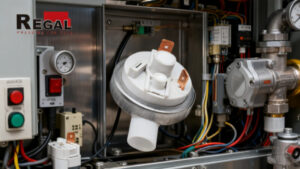
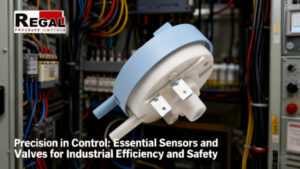
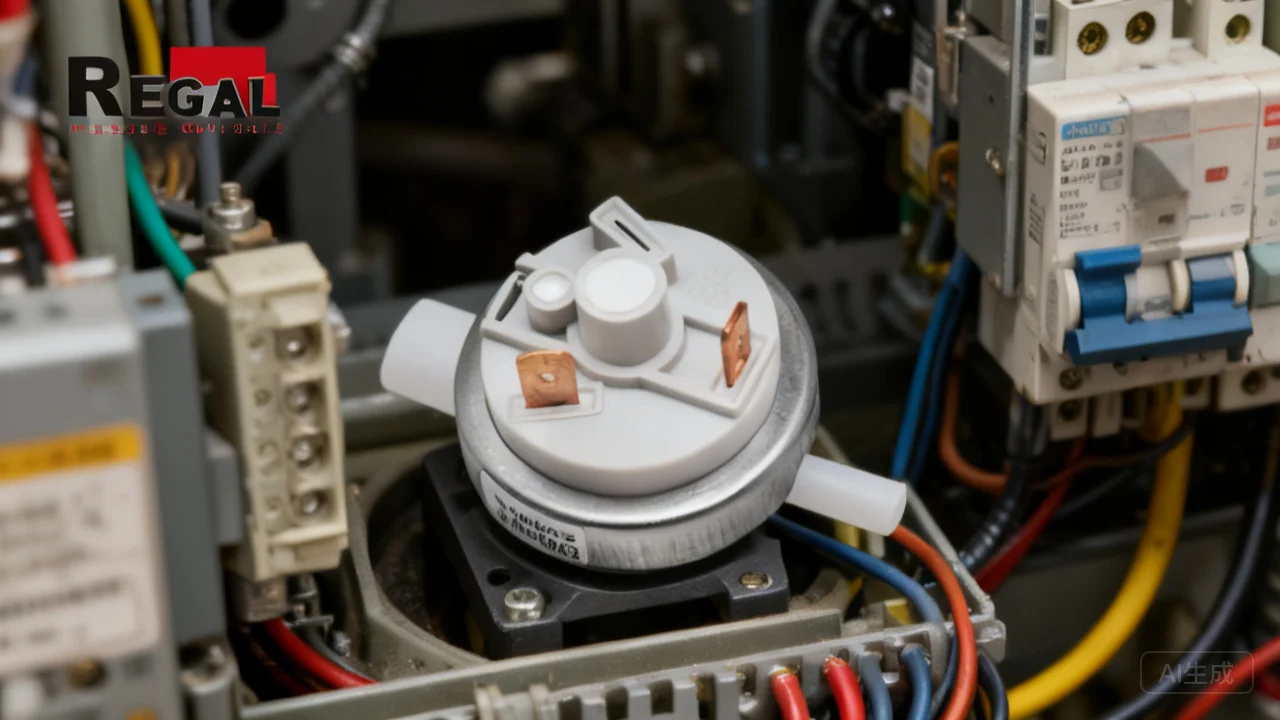
Pressure switches are fundamental devices designed to monitor and respond to specific pressure thresholds within a system. When the pressure reaches a predetermined set point, the switch actuates, either opening or closing an electrical circuit. This simple yet critical function makes them ubiquitous across industries.
- Air Pressure Switches: Predominantly found in HVAC systems, pneumatic tools, air compressors, and vacuum systems, air pressure switches ensure that air pressure remains within safe and operational limits. For instance, they can trigger an alarm if a compressor fails to reach the required pressure or shut down a system if pressure drops too low, preventing damage or inefficient operation.
- Water Pressure Switches: Essential for managing liquid systems, water pressure switches are commonly used in pump control, irrigation systems, water treatment plants, and industrial cooling circuits. They can activate a pump when water pressure falls below a set minimum (e.g., in a well system) or deactivate it when maximum pressure is reached, preventing over-pressurization and energy waste.
Different designs, such as diaphragm, piston, and bellows types, offer varying levels of sensitivity, accuracy, and durability, allowing for tailored solutions based on the application’s specific demands. Selecting the correct type ensures long-term reliability and accurate pressure monitoring.
Level Sensing Technologies: Mastering Fluid Management
Accurate measurement and control of liquid levels are vital in numerous industrial processes, from chemical manufacturing to wastewater treatment. These technologies ensure proper inventory management, prevent spills, and protect critical equipment.
- Water Level Switches: These are binary devices that detect whether a liquid level has reached a specific point. Similar to pressure switches, they trigger an on/off signal. Common applications include preventing tanks from overflowing, protecting pumps from running dry, and activating refill systems. Float switches are a classic example, using a buoyant element to mechanically operate a switch.
- Water Level Sensors: In contrast to switches, sensors provide continuous measurement of liquid levels, offering real-time data for process control and monitoring. Technologies vary widely:
- Ultrasonic Sensors: Emit sound waves and measure the time it takes for the echo to return, suitable for non-contact measurement.
- Hydrostatic Sensors: Measure the pressure exerted by the liquid column, which correlates directly to the level.
- Capacitive Sensors: Detect changes in capacitance caused by the presence or absence of a liquid.
- Radar Sensors: Use microwave pulses for highly accurate, non-contact measurement, often preferred in harsh environments.
The choice between a switch and a sensor, and the specific technology, depends on the required precision, the nature of the liquid, and environmental conditions, ensuring optimal performance for diverse industrial needs.
Flow Sensors: The Pulse of Industrial Processes
Monitoring the flow rate of liquids and gases is paramount for process efficiency, quality control, and resource management. Flow sensors are the eyes and ears of pipelines, ensuring that fluids move at the correct velocity and volume.
- Importance: In manufacturing, accurate flow measurement ensures correct ingredient mixing. In energy, it monitors fuel consumption. In water management, it tracks distribution and consumption, playing a crucial role in operational optimization.
- Types of Flow Sensors:
- Paddle Wheel Sensors: Simple and cost-effective, using a rotating paddle to infer flow rate.
- Turbine Flowmeters: Utilize a turbine rotor whose rotational speed is proportional to the fluid velocity.
- Electromagnetic Flowmeters: Ideal for conductive liquids, measuring voltage induced by fluid flowing through a magnetic field, with no moving parts.
- Ultrasonic Flowmeters: Non-invasive, measuring flow by transmitting sound waves through the fluid.
- Thermal Mass Flowmeters: Measure the heat required to maintain a constant temperature difference between two sensors, often used for gases.
Selecting the right flow sensor involves considering fluid type, temperature, pressure, required accuracy, and installation constraints to ensure reliable and precise measurement in any application.
Safety Relief Valves: The Guardians of Pressure Safety
While sensing and control devices optimize processes, safety relief valves (SRVs) are the ultimate guardians against catastrophic failures caused by over-pressurization. They are passive mechanical devices designed to open automatically when the pressure in a vessel or system exceeds a predetermined safe limit, rapidly discharging fluid to relieve the excess pressure and then re-closing once the pressure has returned to a safe level.
- Critical Function: SRVs are mandated by safety regulations in virtually every industry involving pressurized systems, including oil and gas, chemical processing, power generation, and HVAC. Their failure can lead to equipment damage, environmental release, and severe injury or fatality.
- Types and Selection: Common types include conventional spring-loaded SRVs and pilot-operated relief valves (PORVs). Selection criteria involve not just the set pressure but also flow capacity, fluid compatibility, temperature range, and backpressure considerations. Regular inspection, testing, and maintenance of SRVs are non-negotiable to ensure their readiness to perform their life-saving function when called upon.
The Foundation: Quality Parts and Seamless Integration
The reliability and longevity of any industrial control system are only as strong as its weakest link. This underscores the critical importance of specifying and sourcing high-quality “Parts” – from the sensors themselves to the fittings, connectors, and ancillary components.
- Benefits of Quality: Premium components offer superior accuracy, extended operational life, reduced maintenance costs, and enhanced resistance to harsh operating environments (temperature extremes, corrosive media, vibration). Investing in certified, robust parts minimizes the risk of unexpected failures, costly downtime, and potential safety hazards.
- Seamless Integration: Beyond individual component quality, effective system integration is key. This involves ensuring compatibility between different devices, proper calibration, and robust communication protocols. A well-integrated system provides accurate data, enables precise control, and facilitates proactive maintenance, ultimately leading to optimized performance and greater operational uptime. Choosing suppliers who offer comprehensive technical support and adhere to stringent quality standards is paramount for building resilient and efficient industrial control systems.
Conclusion: Building Resilient and Efficient Industrial Operations
In the dynamic landscape of modern industry, the precision monitoring and control provided by pressure switches, level sensors, flow sensors, and the critical safety assurance offered by safety relief valves are not merely advantageous – they are fundamental necessities. These technologies drive efficiency, protect valuable assets, conserve resources, and most importantly, safeguard personnel. By understanding their diverse capabilities and committing to the selection of high-quality components and meticulous integration, industries can build more resilient, safer, and ultimately more profitable operations. Embracing these essential sensing and control solutions is a strategic imperative for any enterprise aiming for excellence in an increasingly automated world.