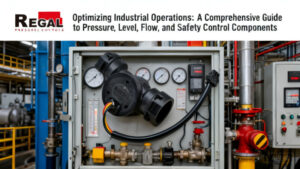
In the intricate world of modern industrial operations, precision, reliability, and safety are not just buzzwords; they are fundamental pillars upon which efficiency and profitability are built. From manufacturing plants to water treatment facilities, and from complex HVAC systems to critical energy infrastructure, the seamless functioning of processes relies heavily on a suite of specialized components. Among these, pressure switches, water level sensors, flow sensors, and safety relief valves stand out as indispensable guardians and orchestrators of fluid dynamics and system integrity.
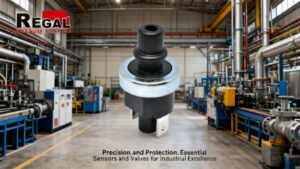
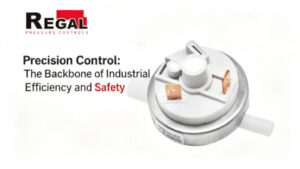
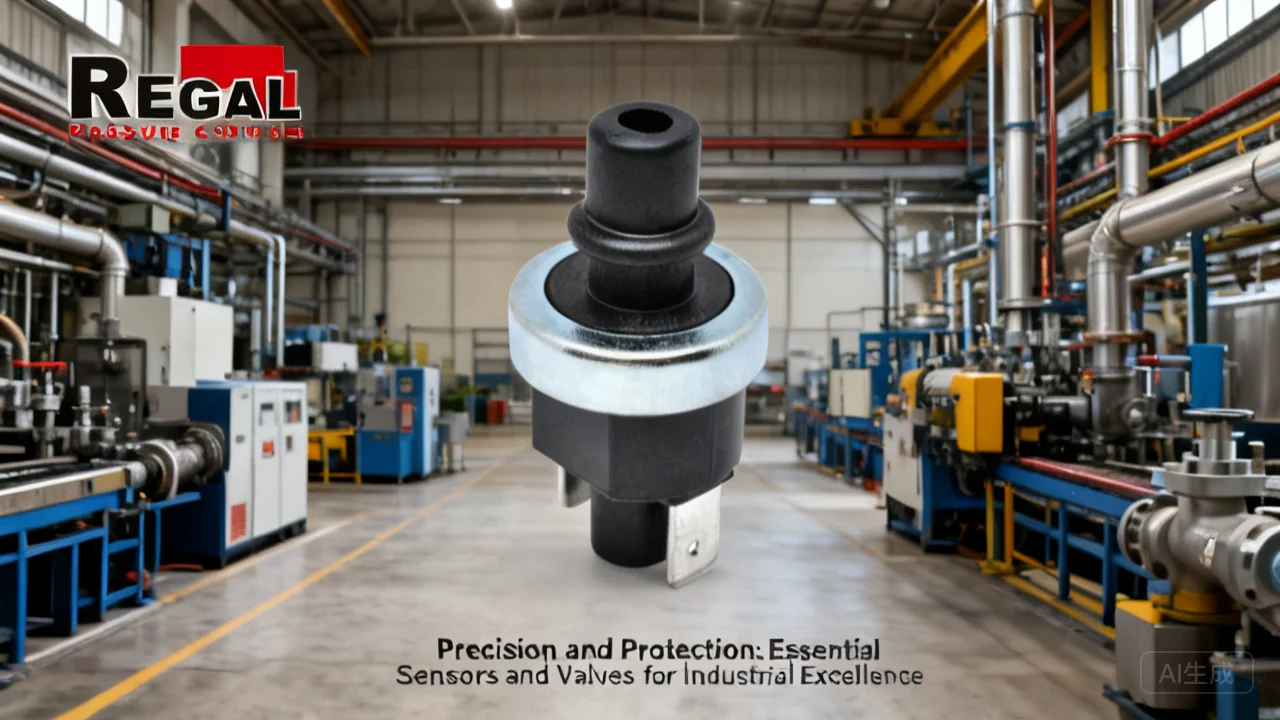
Pressure switches are electromechanical devices designed to monitor pressure levels within a system and trigger an action when a predefined threshold is met. Their simplicity belies their critical role in preventing equipment damage, optimizing performance, and ensuring operational safety.
- Air Pressure Switches: Ubiquitous in pneumatic systems, these switches are essential for applications ranging from HVAC systems and air compressors to industrial machinery and dust collection units. They can activate or deactivate compressors based on demand, monitor filter status, or ensure adequate air pressure for process tools, preventing costly downtime and maintaining consistent output.
- Water Pressure Switches: Crucial for fluid management, water pressure switches control pumps in irrigation systems, municipal water supplies, and industrial cooling circuits. They prevent pumps from running dry or operating under excessive load, thereby extending equipment lifespan and conserving energy. In filtration systems, they can signal when filters need cleaning or replacement, ensuring continuous water quality.
By providing critical feedback and control, pressure switches are vital for automating processes, protecting valuable assets, and maintaining consistent operational parameters across a multitude of industries.
Mastering Liquid Dynamics: Water Level Switches & Sensors
Managing liquid levels accurately is paramount for preventing overflows, ensuring consistent supply, and optimizing chemical processes. Water level switches and sensors offer diverse solutions for precise liquid management.
- Water Level Switches: These devices provide a simple, robust solution for detecting specific high or low liquid levels. Typically used in sumps, tanks, and reservoirs, they can activate or deactivate pumps to prevent flooding or dry-running, ensuring that critical processes maintain optimal liquid volumes. From wastewater treatment plants to boiler feed systems, their on/off control capability is indispensable for basic automation and safety.
- Water Level Sensors: For applications requiring continuous and precise measurement of liquid levels, water level sensors provide real-time data. Technologies such as ultrasonic, radar, hydrostatic, and capacitance sensors offer varying degrees of accuracy and suitability for different liquids and environments. These sensors are vital for inventory management in chemical storage tanks, precise dosing in manufacturing, monitoring water levels in reservoirs, and optimizing processes in food and beverage production. Their continuous feedback allows for sophisticated control systems, enabling predictive maintenance and highly efficient resource allocation.
The correct implementation of these devices prevents costly spills, protects pumps from damage, and ensures the uninterrupted flow of critical liquids within industrial ecosystems.
The Pulse of the System: Flow Sensors
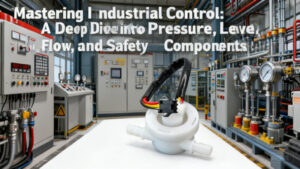
Understanding and controlling the movement of fluids is fundamental to many industrial processes. Flow sensors are designed to measure the rate of fluid movement (liquid or gas) through a pipe or channel, providing essential data for process optimization, quality control, and safety.
From monitoring cooling water in power plants to controlling chemical dosing in pharmaceutical manufacturing, flow sensors offer invaluable insights. They can detect leaks, ensure correct flow rates for mixing processes, monitor consumption for billing or efficiency analysis, and even verify the proper operation of ventilation systems. Available in various technologies—including turbine, magnetic, ultrasonic, Coriolis, and thermal—each type is suited for specific fluid characteristics and application requirements. Accurate flow measurement contributes significantly to resource conservation, product consistency, and the prevention of costly process errors.
The Last Line of Defense: Safety Relief Valves
While sensors and switches manage day-to-day operations, safety relief valves (SRVs) are the critical guardians that protect against catastrophic failure. These mechanical devices are designed to automatically open and discharge excess pressure from a system or vessel when internal pressure exceeds a predetermined set point, then reclose once the pressure returns to a safe level.
SRVs are non-negotiable components in systems handling pressurized fluids, gases, or steam, such as boilers, pressure vessels, pipelines, and chemical reactors. Their role is not merely to prevent equipment damage but, more importantly, to safeguard personnel and the surrounding environment from the devastating consequences of an overpressure event, which can include explosions, fires, and toxic releases. Adherence to strict regulatory standards (e.g., ASME, API) for SRV selection, installation, and maintenance is paramount, making them a cornerstone of industrial safety protocols.
The Foundation of Reliability: Quality Components and Maintenance
The efficacy and longevity of any industrial system are only as good as the quality of its individual components. Investing in high-quality pressure switches, water level sensors, flow sensors, and safety relief valves from reputable manufacturers is not an expense but a strategic investment. Inferior parts can lead to inaccurate readings, premature failures, increased downtime, and, most critically, compromised safety.
Beyond initial quality, regular inspection, calibration, and maintenance are crucial. Sensors can drift over time, switches can wear out, and relief valves can become fouled or lose their set pressure. A robust maintenance schedule ensures that these critical devices continue to perform accurately and reliably, minimizing operational risks and maximizing the return on investment. Furthermore, having access to genuine replacement parts ensures continuity and sustained performance, avoiding the pitfalls associated with non-standard or counterfeit components.
Conclusión
The integration of advanced pressure switches, water level and flow sensors, and robust safety relief valves forms the backbone of efficient, safe, and compliant industrial operations. These devices work in concert to monitor, control, and protect complex systems, driving operational excellence and safeguarding both assets and personnel. For businesses striving for peak performance and unwavering reliability, understanding and strategically deploying these essential components is not just an advantage—it’s a necessity.