در دنیای پیچیده اتوماسیون صنعتی و کنترل فرآیند، دقت، قابلیت اطمینان و ایمنی از اهمیت بالایی برخوردارند. از کارخانههای تولیدی گرفته تا تأسیسات تصفیه آب، توانایی نظارت و کنترل دقیق پارامترهای حیاتی مانند فشار، سطح و جریان فقط یک مزیت عملیاتی نیست - بلکه یک الزام اساسی برای کارایی، کیفیت محصول و حفاظت از پرسنل و تجهیزات است. این مقاله به اجزای اصلی که این امر را ممکن میسازند، میپردازد: سوئیچهای فشار، انواع مختلف سنسورها و شیر اطمینان ضروری، در کنار نقش حیاتی قطعات با کیفیت.
سوئیچهای فشار: نگهبانان یکپارچگی سیستم
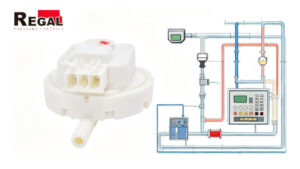
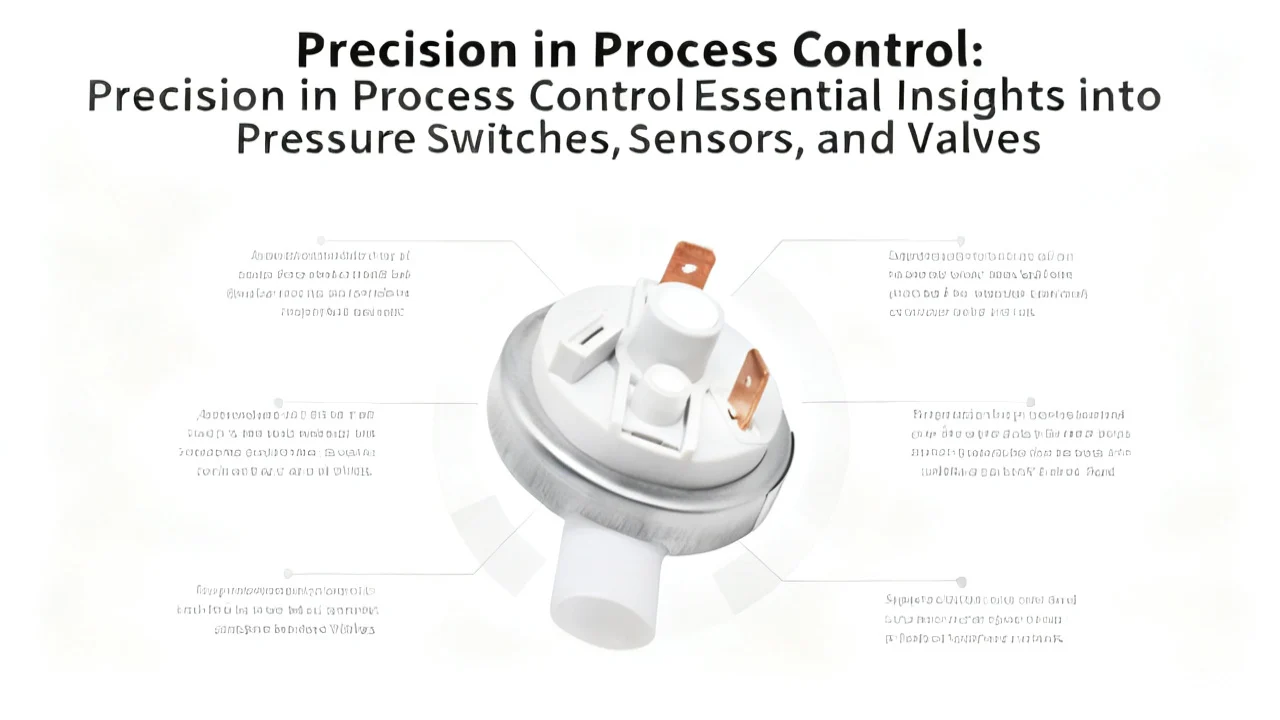
سوئیچهای فشار دستگاههای الکترومکانیکی هستند که برای تشخیص آستانه فشار خاص طراحی شدهاند و پس از رسیدن به آن آستانه، یک مدار الکتریکی را فعال یا غیرفعال میکنند. آنها مدافعان خط مقدم در سیستمهای صنعتی بیشماری هستند و تضمین میکنند که عملیات در محدوده فشار ایمن و بهینه باقی بماند.
چگونه کار میکنند
یک سوئیچ فشار معمولی از یک عنصر حسگر فشار (مانند دیافراگم، بیلوز یا پیستون) متصل به مجموعهای از کنتاکتهای الکتریکی تشکیل شده است. هنگامی که فشار فرآیند نیروی کافی را بر عنصر حسگر اعمال میکند، بر یک مکانیسم فنری غلبه میکند و باعث میشود کنتاکتها حالت خود را تغییر دهند. پارامترهای کلیدی شامل نقطه تنظیم (فشاری که در آن فعال میشود) و هیسترزیس (اختلاف بین نقاط فعال شدن و غیرفعال شدن، که از چرخههای سریع جلوگیری میکند) هستند.
کاربردها و انواع
- سوئیچ فشار هوا: معمولاً در سیستمهای تهویه مطبوع، سیستمهای کنترل پنوماتیک، کمپرسورهای هوا و سیستمهای خلاء یافت میشوند. آنها جریان هوا، گرفتگی فیلتر یا حفظ سطح فشار خاص در خطوط هوا را کنترل میکنند. طراحی قوی آنها اغلب طیف گستردهای از دماها و فشارهای عملیاتی خاص برای محیطهای گازی را در بر میگیرد.
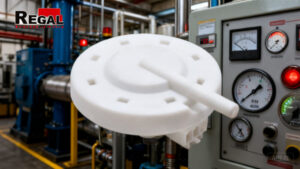
- سوئیچ فشار آب: در سیستمهای پمپاژ، آبیاری، تقویتکنندههای آب خانگی و مدارهای خنککننده صنعتی ضروری هستند. این سوئیچها بهطور خاص برای کار با سیالات مایع طراحی شدهاند و اغلب دارای مواد مقاوم در برابر خوردگی و آببندی هستند تا طول عمر و قابلیت اطمینان در کاربردهای مبتنی بر آب را تضمین کنند. آنها از خشک کار کردن پمپها یا سیستمهای با فشار بیش از حد جلوگیری میکنند.
انتخاب سوئیچ فشار مناسب
انتخاب سوئیچ فشار صحیح شامل در نظر گرفتن محیط (هوا، آب، روغن، مواد شیمیایی)، محدوده فشار، رتبهبندی الکتریکی، شرایط محیطی و سازگاری مواد است. فولاد ضد زنگ، برنج و پلیمرهای خاص، بسته به میزان خوردگی کاربرد، انتخابهای رایجی برای قطعات در تماس با آب هستند.
سنسورهای سطح و جریان: چشم و گوش سیستم شما
در حالی که سوئیچها کنترل دودویی (روشن/خاموش) را ارائه میدهند، حسگرها اندازهگیری پیوسته را ارائه میدهند و دادههای جزئی ضروری برای کنترل و نظارت پیشرفته را فراهم میکنند.
سوئیچها و سنسورهای سطح آب
مدیریت سطح سیال در مخازن، چاهکها، دیگهای بخار و تصفیه فاضلاب بسیار مهم است. هم سوئیچها و هم سنسورها نقش حیاتی ایفا میکنند:
- سوئیچ سطح آب: اینها سیگنالهای قطع و وصل گسسته را هنگام رسیدن به سطح مایع خاص ارائه میدهند. انواع رایج شامل سوئیچهای شناور (شناوری مکانیکی)، پروبهای رسانایی (تشخیص وجود سیال بین الکترودها) و سوئیچهای نوری هستند. آنها برای کنترل پمپ (شروع/توقف)، آلارمهای بالا/پایین و جلوگیری از سرریز ایدهآل هستند.
- سنسور سطح آب: این حسگرها با ارائه اندازهگیری مداوم، خروجی آنالوگ یا دیجیتال متناسب با سطح مایع ارائه میدهند. فناوریها شامل حسگرهای اولتراسونیک (غیرتماسی، ایدهآل برای مایعات خورنده)، هیدرواستاتیک (اندازهگیری فشار اعمال شده توسط ستون مایع)، رادار و خازنی هستند. آنها برای مدیریت موجودی، بهینهسازی فرآیند و حلقههای کنترل پیچیده که در آنها دادههای دقیق سطح مورد نیاز است، استفاده میشوند.
سنسورهای جریان: نظارت بر نبض فرآیند شما
سنسورهای جریان، سرعت حرکت سیال (مایع یا گاز) را در یک لوله یا کانال اندازهگیری میکنند. اندازهگیری دقیق جریان برای دوزینگ، اختلاط، مدیریت انرژی و راندمان فرآیند بسیار مهم است.
- سنسورهای جریان چرخهای پدالی: این سنسورها که مقرون به صرفه هستند و به طور گسترده برای مایعات تمیز استفاده میشوند، جریان را با تشخیص چرخش یک چرخ پرهدار که در مسیر جریان قرار داده شده است، اندازهگیری میکنند.
- سنسورهای جریان توربین: دقت بالاتری را ارائه میدهد، به خصوص برای مایعات با ویسکوزیته پایین. روتور متناسب با سرعت جریان میچرخد و فرکانس چرخش اندازهگیری میشود.
- سنسورهای جریان الکترومغناطیسی (Mag): این حسگرها که برای مایعات رسانا (از جمله آب و دوغاب) ایدهآل هستند، هیچ قطعه متحرکی ندارند، دقت بسیار خوبی ارائه میدهند و در برابر گرفتگی مقاوم هستند.
- سنسورهای جریان اولتراسونیک: این دستگاهها غیرتهاجمی و بسیار متنوع هستند و از امواج صوتی برای اندازهگیری سرعت جریان استفاده میکنند. این دستگاهها برای طیف وسیعی از مایعات و مواد لوله مناسب هستند و اغلب برای مایعات کثیف یا خورنده استفاده میشوند.
انتخاب به نوع سیال، محدوده جریان، دقت مورد نیاز، اندازه لوله و وجود مواد جامد یا عناصر خورنده بستگی دارد.
شیرهای اطمینان: آخرین خط دفاعی
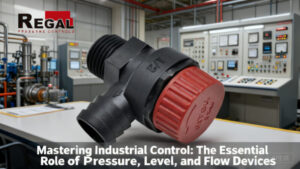
شیر اطمینان (SRV) مسلماً یکی از مهمترین وسایل ایمنی در هر سیستم تحت فشار است. تنها هدف آن باز شدن خودکار و تخلیه سیال در زمانی است که فشار سیستم از حد ایمن از پیش تعیینشده فراتر رود و در نتیجه از خرابی فاجعهبار تجهیزات، انفجار و آسیب به پرسنل جلوگیری شود.
عملکرد و اهمیت
شیرهای SRV طوری طراحی شدهاند که وقتی به فشار تنظیمشده میرسند، به سرعت باز شوند و فشار اضافی را تا زمانی که سیستم به سطح ایمن بازگردد، آزاد کنند و سپس دوباره بسته شوند. برخلاف شیرهای کنترل، شیرهای SRV به صورت غیرفعال عمل میکنند و برای شرایط اضطراری طراحی شدهاند. آنها از مخازن تحت فشار، خطوط لوله، دیگهای بخار و راکتورها در برابر سناریوهای فشار بیش از حد ناشی از انبساط حرارتی، آتشسوزیهای خارجی یا اختلالات فرآیند محافظت میکنند.
انواع و ملاحظات
- شیرهای اطمینان فنری: رایجترین نوع، که در آن یک فنر، دیسک را در برابر فشار ورودی بسته نگه میدارد. هنگامی که فشار بر نیروی فنر غلبه میکند، شیر باز میشود.
- شیرهای اطمینان پایلوت دار: این شیرها از فشار سیستم برای بسته نگه داشتن شیر اصلی استفاده میکنند که توسط یک شیر پایلوت کوچکتر کنترل میشود. آنها دقت بیشتری در باز و بسته کردن فشارها ارائه میدهند و میتوانند ظرفیتهای بالاتری را تحمل کنند.
اندازه مناسب، انتخاب مواد (برای مقاومت در برابر خوردگی و دمای بالا) و بازرسی و آزمایش منظم برای SRV ها غیرقابل انکار است تا از آمادگی آنها برای عملکرد در صورت نیاز اطمینان حاصل شود.
نقش حیاتی قطعات باکیفیت
عملکرد و طول عمر هر سیستم کنترل صنعتی مستقیماً به کیفیت اجزای آن وابسته است. چه یک سوئیچ فشار، یک سنسور سطح آب یا یک شیر اطمینان باشد، انتخاب قطعات اصلی و با کیفیت بالا از تولیدکنندگان معتبر موارد زیر را تضمین میکند:
- قابلیت اطمینان: عملکرد مداوم و دقیق، کاهش زمان از کارافتادگی و هزینههای نگهداری.
- ایمنی: اجزایی که برای رعایت استانداردهای ایمنی سختگیرانه طراحی و آزمایش شدهاند، هم از تجهیزات و هم از پرسنل محافظت میکنند.
- طول عمر: مواد بادوام و ساختار مستحکم، در برابر محیطهای صنعتی خشن مقاومت میکنند.
- انطباق: رعایت مقررات و گواهینامههای صنعتی.
سرمایهگذاری روی قطعات باکیفیت و پایبندی به برنامههای نگهداری توصیهشده برای این دستگاههای حیاتی، هزینه نیست، بلکه سرمایهگذاری در یکپارچگی عملیاتی و موفقیت بلندمدت فرآیندهای صنعتی شماست.
نتیجهگیری
مجموعهای از سوئیچهای فشار، سنسورهای سطح و جریان و شیرهای اطمینان، ستون فقرات سیستمهای کنترل صنعتی مدرن را تشکیل میدهند. درک عملکردها، کاربردها و معیارهای انتخاب آنها برای مهندسان، اپراتورها و متخصصان تدارکات اساسی است. با ادغام این ابزارهای دقیق با اجزای با کیفیت بالا و نگهداری دقیق، صنایع میتوانند به سطوح بینظیری از کارایی، ایمنی و انطباق دست یابند و بهرهوری و نوآوری را در چشمانداز عملیاتی که به طور فزایندهای مورد نیاز است، هدایت کنند.