In the complex world of industrial automation and process control, the seamless operation, efficiency, and safety of machinery and systems hinge on a suite of seemingly simple yet profoundly critical components. From monitoring the subtle shifts in pressure to safeguarding against catastrophic overloads, devices like pressure switches, water level sensors, flow sensors, and safety relief valves are the unsung heroes that ensure reliability and compliance. Understanding their functions, applications, and the importance of high-quality parts is paramount for any B2B operation aiming for optimal performance and safety.
The Core of Control: Pressure Switches (Air & Water)
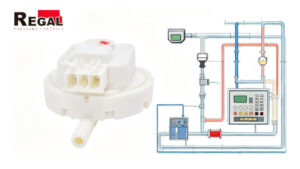
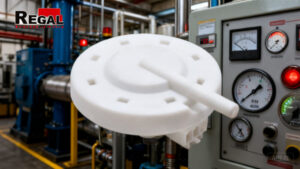
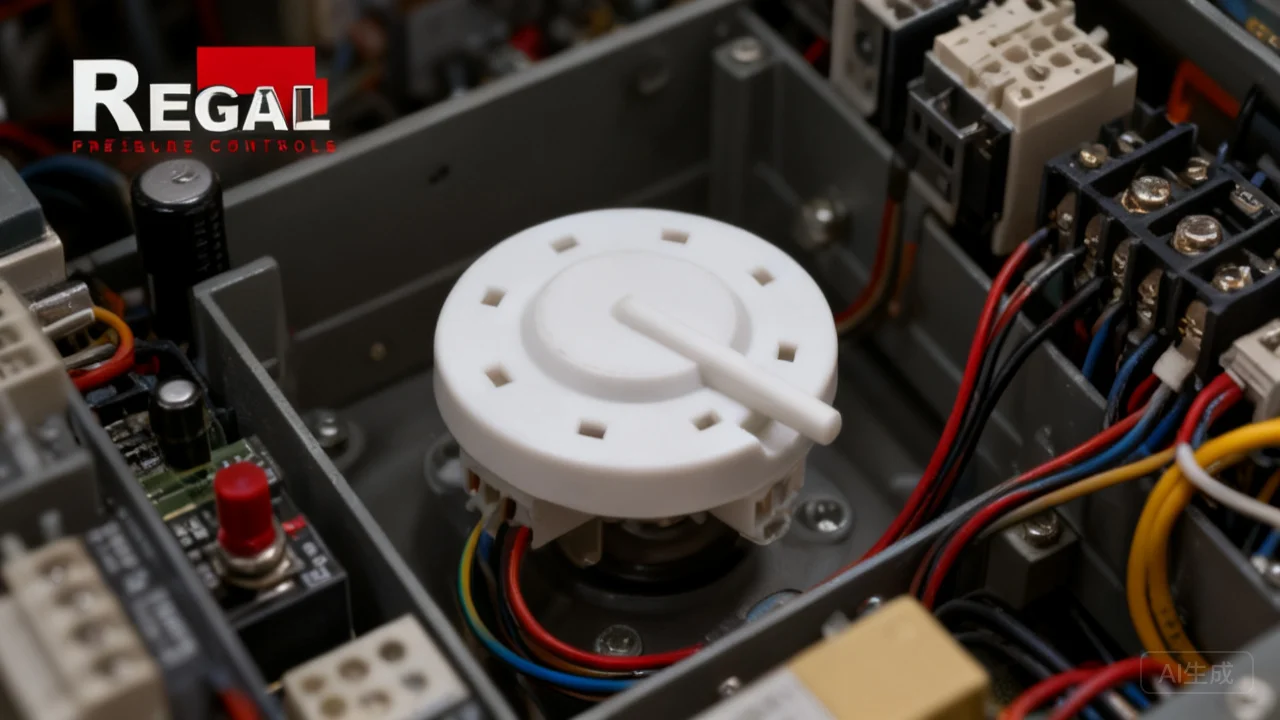
Pressure switches are electromechanical devices designed to monitor the pressure of fluids or gases and activate or deactivate an electrical contact when a predetermined pressure threshold is reached. These devices are fundamental for automation, control, and safety across countless industries.
- Pressostats pneumatiques : Widely utilized in HVAC systems, pneumatic controls, air compressors, and vacuum systems, air pressure switches ensure that air supply remains within specified operational limits. They prevent motors from running dry, trigger alarms, or initiate shutdown sequences to protect equipment and personnel. Their role is crucial in maintaining energy efficiency and preventing system damage from under or over-pressurization.
- Pressostats à eau : Essential in water pumping systems, irrigation, fire suppression, and industrial cooling, water pressure switches detect changes in water pressure. They automatically start or stop pumps to maintain desired water levels or flow, protect pumps from cavitation, and ensure consistent system performance. In critical applications like fire sprinklers, their reliability is non-negotiable for life safety.
The selection of a pressure switch involves considering factors such as operating pressure range, media compatibility, hysteresis, and environmental conditions to ensure precise and reliable performance.
Guarding Against Extremes: Water Level Switches & Sensors
Managing fluid levels is a critical aspect of many industrial processes, from chemical processing to wastewater treatment. Water level switches and sensors provide the necessary intelligence to prevent overflows, dry running, and optimize inventory management.
- Interrupteurs de niveau d'eau : These are point-level detection devices that trigger an action when a specific high or low liquid level is reached. Common types include float switches, conductive probes, and optical sensors. They are used in sumps, tanks, boilers, and reservoirs to activate pumps, sound alarms, or shut off valves, thereby preventing costly spills or damage to pumps from running without fluid.
- Capteurs de niveau d'eau : Unlike switches, level sensors provide continuous measurement of liquid levels, offering more granular data for process control. Ultrasonic, hydrostatic, and radar sensors are examples that provide analog or digital outputs proportional to the fluid level. This continuous data is invaluable for inventory management, precise dosing, and complex process automation, allowing for real-time adjustments and predictive maintenance strategies.
The choice between a switch and a sensor, or a combination thereof, depends on the precision required and the complexity of the level control application.
Le pouls du processus : capteurs de débit
Flow sensors are instrumental in measuring the rate of fluid or gas movement through a pipe or conduit. Accurate flow measurement is vital for process control, quality assurance, and resource management in industries ranging from chemical manufacturing to food and beverage production.
These devices can utilize various principles, including differential pressure, electromagnetic, ultrasonic, thermal, and Coriolis effects, to provide precise flow data. Applications include:
- Monitoring cooling water circulation in power plants.
- Controlling dosage in pharmaceutical manufacturing.
- Detecting leaks in pipelines.
- Optimizing fuel consumption in industrial furnaces.
By providing real-time data on flow rates, these sensors enable operators to maintain optimal process conditions, prevent wastage, ensure product consistency, and identify anomalies that could indicate system malfunctions.
La protection ultime : les soupapes de sécurité
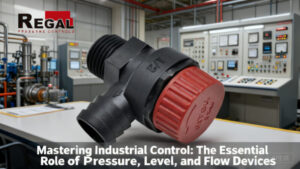
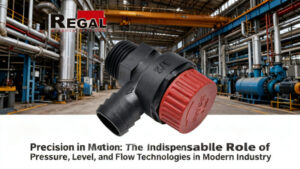
Perhaps the most critical safety device in any pressurized system is the safety relief valve. Designed to protect pressure vessels, pipelines, and equipment from overpressure, these mechanical devices automatically open to discharge excess fluid or gas when internal pressure exceeds a predetermined set point. Once the pressure returns to a safe level, the valve re-closes.
Safety relief valves are mandated by numerous industry standards and regulations (e.g., ASME Boiler and Pressure Vessel Code) due to their role in preventing catastrophic failures, explosions, and injuries. They are indispensable in:
- Boilers and heat exchangers.
- Chemical reactors.
- Oil and gas pipelines.
- Compressed air systems.
The proper sizing, selection, installation, and regular maintenance of safety relief valves are non-negotiable to ensure the integrity of the system and the safety of personnel. Their robust design and reliable operation are a last line of defense against potentially devastating incidents.
The Imperative of Quality Parts
For all these critical control components—pressure switches, level sensors, flow sensors, and safety relief valves—the longevity, accuracy, and safety of an industrial system are directly proportional to the quality of the parts utilized. Inferior components can lead to:
- Unreliable Performance: Inaccurate readings, false alarms, or failure to actuate when needed.
- Increased Downtime: Frequent failures necessitate repairs or replacements, leading to costly operational interruptions.
- Safety Risks: Malfunctioning safety devices can have catastrophic consequences, endangering lives and property.
- Regulatory Non-Compliance: Using sub-standard parts can lead to violations and legal repercussions.
Investing in high-quality, robustly engineered components from reputable manufacturers ensures greater reliability, extended service life, reduced maintenance costs, and, most importantly, enhanced safety for your operations. Material compatibility, environmental resistance (temperature, corrosion), and adherence to industry certifications are key considerations when selecting these vital parts.
Conclusion
Pressure switches, water level switches and sensors, flow sensors, and safety relief valves are more than just components; they are the foundational elements of industrial control and safety systems. Their precise operation enables automation, optimizes efficiency, and provides indispensable protection against operational hazards. For B2B enterprises, a comprehensive understanding and strategic implementation of these critical control components, coupled with an unwavering commitment to quality parts, are essential for building resilient, efficient, and safe industrial processes that stand the test of time.