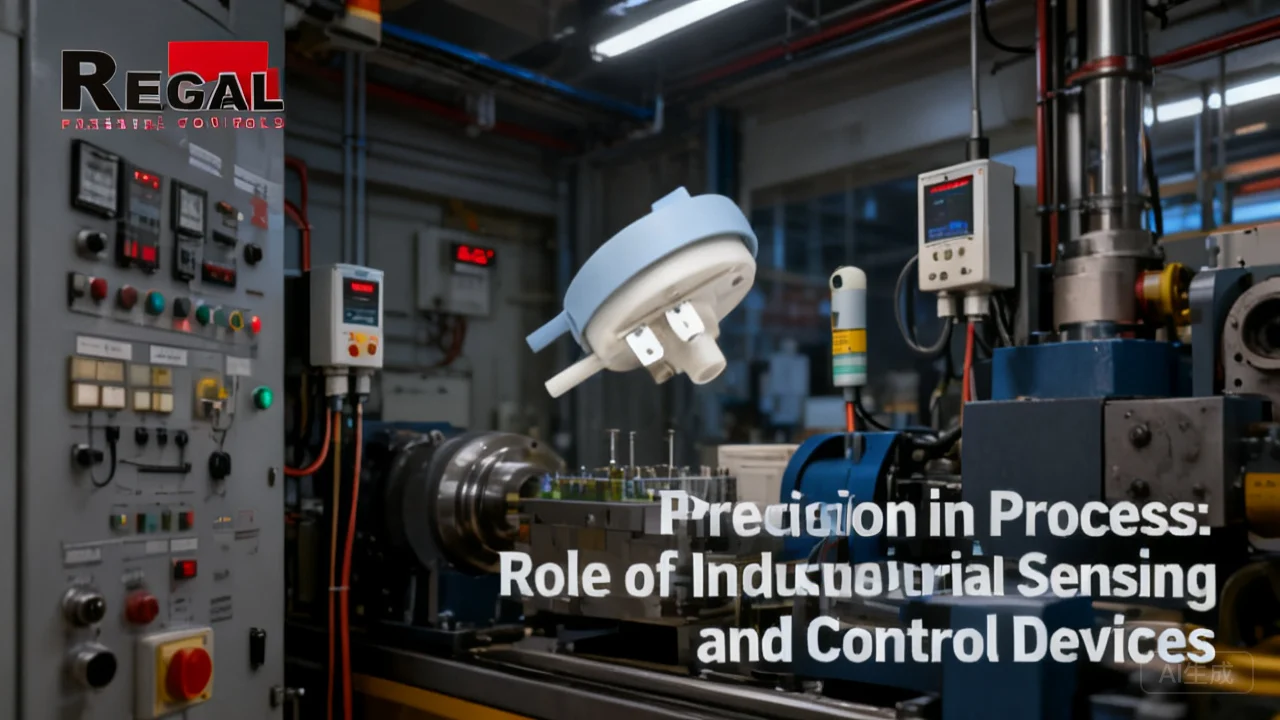
In the complex landscape of modern industrial operations, the ability to accurately monitor and control critical parameters is not merely an advantage—it is an absolute necessity. From manufacturing plants to water treatment facilities, and from HVAC systems to oil and gas pipelines, the seamless functioning and safety of equipment hinge on the performance of a specialized suite of sensing and control devices. These components, often unseen workhorses, are the eyes and ears of automated systems, providing the data and actuation needed to maintain efficiency, prevent failures, and ensure compliance with stringent safety standards.
Pressure Switches: Guardians Against Extremes
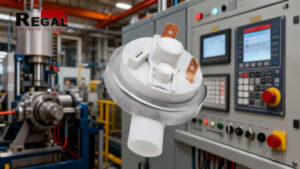
Pressure switches are fundamental components designed to monitor and respond to changes in fluid or gas pressure within a system. Their primary function is to trigger an electrical contact when pressure reaches a predetermined set point, initiating an action such as starting or stopping a pump, activating an alarm, or shutting down equipment. This critical capability prevents systems from operating outside their safe or optimal pressure ranges, protecting valuable machinery from damage and preventing hazardous conditions.
- Pressostats pneumatiques : Essential in pneumatic systems, HVAC units, and combustion processes, air pressure switches ensure that air flow and pressure are maintained within operational limits. They are crucial for monitoring filter status, proving fan operation, and safeguarding burners against insufficient air supply, thereby enhancing energy efficiency and preventing costly downtime.
- Pressostats à eau : Widely used in water pumps, irrigation systems, and industrial water treatment, these switches regulate water flow and pressure. They prevent pumps from dry-running, maintain consistent water supply, and protect pipelines from overpressure, ensuring reliable operation and extending the lifespan of water-handling equipment.
Water Level Switches & Sensors: Mastering Fluid Management
Managing fluid levels accurately is paramount in countless industrial applications, from chemical processing tanks to wastewater sumps. Water level switches and sensors provide the necessary intelligence to prevent costly overflows, avoid equipment damage due to low levels, and optimize inventory management.
- Interrupteurs de niveau d'eau : These devices detect when a liquid reaches a specific high or low point, triggering an on/off action. They are ideal for simple control tasks such as starting or stopping a pump to maintain a tank level, or for activating alarms in critical overflow situations. Their robust design makes them suitable for harsh industrial environments.
- Capteurs de niveau d'eau : Offering more granular control, water level sensors provide continuous measurement of liquid levels. Utilizing various technologies like ultrasonic, hydrostatic, or radar, these sensors deliver precise data to PLCs and control systems, enabling sophisticated automation, precise dosing, and real-time inventory tracking for improved operational efficiency.
Flow Sensors: The Pulse of Fluid Dynamics
Understanding and controlling the flow of liquids and gases is vital across industries. Flow sensors are engineered to measure the rate at which fluids move through a pipe or channel, providing critical data for process control, quality assurance, and resource management.
From monitoring coolant circulation in machinery to accurately dosing ingredients in a manufacturing process, flow sensors ensure that systems operate within specified parameters. They can detect blockages, leaks, or inefficient pump performance, allowing for proactive maintenance and preventing deviations that could compromise product quality or lead to significant waste. Applications span chemical processing, food and beverage production, water distribution networks, and pharmaceutical manufacturing, where precise flow rates are non-negotiable.
Safety Relief Valves: The Ultimate Fail-Safe
Perhaps no component underscores the importance of industrial safety more profoundly than the safety relief valve. These mechanical devices are designed to automatically release excess pressure from a system when it exceeds a predetermined maximum, preventing catastrophic equipment failure, explosions, and potential injury to personnel.
Operating entirely independently of external power or control signals, safety relief valves are the last line of defense in pressure vessels, boilers, pipelines, and chemical reactors. Their reliable operation is critical for compliance with safety regulations and for maintaining the integrity of high-pressure systems. Investing in high-quality, properly sized, and regularly inspected safety relief valves is an imperative for any facility dealing with pressurized fluids or gases.
The Importance of Quality Parts and Maintenance
The reliability of an entire industrial system is only as strong as its weakest link. For sensing and control devices, this translates directly to the quality of their constituent parts and the diligence of their maintenance. High-quality components ensure accuracy, longevity, and consistent performance, minimizing the risk of unexpected failures and the associated costs of downtime and repairs.
Regular calibration, preventative maintenance schedules, and timely replacement of worn or failing parts are crucial for ensuring these devices continue to perform their vital functions. Sourcing genuine, durable parts from reputable suppliers is not merely a purchasing decision; it is a strategic investment in the safety, efficiency, and long-term profitability of your industrial operations.
Conclusion: Integrated Control for Future-Proof Operations
Pressure switches, water level switches and sensors, flow sensors, and safety relief valves—each plays a distinct yet interconnected role in the symphony of industrial automation. Together, they form the bedrock of systems that are not only efficient and productive but, most importantly, safe and reliable. As industries continue to evolve, integrating these precision instruments with intelligent control systems will remain key to optimizing performance, reducing operational risks, and building robust, future-proof facilities. Understanding their function, ensuring their quality, and maintaining them meticulously is fundamental to achieving operational excellence in any B2B technical environment.