In the intricate world of industrial automation and process control, the seamless operation, efficiency, and safety of systems hinge upon the reliability of fundamental components. From managing fluid dynamics to preventing catastrophic failures, a specialized array of sensors and valves forms the indispensable backbone of modern industrial infrastructure. Understanding the nuanced roles of pressure switches, level sensors, flow sensors, and safety relief valves is paramount for any B2B professional aiming to optimize system performance and ensure compliance.
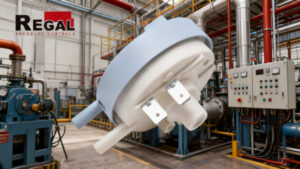
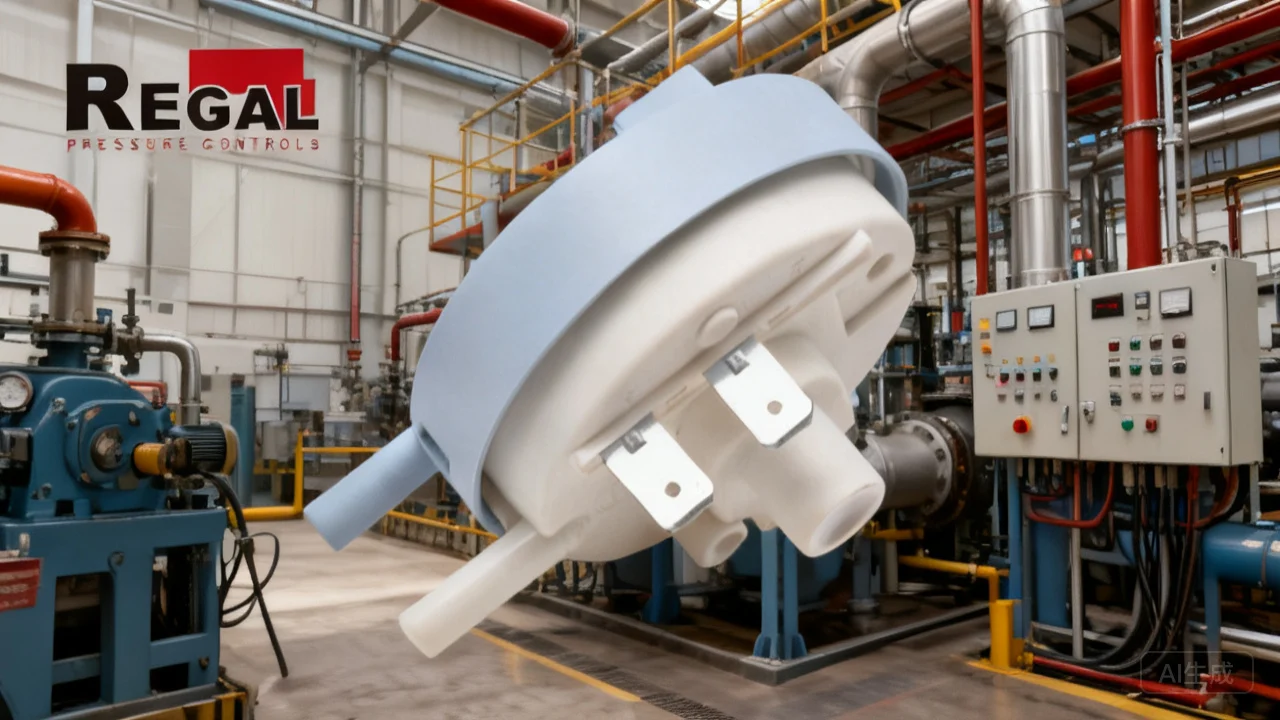
Pressure switches are electromechanical devices designed to monitor and respond to changes in pressure within a system. When the pressure reaches a predetermined set point, the switch actuates, opening or closing an electrical circuit. This simple yet critical function makes them vital for protecting equipment, automating processes, and ensuring operational safety across diverse applications.
Pressostats à air
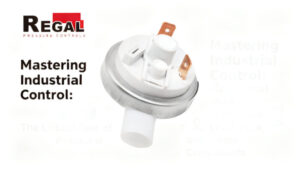
Specifically engineered for pneumatic systems, air pressure switches are instrumental in applications where precise air pressure monitoring is crucial. They are commonly found in:
- Systèmes de CVC : Monitoring duct pressure, fan operation, and filter status.
- Pneumatic Tools and Machinery: Ensuring optimal operating pressures for actuators, compressors, and air lines.
- Medical Gas Systems: Maintaining safe and consistent pressure levels for critical healthcare equipment.
- Industrial Compressors: Controlling compressor cycling and providing overpressure protection.
Their reliability ensures energy efficiency and prevents damage from pressure fluctuations.
Pressostats à eau
Water pressure switches serve a similar purpose but are specifically designed to withstand and operate within liquid environments. Their applications are widespread:
- Contrôle de la pompe : Automatically starting and stopping pumps in water supply, irrigation, and booster systems based on demand.
- Stations d'épuration des eaux : Monitoring pressure in filtration systems and distribution networks.
- Systèmes d'extinction d'incendie : Activating alarms or pumps when pressure drops below a safe threshold.
- Domestic and Industrial Boilers: Maintaining optimal water pressure for efficient heating and safety.
These switches are critical for maintaining system stability and preventing both under-pressure and over-pressure conditions that could lead to equipment failure or operational disruptions.
Water Level Control: Switches vs. Sensors
Managing liquid levels in tanks, sumps, and reservoirs is a fundamental requirement in many industries. This is achieved through two primary types of devices: water level switches and water level sensors.
Interrupteurs de niveau d'eau
Water level switches provide a simple, discrete output (on/off) when a specific liquid level is reached. They are ideal for basic control tasks:
- Pump Automation: Starting a pump to fill a tank when the level is low, or stopping it when the tank is full.
- High/Low Level Alarms: Triggering alerts to prevent overflows or dry-run conditions.
- Sump Pump Control: Automatically activating pumps to remove excess water from basements or industrial pits.
Common types include float switches, conductive probes, and optical switches.
Capteurs de niveau d'eau
Unlike switches, water level sensors provide continuous, analog, or digital output that corresponds to the exact liquid level. This allows for more precise monitoring, data logging, and sophisticated control strategies:
- Continuous Inventory Management: Real-time tracking of liquid volumes in storage tanks for chemical, fuel, or water reserves.
- Contrôle des processus : Maintaining precise levels in reaction vessels or mixing tanks.
- Environmental Monitoring: Tracking water levels in rivers, lakes, and wells for hydrological studies or flood prevention.
Technologies include ultrasonic, hydrostatic (pressure-based), radar, and guided wave radar sensors, each offering distinct advantages depending on the application’s specific requirements, such as fluid type, temperature, and tank geometry.
Capteurs de débit : le pouls de la dynamique des fluides
Flow sensors, also known as flow meters, are devices used to measure the rate of fluid (liquid or gas) movement through a pipe or conduit. Accurate flow measurement is crucial for process efficiency, quality control, and resource management.
- Process Verification: Ensuring correct ingredient proportions in mixing processes or verifying adequate cooling fluid circulation.
- Détection des fuites : Identifying abnormal flow rates that could indicate a leak in a pipeline or system.
- Pump Protection: Preventing pump damage from dry-run conditions or cavitation by ensuring minimum flow.
- Resource Management: Monitoring water consumption, fuel usage, or gas distribution for cost control and environmental compliance.
Different types of flow sensors, such as paddle wheel, magnetic, thermal, ultrasonic, and Coriolis meters, are selected based on the fluid characteristics, desired accuracy, and pipeline size.
Soupapes de sécurité : la protection ultime
Among the most critical components in any pressurized system is the safety relief valve. These mechanical devices are designed to automatically release excess pressure from a system, pipeline, or vessel when it exceeds a predetermined safe limit. Their primary function is to prevent catastrophic equipment failure, protect personnel, and safeguard the environment.
- Overpressure Protection: Essential in steam boilers, pressure vessels, pipelines, and chemical reactors where internal pressure could build up due to operational upsets, external fires, or thermal expansion.
- Conformité réglementaire : Mandated by numerous industry standards and regulations (e.g., ASME Boiler and Pressure Vessel Code) to ensure safe operation.
- Preventing Catastrophe: By relieving pressure before it reaches dangerous levels, these valves prevent explosions, ruptures, and uncontrolled releases of hazardous materials.
Safety relief valves are passive devices, meaning they operate without external power, relying solely on the pressure differential, making them inherently reliable for critical safety applications. Regular inspection and maintenance of these valves are non-negotiable for maintaining plant safety.
The Criticality of Quality Parts and Integrated Systems
The performance, longevity, and safety of industrial operations are directly tied to the quality of the individual components – the ‘parts’ – that make up the system. Using high-quality pressure switches, water level sensors, flow sensors, and safety relief valves ensures:
- Reliability and Accuracy: Precision engineering translates to consistent performance and accurate readings, minimizing errors and downtime.
- Durabilité: Components built with robust materials and manufacturing processes withstand harsh industrial environments, reducing the need for frequent replacements.
- Compliance: High-quality parts often come with certifications that ensure adherence to industry standards and regulations.
- Optimized System Performance: When integrated seamlessly, reliable parts contribute to overall system efficiency, energy savings, and reduced operational costs.
Investing in superior parts and ensuring proper installation and maintenance protocols are followed is not merely a cost; it is an investment in the long-term reliability, safety, and profitability of your industrial operations.
Conclusion
The array of devices – from precise pressure and level switches to continuous flow sensors and life-saving safety relief valves – are more than just components; they are the vigilant sentinels and critical enablers of modern industry. Their accurate functioning ensures optimal process control, maximizes efficiency, and, most importantly, protects assets and personnel. For B2B stakeholders, understanding and prioritizing the selection, integration, and maintenance of these essential sensors and valves is fundamental to building robust, safe, and highly efficient industrial systems that stand the test of time.