In the intricate world of industrial operations, precision, safety, and efficiency are not merely goals but foundational requirements. Achieving these benchmarks hinges significantly on the accurate monitoring and control of critical parameters such as pressure, flow, and fluid levels. This article explores the indispensable roles of pressure switches, water level sensors, flow sensors, and safety relief valves, offering insights into their selection and strategic deployment to optimize processes and safeguard assets.
Pressure switches are fundamental components in countless industrial applications, acting as vigilant sentinels that trigger actions based on predefined pressure thresholds. Whether an 空気圧スイッチ ensures optimal compressor operation or a 水圧スイッチ safeguards pump systems, their function is critical. They feature a sensing element (like a diaphragm) that deforms under pressure, activating an electrical contact at a specific set point.
- 空気圧スイッチ: Used in HVAC, pneumatic control, and industrial air compressors to maintain desired pressure ranges, prevent over-pressurization, or signal low-pressure conditions.
- 水圧スイッチ: Essential for pump control in water treatment, irrigation, and building management. They can start/stop pumps to maintain pressure, protect against dry-running, or detect leaks.
Selection factors include operating pressure range, set point accuracy, hysteresis, media compatibility, electrical rating, and environmental resilience (temperature, vibration, hazardous areas).
Precision in Fluid Management: Water Level Switches and Sensors
Managing fluid levels is paramount for preventing overflows, protecting equipment, and optimizing material usage. This is where 水位スイッチ そして Water Level Sensors play vital roles.
- 水位スイッチ: Provide discrete on/off signals at predetermined levels. Types include float and conductivity switches, ideal for simple high-level alarms, low-level pump cut-offs, or automatic filling/draining.
- 水位センサー: Offering continuous measurement, these devices provide an analog output (e.g., 4-20mA) proportional to fluid level. Technologies include ultrasonic (non-contact), hydrostatic (pressure-based), and radar. They are indispensable for precise inventory management, complex process control, and real-time monitoring in tanks, sumps, and reservoirs.
The choice between a switch and a sensor, and the specific technology, depends on required accuracy, fluid nature (viscosity, corrosiveness, foaming), tank geometry, and environmental factors.
Monitoring the Lifelines: Flow Sensors
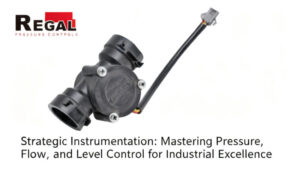
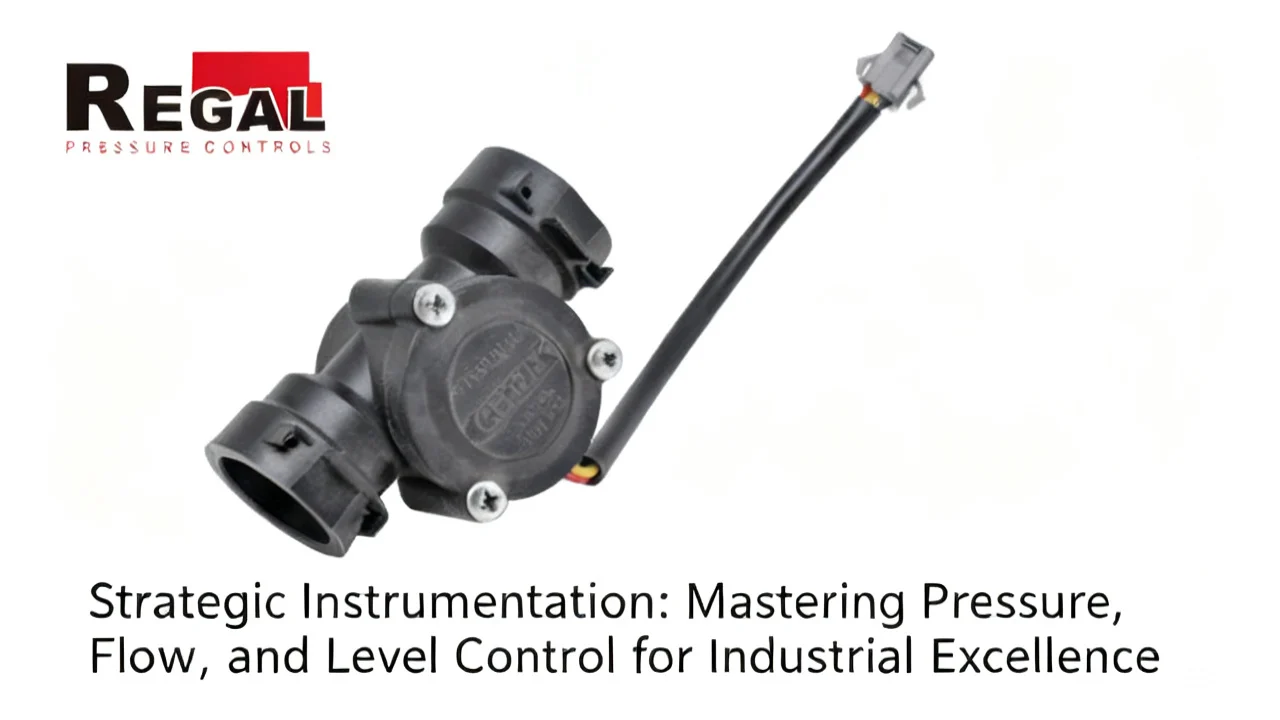
Accurate monitoring of fluid and gas flow is crucial for process control, quality assurance, and resource management. Flow Sensors are instrumental in these tasks, detecting flow presence or quantifying its rate.
- Types and Applications:
- Paddle Wheel Sensors: Cost-effective for water and low-viscosity fluids, providing pulse outputs for flow rate.
- Magnetic Flowmeters: Ideal for conductive liquids, offering high accuracy and minimal pressure drop, suitable for water, wastewater, and chemical processes.
- Ultrasonic Flowmeters: Non-invasive, perfect for corrosive or high-purity fluids, often used for large pipes or temporary measurements.
- Thermal Mass Flowmeters: Excellent for gases, directly measuring mass flow without needing pressure and temperature compensation.
- Differential Pressure Flowmeters: Utilize orifice plates, Venturi tubes, or nozzles to create a pressure drop proportional to flow, suitable for various fluids.
Selecting the right flow sensor involves considering fluid type, flow rate range, required accuracy, pressure/temperature limits, pipe size, and installation requirements. Accurate flow data is essential for optimizing dosing, preventing leaks, and ensuring process consistency.
The Ultimate Guardian: Safety Relief Valves
In any pressurized system, the risk of overpressure is a constant concern, posing significant threats to equipment integrity, personnel safety, and environmental protection. Here, the 安全リリーフバルブ (SRV) becomes an indispensable guardian.
SRVs are automatic pressure-relieving devices actuated by the static pressure upstream of the valve. They open rapidly and fully to prevent system pressure from exceeding a maximum allowable working pressure (MAWP), then reclose once pressure returns to a safe level. While often used interchangeably, ‘safety valve’ generally refers to devices for compressible fluids (like steam or gas) with rapid full-open action, whereas ‘relief valve’ refers to devices for incompressible fluids (like liquids) that open proportionally to the pressure increase.
Applications are ubiquitous: boilers, pressure vessels, pipelines, heat exchangers, and chemical reactors. Proper sizing, material selection (for media compatibility), and regular maintenance of SRVs and their 部品 are often regulatory mandates. Failure to maintain these critical components can lead to catastrophic failures, making them paramount in industrial safety protocol.
Strategic Integration and Selection for Operational Excellence
The true power of these individual components is realized through their strategic integration into a cohesive control system. When selecting pressure switches, water level sensors, flow sensors, and safety relief valves, a holistic approach is crucial:
- Application-Specific Requirements: Choose each device based on application demands: medium, operating conditions, and desired control outcome.
- Media Compatibility: Ensure wetted parts materials are compatible with the process fluid to prevent corrosion, degradation, and contamination.
- Operating Environment: Account for ambient temperature, humidity, vibration, and hazardous materials. IP ratings and NEMA classifications are critical.
- 精度と再現性: Different levels of precision may be required. Over-specifying can lead to unnecessary costs; under-specifying can compromise performance.
- 規制遵守: Especially for safety relief valves, adherence to industry standards (e.g., ASME, API) and local regulations is non-negotiable.
- Integration with Control Systems: Consider how these devices will communicate with PLCs, DCS, or SCADA systems. Digital outputs, analog signals (4-20mA), or fieldbus protocols are common.
- Maintenance and Longevity: Ease of maintenance, availability of spare 部品, and projected lifespan should influence selection. Investing in durable, high-quality components often yields long-term cost savings.
By meticulously evaluating these factors, businesses can build robust, reliable, and efficient industrial systems that meet operational demands and exceed safety standards. The right instrumentation transforms raw data into actionable intelligence, driving continuous improvement and sustainable growth.
In conclusion, the strategic deployment and meticulous maintenance of pressure switches, water level and flow sensors, and safety relief valves are cornerstones of modern industrial success. These devices are more than just components; they are critical enablers of efficiency, guardians of safety, and drivers of productivity. Investing in the right instrumentation and understanding their profound impact is key to future-proofing industrial operations in an increasingly complex world.