In the intricate world of industrial operations, a suite of often-overlooked components plays a pivotal role in ensuring efficiency, reliability, and, most critically, safety. From maintaining optimal fluid dynamics to preventing catastrophic failures, devices such as pressure switches, water level sensors, flow sensors, and safety relief valves are the unsung heroes that keep complex systems running smoothly. For B2B stakeholders – engineers, procurement specialists, and plant managers – understanding the nuanced applications and critical importance of these components is paramount to operational excellence.
Precision at Pressure Points: The Role of Pressure Switches
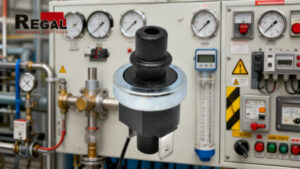
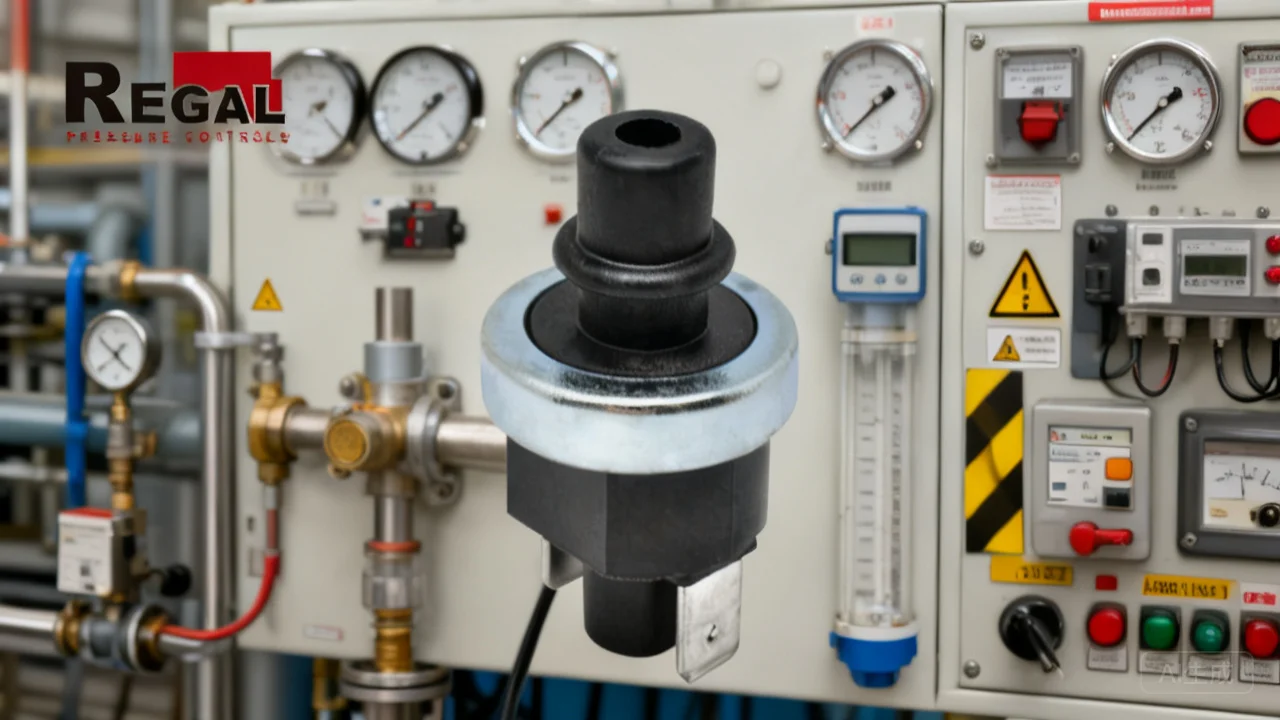
Pressure switches are essential control devices designed to monitor and respond to changes in pressure within a system. They act as guardians, triggering an action (like turning a pump on or off, or activating an alarm) when pressure exceeds or falls below a predetermined set point. Their reliability is fundamental to preventing equipment damage and maintaining process integrity.
- 空気圧スイッチ: Widely utilized in HVAC systems, pneumatic control panels, air compressors, and vacuum systems, air pressure switches ensure that air supply remains within safe and efficient operating parameters. They prevent over-pressurization that could damage equipment and ensure adequate pressure for critical processes.
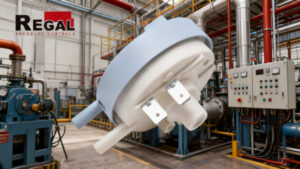
- 水圧スイッチ: These are indispensable in water management systems, including booster pumps, irrigation systems, water treatment plants, and fire suppression systems. A water pressure switch ensures consistent water supply, protects pumps from dry running, and can signal critical low-pressure events that might indicate a leak or system failure.
The precision and durability of these switches directly impact system uptime and maintenance costs, making robust selection crucial.
Mastering Liquid Levels: Water Level Switches and Sensors
Managing fluid levels is a critical aspect of many industrial processes, from chemical processing to wastewater treatment. Water level switches and sensors provide the necessary intelligence to control pumps, valves, and alarms, preventing overflows, dry running, and inefficient operations.
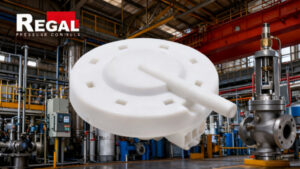
- 水位スイッチ: These typically offer a simple ON/OFF control based on a predefined liquid level. Common types include float switches (mechanical action), conductive switches (using probes and electrical conductivity), and optical switches (detecting the presence or absence of liquid via light). They are ideal for applications requiring discrete level detection, such as activating a pump to empty a sump or fill a tank.
- 水位センサー: Offering continuous measurement, water level sensors provide real-time data on liquid depth. Ultrasonic sensors (non-contact, using sound waves), hydrostatic sensors (measuring pressure exerted by the liquid column), and capacitive sensors (detecting changes in capacitance due to liquid presence) are common. These sensors are vital for applications requiring precise level monitoring, inventory management, and sophisticated process control.
Choosing between a switch and a sensor depends on the required level of control and data, with both playing a vital role in preventing costly spills, equipment damage, and production downtime.
Monitoring the Pulse of Production: Flow Sensors
Flow sensors are instrumental in measuring the rate or quantity of fluid (liquid or gas) moving through a pipe or channel. Accurate flow measurement is essential for process control, quality assurance, billing, and safety across a multitude of industries.
From monitoring coolant flow in HVAC systems to ensuring precise chemical dosing in manufacturing, flow sensors provide critical data. Types include:
- パドルホイールセンサー: Cost-effective for clean liquids, measuring flow by the rotation of a paddle wheel.
- Electromagnetic (Mag) Flow Sensors: Ideal for conductive liquids, offering high accuracy with no moving parts.
- Ultrasonic Flow Sensors: Non-intrusive, suitable for a wide range of fluids, including those with suspended solids.
- Thermal Mass Flow Sensors: Primarily for gases, measuring flow based on heat transfer.
The selection of a flow sensor is heavily dependent on the fluid type, required accuracy, pipe size, and environmental conditions, all of which impact the efficiency and safety of fluid management systems.
The Last Line of Defense: Safety Relief Valves
Perhaps the most critical components for industrial safety are safety relief valves. These devices are designed to automatically open and discharge fluid when the pressure inside a vessel or system exceeds a set limit, thereby preventing catastrophic failure due to over-pressurization. They are non-negotiable in systems handling high pressures, volatile substances, or where human safety is at stake.
Safety relief valves are mandated by numerous industry standards and regulations (e.g., ASME Boiler and Pressure Vessel Code). They protect:
- Boilers and pressure vessels
- Pipelines and piping systems
- Compressors and pumps
- Heat exchangers
Proper sizing, selection of materials, and regular maintenance of safety relief valves are paramount. A malfunctioning relief valve can lead to explosions, environmental hazards, and severe injuries or fatalities. Investing in certified, high-quality valves and adhering to strict inspection schedules is not just good practice; it’s a regulatory and ethical imperative.
The Foundation of Reliability: Quality Parts and Maintenance
The performance of any industrial control system is only as good as its weakest link. This underscores the importance of using high-quality, genuine parts for all components – be it the sensing element of a water level sensor, the diaphragm of a pressure switch, or the spring mechanism of a safety relief valve. Substandard parts can lead to premature failure, inaccurate readings, and compromised safety.
Furthermore, a robust preventive maintenance strategy is crucial. Regular calibration, inspection, and timely replacement of wear-and-tear parts extend the lifespan of these critical devices, ensure their accuracy, and prevent unexpected downtime. Training personnel on proper installation, troubleshooting, and maintenance procedures for these components is an investment that pays dividends in operational continuity and safety.
適切なコンポーネントの選択:重要な考慮事項
When specifying these essential industrial controls, B2B decision-makers must consider several factors:
- アプリケーションの詳細: What is the media (air, water, chemicals)? What are the operating temperatures and pressures?
- 精度と再現性: How precise does the measurement or activation need to be?
- 材質適合性: Will the component’s materials withstand the media and environment (e.g., corrosive liquids, high humidity)?
- Certifications and Standards: Does the component meet relevant industry standards (e.g., NEMA ratings for enclosures, ASME for relief valves)?
- Durability and Lifespan: How long is the component expected to last under operational conditions?
- Installation and Maintenance: How easy is it to install, calibrate, and service?
結論
Pressure switches, water level switches and sensors, flow sensors, and safety relief valves are more than just parts; they are the bedrock of reliable, efficient, and safe industrial operations. By understanding their functions, selecting appropriate types, and committing to rigorous maintenance, businesses can significantly enhance their operational performance, protect valuable assets, and ensure the well-being of their personnel. Investing in high-quality components and comprehensive management strategies is not merely a cost; it is an investment in the sustained success and safety of any industrial enterprise.