In the intricate world of industrial operations, precision, safety, and efficiency are not just goals—they are prerequisites for success. At the heart of achieving these critical objectives lie a suite of often-overlooked yet utterly indispensable components: pressure switches, water level switches and sensors, flow sensors, and safety relief valves. These devices are the silent sentinels, constantly monitoring, measuring, and protecting vital processes across countless sectors, from manufacturing and HVAC to water treatment and chemical processing. Understanding their functions, applications, and the synergy they create is paramount for any business striving for optimal performance and unwavering safety.
The Unsung Heroes: Pressure Switches
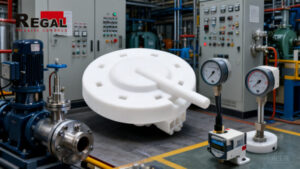
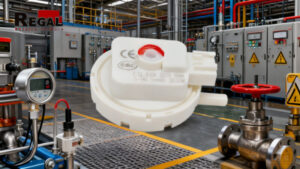
圧力スイッチ are electromechanical devices designed to respond to a change in pressure. When the pressure in a system reaches a predetermined set point, the switch will either open or close an electrical contact, initiating or stopping an action. Their simplicity belies their critical importance in preventing damage, ensuring operational safety, and controlling automated sequences.
空気圧スイッチ
Designed specifically for gaseous media, 空気圧スイッチ are vital in applications ranging from HVAC systems, where they monitor duct pressure and ensure proper airflow, to industrial compressors and pneumatic machinery, where they protect equipment from over-pressurization or signal low-pressure conditions that could indicate a leak or malfunction. They play a key role in energy management and system diagnostics.
水圧スイッチ
同様に、, 水圧スイッチ are engineered for liquid systems. They are commonly found in water pumps, booster systems, and irrigation networks, regulating pressure to maintain consistent flow or prevent dry-running conditions that could damage pumps. In industrial cooling systems or hydraulic power units, they provide critical feedback for process control and safety interlocks, ensuring operations remain within safe pressure envelopes.
Precision in Tanks and Vats: Water Level Switches & Sensors
Managing liquid levels accurately is crucial for process control, inventory management, and preventing costly spills or equipment damage. 水位スイッチ そして 水位センサー are the guardians of liquid containment, offering precise and reliable level detection.
水位スイッチ
These devices typically provide a discrete output (on/off) when a specific liquid level is reached. Common types include float switches, which physically rise and fall with the liquid, and conductive probes, which detect the presence of liquid between two electrodes. They are essential for activating pumps to fill or empty tanks, triggering alarms for high or low levels, and preventing overflows in sumps, boilers, and storage tanks.
水位センサー
Offering continuous measurement, 水位センサー provide a proportional output (e.g., 4-20mA, 0-10V) that indicates the exact liquid level. Technologies like ultrasonic, hydrostatic (pressure-based), and radar sensors are employed for various applications, from monitoring chemical inventories and wastewater treatment processes to ensuring precise dosing in manufacturing. Their continuous data output allows for sophisticated process optimization and predictive maintenance strategies.
Monitoring the Pulse: Flow Sensors
The ability to accurately measure and monitor the flow of liquids and gases is fundamental to efficiency, quality control, and safety in many industrial processes. 流量センサー (also known as flow meters) provide this critical insight.
These devices come in various technologies, each suited for different media and applications:
- Paddle Wheel Flow Sensors: Cost-effective for water and low-viscosity fluids.
- Electromagnetic Flow Sensors: Ideal for conductive liquids, unaffected by pressure or temperature changes.
- Thermal Mass Flow Sensors: Excellent for gas flow measurement, providing high accuracy even at low flow rates.
- Ultrasonic Flow Sensors: Non-intrusive, suitable for a wide range of liquids, often used for clean and dirty water.
Flow sensors are indispensable in chemical dosing, irrigation systems, HVAC chillers, and process lines where precise control over fluid movement is necessary to maintain product quality, optimize consumption, and detect leaks or blockages promptly.
The Ultimate Safeguard: Safety Relief Valves
While switches and sensors provide control and monitoring, 安全弁 are the last line of defense against catastrophic overpressure events. These mechanical devices are designed to automatically open and discharge fluid when the system pressure exceeds a predetermined safe limit, thereby protecting equipment, personnel, and the environment from potentially explosive failures.
Integral to pressure vessels, boilers, pipelines, and any closed system containing pressurized fluids or gases, safety relief valves are non-negotiable components for compliance with safety regulations and ensuring operational integrity. Regular inspection and maintenance of these vital parts are paramount, as their failure could have devastating consequences.
Synergy for System Integrity: How They Work Together
The true power of these components emerges when they are integrated into a cohesive system. A water treatment plant, for example, might use a water level sensor to continuously monitor the level in a clarifier, with a water level switch providing an emergency high-level alarm. A flow sensor measures the influent rate, while pressure switches monitor pump discharge and filter backwash pressures. Should any pressure exceed a safe threshold, a safety relief valve ensures the system remains protected, preventing rupture.
This interconnectedness allows for:
- 安全性の向上: Multiple layers of protection against operational hazards.
- Improved Efficiency: Optimized resource use, reduced energy consumption, and precise process control.
- Reduced Downtime: Early detection of issues prevents minor problems from escalating into major failures.
- 規制遵守: Meeting stringent industry standards and safety mandates.
Selecting the Right Solution and Ensuring Longevity
Choosing the correct pressure switch, water level sensor, flow sensor, or safety relief valve requires careful consideration of several factors: the media type, pressure and temperature range, environmental conditions, required accuracy, and specific application needs. Partnering with a knowledgeable supplier who offers a comprehensive range of high-quality 部品 and provides expert guidance is crucial.
Furthermore, the longevity and reliability of these components hinge on proper installation, regular calibration, and preventative maintenance. Investing in durable, high-performance parts not only ensures operational continuity but also contributes significantly to the overall safety and profitability of industrial enterprises.
結論
Pressure switches, water level switches and sensors, flow sensors, and safety relief valves are far more than mere components; they are the bedrock of modern industrial automation and safety. By providing critical data, control, and protection, they empower businesses to operate with unparalleled efficiency, precision, and peace of mind. For any industrial operation, understanding and strategically deploying these essential devices is not just good practice—it’s a fundamental requirement for sustainable success in a demanding world.