In the intricate world of industrial automation and process control, the seamless operation, safety, and efficiency of systems hinge on the precise functioning of various sensing and control components. From regulating fluid dynamics to preventing catastrophic overpressure events, devices like pressure switches, water level sensors, flow sensors, and safety relief valves are the unsung heroes ensuring operational integrity. This article explores the vital roles, diverse applications, and key considerations for selecting these essential ‘parts’ that form the backbone of modern industrial infrastructure.
Precision in Pressure: Air and Water Pressure Switches
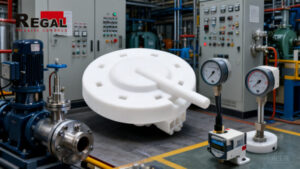
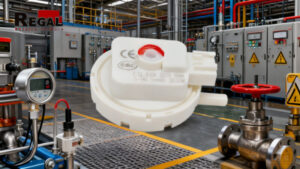
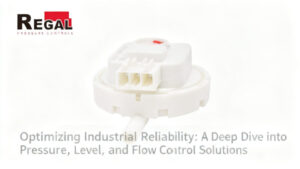
Pressure switches are electromechanical devices designed to detect a specific pressure threshold and trigger an electrical contact, thereby activating or deactivating a connected circuit. They are fundamental for monitoring and controlling pressure in a vast array of applications.
- 空気圧スイッチ: Widely used in HVAC systems, pneumatic equipment, compressors, and vacuum systems, air pressure switches ensure that air pressure remains within safe and operational limits. For instance, in an air compressor, a pressure switch might cut off the motor once the tank reaches its maximum pressure and restart it when the pressure drops below a set minimum.
- 水圧スイッチ: Essential for pump control, irrigation systems, and industrial water lines, these switches monitor water pressure to protect equipment, prevent leaks, and optimize fluid delivery. They can activate booster pumps when water pressure falls, or shut down systems if pressure exceeds safe levels.
Key Selection Criteria: When choosing a pressure switch, consider the operating pressure range, media compatibility (air, water, oil, etc.), set point accuracy and hysteresis, electrical rating, and environmental conditions (temperature, vibration).
Monitoring the Unseen: Water Level Switches and Sensors
Managing fluid levels is critical in tanks, sumps, boilers, and wastewater treatment plants. Water level switches and sensors provide the necessary intelligence to prevent overflows, run-dry conditions, and ensure optimal process control.
- 水位スイッチ: These typically provide a discrete ON/OFF signal when a specific liquid level is reached. Common types include float switches (mechanical buoyancy), conductive probes (detecting conductivity between electrodes), and optical switches (using light refraction). They are ideal for simple high/low level alarms or pump control.
- 水位センサー: Offering continuous measurement, these devices provide a proportional output (e.g., 4-20mA, 0-10V) that corresponds to the liquid level. Technologies include ultrasonic (non-contact, using sound waves), hydrostatic (measuring pressure exerted by the liquid column), and radar (using electromagnetic waves). These are crucial for precise inventory management, process optimization, and complex control loops.
Key Selection Criteria: Factors include accuracy requirements, measurement range, media chemical compatibility, temperature range, mounting options, and output signal type.
The Pulse of the System: Flow Sensors
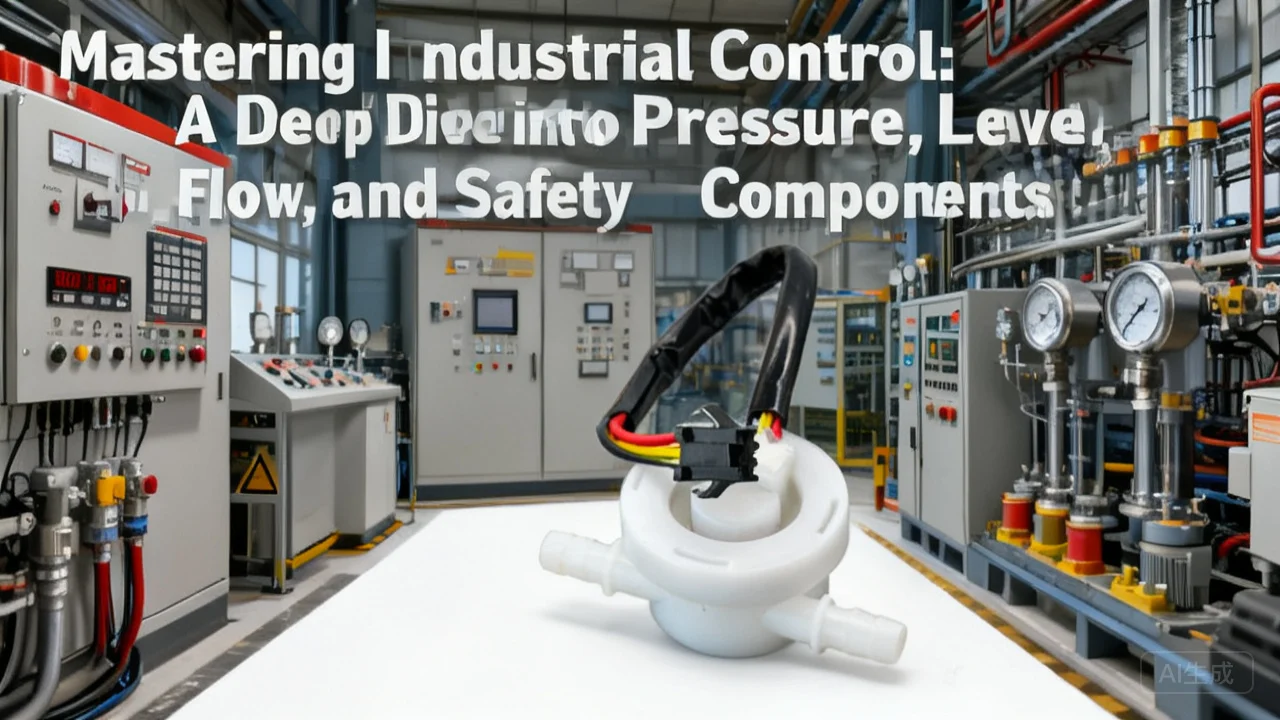
Flow sensors are instrumental in monitoring the movement of fluids (liquids or gases) through a pipe or channel. They provide critical data for process control, efficiency monitoring, and safety in applications ranging from chemical dosing to irrigation and HVAC.
- Types and Technologies:
- Paddle Wheel Flow Sensors: Cost-effective, suitable for clean liquids, and provide a pulse output proportional to flow.
- Electromagnetic (Mag) Flow Meters: Ideal for conductive liquids, slurries, and wastewater, offering high accuracy with no moving parts and minimal pressure drop.
- 超音波流量計: Non-invasive, suitable for a wide range of fluids, including corrosive ones, and can be clamp-on or in-line.
- Thermal Mass Flow Sensors: Primarily for gases, measuring heat transfer to determine mass flow rate.
Key Selection Criteria: Consider the fluid type (liquid/gas, viscosity, conductivity), required flow rate range, accuracy, pressure drop tolerance, temperature and pressure ratings, and output signal. Understanding the specific process requirements is paramount for optimal selection.
究極の守護者:安全リリーフバルブ
Perhaps the most critical safety device in many industrial systems, safety relief valves (SRVs) are designed to protect pressure vessels, pipelines, and equipment from overpressure. They automatically open to discharge excess fluid when the system pressure exceeds a predetermined set pressure, thereby preventing catastrophic failure and ensuring personnel safety.
- Functionality: When the system pressure reaches the valve’s set point, the force exerted by the fluid on the valve disc overcomes the opposing force of a spring (in spring-loaded types) or a pilot mechanism (in pilot-operated types), causing the valve to open rapidly and relieve pressure. Once the pressure drops below the set point, the valve re-closes.
Key Considerations: Proper sizing of an SRV is absolutely critical and involves complex calculations based on the system’s maximum possible relief capacity. Other factors include the set pressure, blowdown (the difference between set pressure and reseating pressure), fluid characteristics (compressible/incompressible), material compatibility, and applicable industry standards (e.g., ASME). Regular inspection and maintenance are indispensable for ensuring their reliable operation.
The Interconnected System: Importance of Quality Parts
Each of these components – pressure switches, water level switches and sensors, flow sensors, and safety relief valves – plays a distinct yet interconnected role in the overall health and safety of industrial operations. The reliability of an entire system is only as strong as its weakest link. Therefore, investing in high-quality, robust, and appropriately specified ‘parts’ is not merely an operational expense but a fundamental commitment to efficiency, safety, and long-term operational integrity. Manufacturers and system integrators must prioritize components that offer durability, accuracy, and compliance with relevant industry standards.
結論
From the subtle flick of a pressure switch to the life-saving action of a safety relief valve, these critical components are indispensable for modern industrial control. Understanding their principles, applications, and meticulous selection criteria is paramount for designing, implementing, and maintaining systems that are not only efficient and productive but also inherently safe and reliable. By carefully choosing the right pressure, level, flow, and safety devices, industries can ensure continuous operation, protect valuable assets, and safeguard personnel, ultimately fostering a more robust and resilient operational environment.