In the complex world of industrial processes, the margin for error is often razor-thin. Whether dealing with volatile chemicals, high-pressure systems, or critical fluid management, the reliability of your control and safety mechanisms is paramount. This is where a suite of specialized devices—pressure switches, level sensors, flow sensors, and safety relief valves—emerges as the unsung heroes, silently working to maintain operational integrity, optimize efficiency, and, most critically, safeguard personnel and assets.
Modern industrial facilities demand precision, not just for product quality but also for environmental compliance and workplace safety. Understanding the nuances and applications of these critical components is key to building robust, resilient, and regulation-compliant systems.
Pressure Switches: The Foundation of Process Monitoring
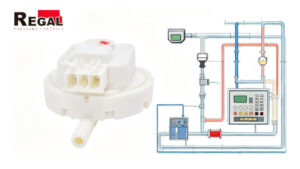
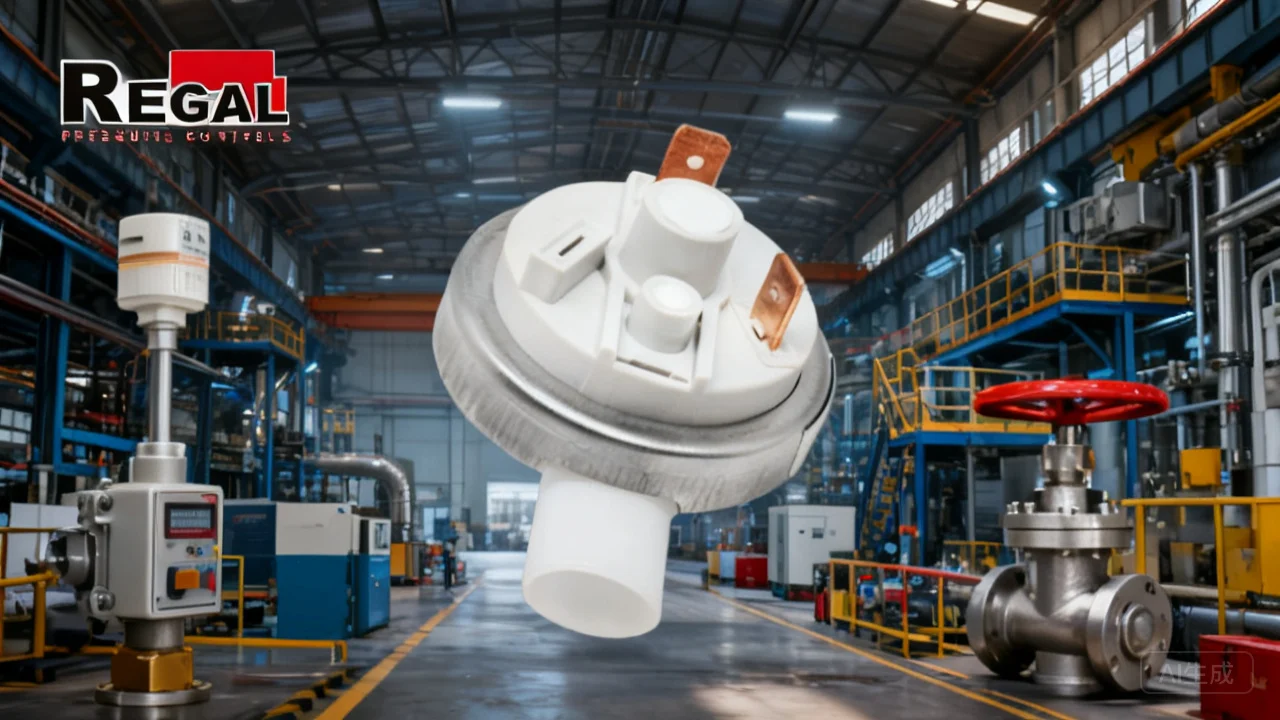
At their core, pressure switches are electromechanical devices designed to convert a pressure change into an electrical signal, typically an open or closed contact. This simple yet powerful mechanism allows for automated control and alarm functions based on predefined pressure thresholds. They are ubiquitous across industries, from manufacturing to energy production.
- Interruptores de pressão de ar: Essential for pneumatic systems, HVAC applications, and cleanroom environments. These switches monitor differential pressure in filters, detect blockages in ventilation systems, or ensure adequate air supply to critical equipment like air compressors and dust collectors. Their precision prevents system overloads and guarantees optimal air quality and flow.
- Interruptores de pressão de água: Crucial for maintaining desired pressure levels in water-based systems. They are commonly found in booster pump applications, irrigation systems, fire suppression networks, and water treatment plants. By activating or deactivating pumps, they prevent both over-pressurization and insufficient flow, protecting equipment and ensuring consistent supply.
Water Level Switches & Sensors: Managing Liquid Assets with Accuracy
Managing liquid levels accurately is vital for preventing costly spills, ensuring continuous supply, and optimizing chemical dosing processes. The choice between a switch and a sensor often depends on whether simple on/off control or continuous measurement is required.
- Interruptores de nível de água: These devices provide discrete outputs, signaling when a liquid level reaches a specific high or low point. They are ideal for preventing tank overflows, protecting pumps from running dry in sumps, or triggering alarms in flood detection systems. Float switches are a common type, offering reliable mechanical operation.
- Sensores de nível de água: For applications requiring continuous, real-time data on liquid levels, sensors are the go-to solution. Technologies range from ultrasonic sensors that measure distance to the liquid surface, to hydrostatic sensors that measure the pressure exerted by the liquid column. These provide critical data for inventory management, process automation, and advanced control systems, allowing for precise adjustments and predictive maintenance.
Flow Sensors: Monitoring the Pulse of Your Process
The movement of fluids—liquids or gases—is often a direct indicator of process health and efficiency. Flow sensors are engineered to detect the presence, absence, or rate of flow within a pipeline or system.
They play a critical role in:
- Process Optimization: Ensuring correct chemical dosing rates, monitoring cooling water circulation, or verifying product transfer volumes.
- Leak Detection: Rapidly identifying unexpected drops in flow that could indicate a leak, preventing material loss and environmental damage.
- Proteção de equipamentos: Preventing pumps or heaters from operating without adequate fluid flow, which could lead to damage or catastrophic failure.
From simple paddle-wheel designs to sophisticated electromagnetic or ultrasonic technologies, flow sensors provide invaluable insight into the dynamic aspects of fluid management.
Safety Relief Valves: The Last Line of Defense Against Catastrophe
While switches and sensors are critical for control and efficiency, safety relief valves (SRVs) are the ultimate safeguard against dangerous overpressure conditions. These mechanical devices are designed to automatically open and discharge excess pressure from a system when a predetermined set point is reached, then reclose once the pressure returns to a safe level.
Their importance cannot be overstated. In systems containing boilers, pressure vessels, pipelines, or chemical reactors, an uncontrolled pressure buildup can lead to equipment rupture, explosions, and severe harm to personnel and the environment. SRVs are mandated by numerous industry standards and regulations, acting as a passive yet absolutely critical component in ensuring plant and personnel safety. Regular inspection, maintenance, and proper sizing of SRVs are non-negotiable aspects of industrial safety protocols.
The Power of Quality Parts: Ensuring Reliability and Longevity
Each of these devices—pressure switches, air pressure switches, water pressure switches, water level switches, water level sensors, flow sensors, and safety relief valves—is only as effective as its quality and the integrity of its components. Investing in high-quality parts from reputable suppliers is not merely a cost; it’s an investment in the reliability, safety, and longevity of your entire operation.
Reliable components reduce the likelihood of unexpected failures, minimize downtime, and ensure consistent performance. Furthermore, access to genuine replacement parts and expert technical support is crucial for effective maintenance, calibration, and troubleshooting, extending the lifespan of your systems and ensuring continuous compliance with safety standards.
Conclusion: Integrating for Operational Excellence
The synergy between precise monitoring (switches and sensors) and robust protection (safety relief valves) forms the bedrock of modern industrial automation and safety. These devices, often operating out of sight, are indispensable for managing complex processes, safeguarding valuable assets, and ensuring the well-being of your workforce. By understanding their individual roles and collective importance, industries can achieve unparalleled levels of efficiency, compliance, and operational resilience. Investing in advanced, high-quality solutions in these areas is not just good practice—it’s essential for future-proofing your operations in an increasingly demanding industrial landscape.