In the complex tapestry of modern industrial operations, precision, safety, and efficiency are paramount. Achieving these benchmarks relies heavily on a sophisticated network of control devices that continuously monitor and regulate critical parameters. From maintaining optimal pressure levels to ensuring fluid flow and preventing catastrophic overpressure, a range of specialized switches, sensors, and valves work tirelessly behind the scenes. This article explores the vital roles of these components, highlighting their functionalities, applications, and the importance of selecting high-quality parts for robust system integrity.
Precision Monitoring: Pressure Switches for Air and Water
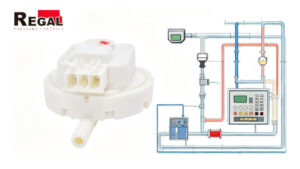
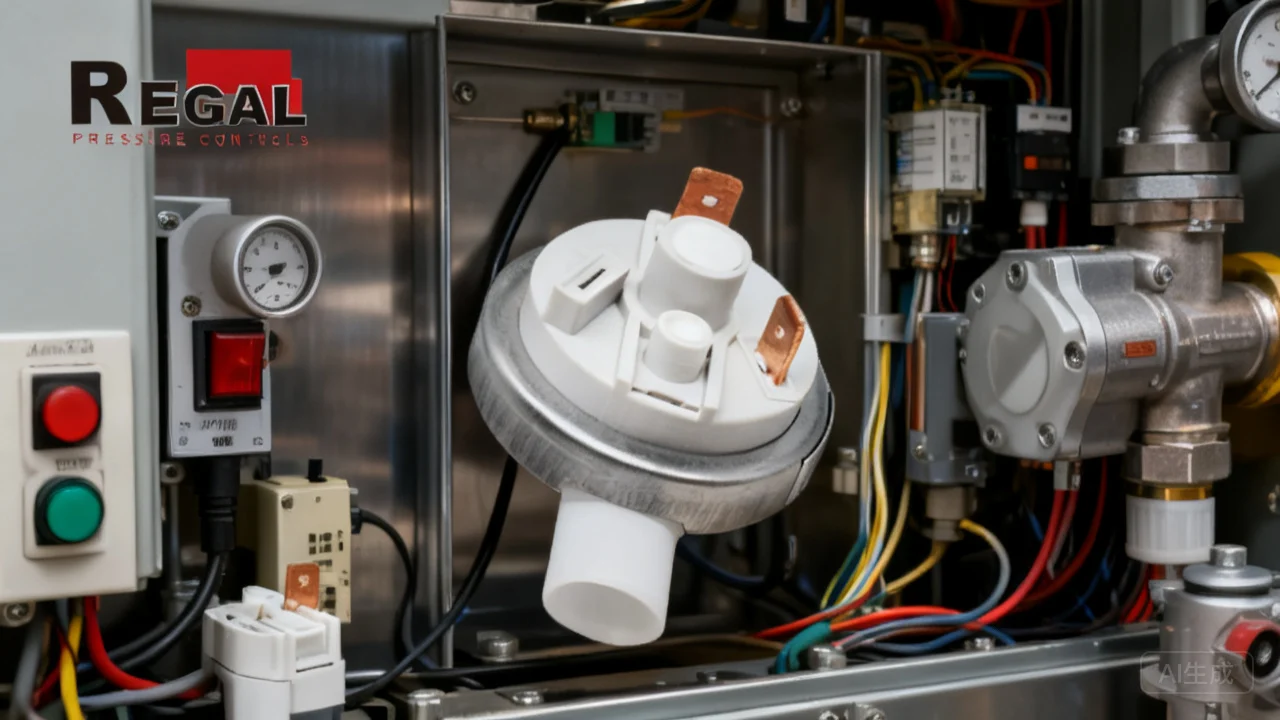
Pressure switches are fundamental components designed to monitor and respond to changes in fluid or gas pressure within a system. They act as guardians, triggering an electrical contact when a predefined pressure threshold is reached, either opening or closing a circuit. This simple yet critical function makes them indispensable across a multitude of industries.
Interruptores de pressão de ar
Air pressure switches are commonly found in pneumatic systems, HVAC applications, and industrial compressors. They ensure that air lines maintain specific pressures, preventing damage to equipment or ensuring consistent performance. For instance, in HVAC systems, they can monitor fan operation or filter status, while in industrial settings, they might control air tools or pneumatic actuators. Their robust design allows them to withstand harsh industrial environments, providing reliable feedback for automated processes.
Interruptores de pressão de água
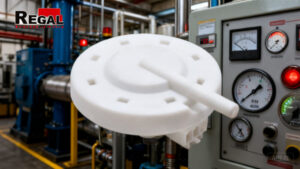
Water pressure switches are vital for managing liquid systems, particularly in pump control, irrigation, and water treatment plants. They activate or deactivate pumps based on water demand or tank levels, maintaining constant pressure in supply lines or preventing pumps from dry-running. Selecting the appropriate water pressure switch involves considering factors like setpoint accuracy, pressure range, and material compatibility to ensure longevity and consistent performance in corrosive or high-purity applications.
Leveling Up Control: Water Level Switches and Sensors
Managing liquid levels is crucial for preventing overflows, ensuring adequate supply, and protecting equipment. Both water level switches and sensors play distinct but complementary roles in this aspect of industrial control.
Interruptores de nível de água
Water level switches provide discrete (on/off) signals when a specific liquid level is reached. Common types include float switches, which mechanically activate a contact as the liquid level rises or falls, and conductivity probes, which detect the presence of liquid by completing an electrical circuit. These are widely used in sump pumps, wastewater treatment, boiler feed control, and tank level alarms, offering simple yet effective point-level detection.
Sensores de nível de água
In contrast to switches, water level sensors provide continuous measurement of liquid levels, offering analog or digital output that corresponds to the exact height of the liquid. Technologies such as ultrasonic sensors (non-contact), hydrostatic sensors (pressure-based), and capacitive sensors (dielectric changes) are employed for precise monitoring. These sensors are critical for process optimization, inventory management in large tanks, and advanced automation systems where real-time level data is essential for complex control algorithms.
O pulso do sistema: sensores de fluxo
Understanding and controlling the flow rate of liquids and gases is fundamental to many industrial processes. Flow sensors are engineered to measure the volume or mass of a fluid moving through a pipe or conduit over time, providing crucial data for efficiency, quality control, and safety.
Various types of flow sensors cater to different applications: turbine flowmeters for clean liquids, electromagnetic flowmeters for conductive fluids, ultrasonic flowmeters for non-invasive measurement, and vortex flowmeters for steam and gases. Applications span chemical dosing, precise ingredient mixing in food and beverage, monitoring cooling water circulation, and ensuring proper ventilation. Accurate flow measurement helps prevent wastage, optimizes reaction times, and ensures compliance with process specifications.
The Ultimate Safety Net: Safety Relief Valves
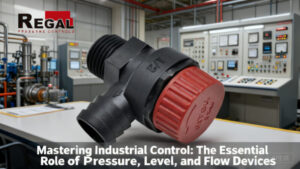
While switches and sensors focus on control and monitoring, safety relief valves (SRVs) are purely safety devices, designed to protect systems, equipment, and personnel from the dangers of overpressure. They are passive mechanical devices that automatically open to discharge excess pressure and then reclose once the pressure returns to a safe level.
SRVs are non-negotiable in systems handling pressurized fluids or gases, including boilers, pressure vessels, pipelines, and chemical reactors. They are distinct from pressure reducing valves, which regulate downstream pressure. The correct selection, sizing, installation, and regular maintenance of safety relief valves are critical, as their failure can lead to catastrophic equipment failure, environmental damage, or severe injury. Compliance with industry standards and regulations is paramount for these life-saving components.
The Importance of Quality Parts and System Integration
Each of these components—pressure switches, water level sensors, flow sensors, and safety relief valves—plays a pivotal role in isolation. However, their true power lies in their integration into a cohesive control system. The reliability of the entire system is only as strong as its weakest link. Therefore, investing in high-quality, durable parts from reputable manufacturers is not merely a purchasing decision; it’s a strategic investment in operational uptime, safety compliance, and long-term cost efficiency.
Proper installation, regular calibration, and routine maintenance are equally important to ensure these devices perform as intended throughout their lifecycle. From ensuring precise readings to guaranteeing instantaneous safety responses, the integrity of each part contributes directly to the overall resilience and performance of industrial operations.
Conclusão
The intricate world of industrial control is built upon the dependable performance of essential components like pressure switches, water level sensors, flow sensors, and safety relief valves. These devices are the silent workhorses that enable automation, safeguard processes, and protect valuable assets and human lives. By understanding their functions, appreciating their critical importance, and prioritizing quality in selection and maintenance, industries can achieve unparalleled levels of efficiency, safety, and reliability in their operations.