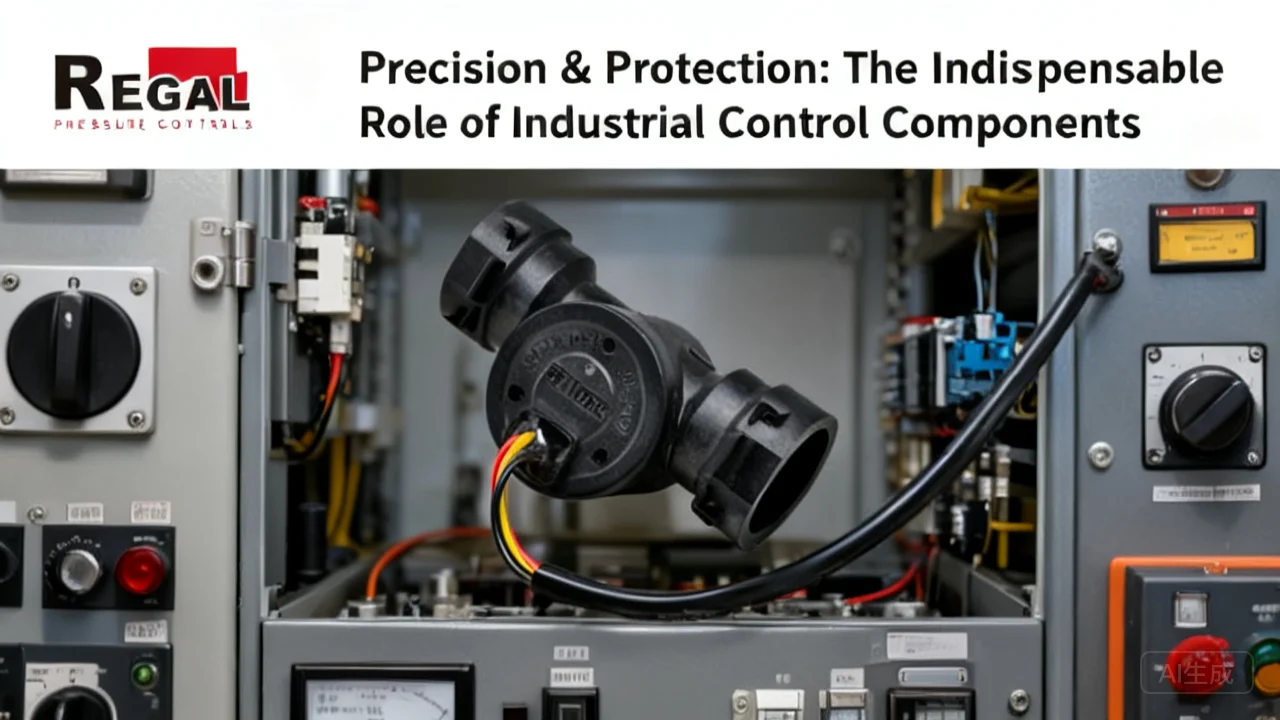
Na complexa teia das operações industriais modernas, eficiência, segurança e confiabilidade são fundamentais. Atingir esses objetivos críticos muitas vezes depende do desempenho de componentes aparentemente pequenos, mas profundamente significativos: pressostatos, sensores de nível de água, sensores de fluxo e válvulas de alívio de segurança. Esses dispositivos são os sentinelas silenciosos de inúmeros sistemas, garantindo que os processos funcionem sem problemas, evitando paradas dispendiosas e, principalmente, protegendo pessoas e ativos.
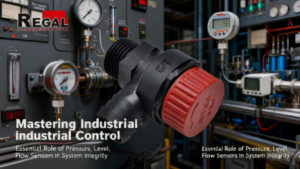
Os pressostatos são dispositivos de controle fundamentais projetados para monitorar e responder a mudanças de pressão dentro de um sistema. Sua versatilidade os torna indispensáveis em uma vasta gama de indústrias.
-
Interruptores de pressão de ar:
Comumente encontrados em sistemas de climatização (HVAC), controles pneumáticos e compressores industriais, os pressostatos regulam os níveis de pressão mínimos ou máximos. Eles podem ativar ou desativar equipamentos, disparar alarmes ou iniciar protocolos de segurança quando a pressão se desvia de um ponto predefinido. Por exemplo, em um sistema de compressor, um pressostato pode desligar o motor se a pressão exceder um limite operacional seguro, evitando a sobrepressurização e possíveis danos ao equipamento.
-
Interruptores de pressão de água:
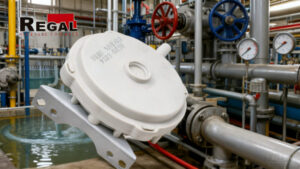
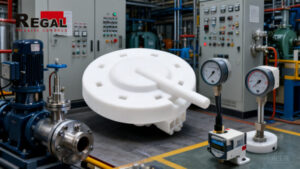
Essenciais em sistemas de bombeamento de água, irrigação e manuseio de fluidos industriais, os pressostatos garantem um fornecimento constante de água e protegem as bombas contra funcionamento a seco ou pressão excessiva. Eles mantêm as faixas de pressão desejadas, otimizando o consumo de energia e prolongando a vida útil dos equipamentos. Em estações de tratamento de água municipais, por exemplo, são vitais para controlar os ciclos das bombas, atendendo à demanda e prevenindo o rompimento de tubulações.
A calibração precisa e a construção robusta desses interruptores são cruciais para uma operação confiável em ambientes industriais exigentes.
Interruptores e sensores de nível de água: Dominando o gerenciamento de fluidos
O controle preciso dos níveis de fluidos é essencial para uma infinidade de processos industriais, desde a fabricação de produtos químicos até o tratamento de águas residuais. Sensores e interruptores de nível de água fornecem a inteligência necessária para um gerenciamento eficaz de fluidos.
-
Interruptores de nível de água:
Esses dispositivos oferecem detecção pontual de nível simples e confiável. São comumente usados para acionar alarmes quando um tanque atinge um nível alto ou baixo, controlar o funcionamento da bomba (por exemplo, encher ou esvaziar um tanque) ou evitar transbordamentos. As chaves de nível tipo bóia são um tipo comum, reagindo mecanicamente ao nível da água para abrir ou fechar um circuito elétrico.
-
Sensores de nível de água:
Para medições mais contínuas e precisas, os sensores de nível de água fornecem saídas analógicas ou digitais proporcionais ao nível do fluido. Tecnologias como sensores ultrassônicos, hidrostáticos e de radar oferecem soluções sem contato ou submersíveis para diversas aplicações. Esses sensores são vitais na gestão de estoques, controle de processos e monitoramento ambiental, fornecendo dados em tempo real para otimizar operações e prevenir derramamentos ou faltas dispendiosas.
A detecção precisa do nível evita transbordamentos, protege as bombas e garante a consistência da qualidade do processo.
Sensores de fluxo: monitorando o pulso da dinâmica dos fluidos
Compreender e controlar o fluxo de líquidos e gases é fundamental para muitos processos industriais. Os sensores de fluxo desempenham um papel crucial nesse processo, medindo a velocidade com que os fluidos se movem através de um tubo ou canal.
Desde o monitoramento da água de resfriamento em usinas de energia até a garantia da dosagem precisa de produtos químicos na indústria, os sensores de fluxo fornecem dados essenciais. Diferentes tipos, como sensores de fluxo de roda de pás, térmicos, magnéticos e ultrassônicos, são selecionados com base no tipo de fluido, na vazão e no ambiente de aplicação. A medição precisa do fluxo é fundamental para:
- Otimização da eficiência do processo e da qualidade do produto.
- Detectar vazamentos ou obstruções precocemente.
- Garantir o cumprimento das normas ambientais.
- Prevenção de danos a bombas e outros equipamentos de manuseio de fluidos.
A capacidade de fornecer dados em tempo real sobre o movimento de fluidos os torna indispensáveis para o controle de processos e a segurança.
Válvulas de alívio de segurança: a última linha de defesa
Embora os pressostatos controlem os limites operacionais, as válvulas de alívio de segurança são a última linha de defesa contra eventos catastróficos de sobrepressão. Esses dispositivos mecânicos são projetados para abrir automaticamente e liberar o excesso de pressão quando a pressão interna de um sistema ultrapassa um limite de segurança predeterminado, evitando assim a ruptura de equipamentos, explosões e possíveis ferimentos ou fatalidades.
São imprescindíveis em sistemas que lidam com fluidos ou gases pressurizados, incluindo caldeiras, vasos de pressão, tubulações e reatores químicos. A conformidade com as normas e regulamentações do setor (por exemplo, o Código ASME para Caldeiras e Vasos de Pressão) exige seu uso obrigatório e inspeção regular. Investir em válvulas de segurança de alta qualidade, dimensionadas corretamente e com manutenção regular não é apenas uma boa prática; é um imperativo legal e ético.
A importância crucial de peças de qualidade e parcerias profissionais.
A confiabilidade de qualquer sistema industrial é tão forte quanto seu componente mais frágil. Para aplicações críticas que envolvem controle de pressão, nível e vazão, comprometer a qualidade de interruptores, sensores, válvulas ou seus componentes associados é uma falsa economia. Componentes de qualidade inferior podem levar a:
- Avarias frequentes e tempo de inatividade dispendioso.
- Leituras imprecisas, que afetam a qualidade e a eficiência do processo.
- Riscos à segurança e potencial não conformidade com as normas regulamentares.
- Aumento dos custos de manutenção e falha prematura do sistema.
A parceria com um fornecedor de renome que oferece peças robustas, de alta qualidade e com engenharia de precisão garante longevidade, exatidão e tranquilidade. Esses fornecedores não apenas oferecem produtos confiáveis, mas também conhecimento técnico, suporte e uma gama completa de componentes adaptados a necessidades industriais específicas.
Conclusão
Interruptores de pressão, sensores de nível de água, sensores de fluxo e válvulas de alívio de segurança são muito mais do que meros componentes; são a base do controle e da segurança industrial. Seu funcionamento preciso permite um desempenho ideal, protege ativos valiosos e garante um ambiente de trabalho seguro. Para qualquer operação B2B que busca eficiência, confiabilidade e segurança incomparáveis, compreender, selecionar e manter esses dispositivos críticos com os mais altos padrões não é apenas uma vantagem — é uma necessidade absoluta. Investir em qualidade e fazer parceria com especialistas nessas áreas é a decisão mais inteligente para o sucesso operacional a longo prazo.