In the intricate world of industrial automation and process control, the reliability and precision of sensing and safety devices are paramount. From ensuring the smooth flow of critical media to safeguarding against hazardous conditions, components like pressure switches, water level sensors, flow sensors, and safety relief valves form the bedrock of operational excellence. Understanding their individual functions and their synergistic impact is crucial for any business striving for efficiency, safety, and compliance.
The Indispensable Role of Pressure Switches
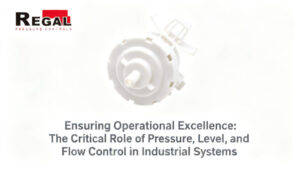
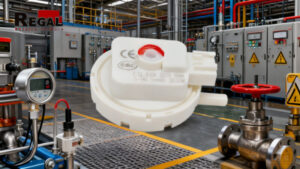
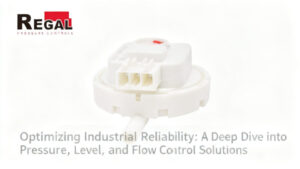
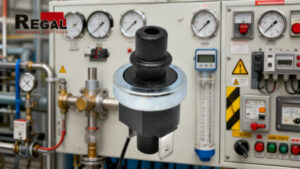
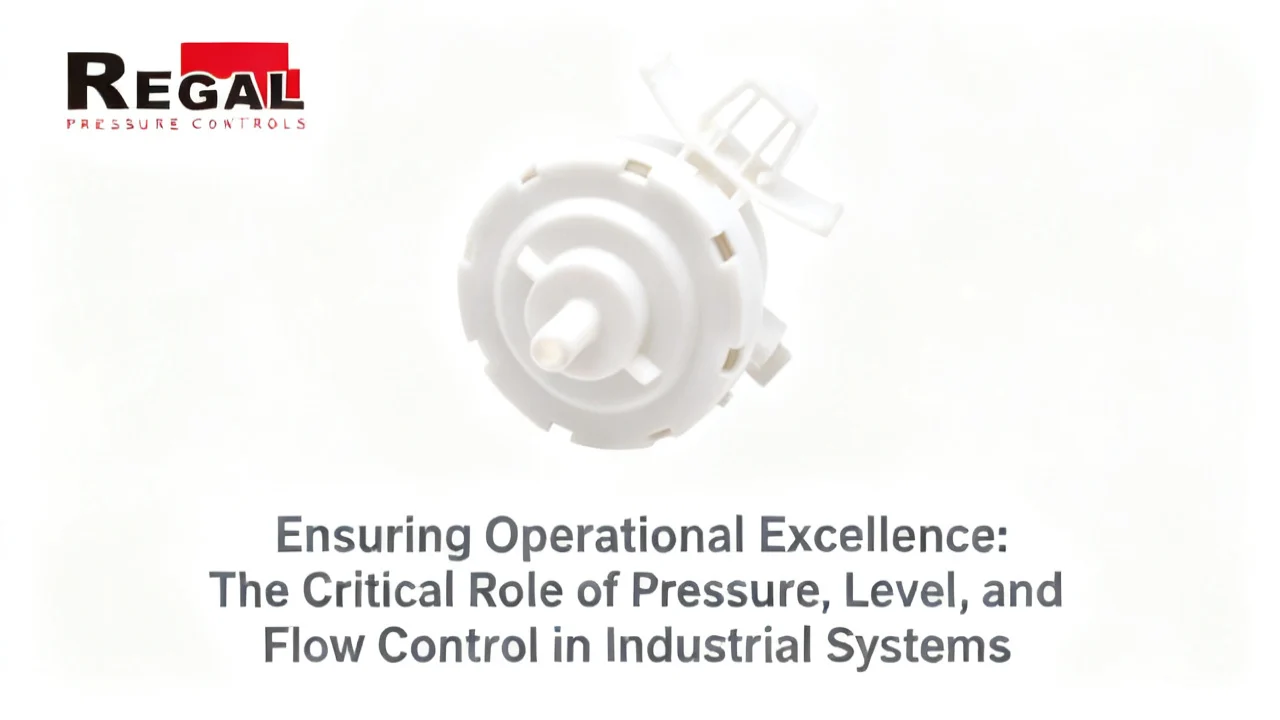
Pressure switches are electro-mechanical devices designed to monitor and respond to pressure changes within a system. They act as critical sentinels, triggering an electrical contact when a pre-set pressure threshold is reached, either rising or falling.
-
Interruptores de pressão de ar
Essential in HVAC systems, pneumatic control, and industrial compressors, air pressure switches regulate air flow, prevent system overloads, and maintain optimal operational pressures. They can initiate or halt processes, ensuring efficiency and preventing damage to expensive machinery.
-
Interruptores de pressão de água
Widely used in water pumps, irrigation systems, and industrial water treatment, these switches maintain desired water pressure levels, preventing pump dry-runs or over-pressurization. They are vital for consistent water supply and equipment longevity.
Beyond air and water, pressure switches are integral to hydraulic systems, steam lines, and various gas applications. They provide crucial feedback for process control, alarm generation, and safety interlocks, contributing significantly to system uptime and preventing catastrophic failures. Their ability to precisely control pressure within defined limits makes them indispensable for both protection and automation. Different types include gauge, differential, and absolute pressure switches, each tailored for specific measurement needs and environmental conditions, offering unparalleled adaptability across diverse industrial landscapes.
Precision in Fluid Management: Water Level Switches and Sensors
Managing fluid levels accurately is fundamental to countless industrial processes, from preventing costly spills to optimizing resource consumption. Water level switches and sensors provide the necessary intelligence for precise fluid management.
-
Interruptores de nível de água
These devices offer simple, reliable on/off control based on a predetermined liquid level. Commonly employed in sumps, tanks, and reservoirs, they can automatically start or stop pumps, activate alarms for high or low levels, or control filling/draining operations. Float switches are a classic example, using buoyancy to activate a switch.
-
Sensores de nível de água
Offering more granular data, water level sensors provide continuous measurement of fluid levels, often outputting an analog or digital signal proportional to the level. Technologies range from ultrasonic sensors that use sound waves to determine distance, hydrostatic sensors that measure pressure exerted by the fluid column, to conductive probes that detect contact with the liquid.
These devices are vital in boiler feed water control, chemical mixing tanks, wastewater treatment plants, and irrigation systems. By preventing overflows, avoiding dry-running pumps, and ensuring optimal fill levels, they contribute to significant cost savings, enhanced safety, and improved process efficiency. Their role extends to environmental protection by preventing spills and optimizing water usage, making them key components in sustainable industrial practices.
The Guardian of Systems: Safety Relief Valves
In any pressurized system, the risk of overpressure is a constant threat, potentially leading to equipment damage, environmental contamination, and severe injury or loss of life. Safety relief valves are the ultimate line of defense against such hazards.
-
Function and Importance
A safety relief valve is an automatic mechanical device designed to open and discharge fluid when the pressure in a vessel or system exceeds a predetermined safe limit. Once the pressure drops back to a safe level, the valve automatically re-closes. This passive, fail-safe mechanism is critical because it operates without external power or human intervention, making it incredibly reliable.
-
Regulatory Compliance
The use and maintenance of safety relief valves are often mandated by stringent industry regulations and codes (e.g., ASME Boiler and Pressure Vessel Code) to ensure workplace safety and environmental protection. Non-compliance can lead to severe penalties and operational shutdowns.
These valves are indispensable in steam boilers, pressure vessels, pipelines, chemical reactors, oil and gas processing facilities, and power generation plants. They protect against scenarios such as thermal expansion, external fire exposure, control system failures, or blockage in discharge lines. Investing in high-quality, properly sized, and regularly inspected safety relief valves is not just a best practice; it is a fundamental requirement for responsible industrial operation.
The Unseen Watchdog: Flow Sensors
Monitoring the movement of fluids and gases is crucial for process control, quality assurance, and resource management. Flow sensors are the eyes and ears that provide this essential data.
-
Functionality
Flow sensors measure the rate at which a fluid or gas moves through a pipe or channel. They can detect volumetric flow (e.g., liters per minute) or mass flow (e.g., kilograms per hour). Various technologies exist, including turbine flow meters, electromagnetic flow meters, ultrasonic flow meters, and thermal mass flow meters, each suited for different fluid types, flow rates, and application requirements.
-
Impact on Operations
In manufacturing, flow sensors ensure precise ingredient mixing, monitor cooling water circulation, and detect leaks in pipelines. In water treatment, they track water consumption and ensure accurate chemical dosing. For HVAC systems, they optimize chiller performance and energy consumption. By providing real-time data, flow sensors enable operators to optimize processes, identify inefficiencies, prevent waste, and ensure product consistency, ultimately leading to significant operational savings and improved product quality.
The Foundation of Reliability: Quality Parts and Maintenance
The effectiveness of any industrial control system hinges on the quality and reliability of its individual components. Using substandard or poorly maintained pressure switches, water level sensors, flow sensors, or safety relief valves can compromise an entire operation, leading to downtime, costly repairs, and potential safety hazards.
-
Investing in Quality
Sourcing parts from reputable manufacturers ensures that devices meet rigorous performance standards, offering accuracy, durability, and a longer operational lifespan. High-quality components are designed to withstand harsh industrial environments, reducing the frequency of failures and the need for premature replacements.
-
Proactive Maintenance
Regular inspection, calibration, and maintenance of these critical devices are not merely good practices but essential investments. A well-executed maintenance program can detect potential issues before they escalate, ensuring continuous, reliable operation and extending the life of the equipment. This proactive approach minimizes unexpected downtime, optimizes safety protocols, and safeguards your overall capital investment.
Conclusão
Pressure switches, water level switches and sensors, flow sensors, and safety relief valves are more than just individual components; they are interconnected elements forming the intelligent backbone of modern industrial systems. Their precise operation ensures process efficiency, protects valuable assets, and, most critically, safeguards personnel and the environment. By embracing high-quality components and implementing robust maintenance strategies for these indispensable devices, businesses can achieve unparalleled operational excellence, foster a culture of safety, and secure their long-term success in an increasingly complex industrial landscape.