In the intricate world of industrial operations, precision, efficiency, and safety are not merely buzzwords; they are fundamental pillars that dictate success, compliance, and profitability. From manufacturing plants to water treatment facilities, oil and gas exploration to HVAC systems, the reliable functioning of machinery and processes hinges on accurate measurement and robust control. This is where the critical role of components like pressure switches, water level sensors, flow sensors, and safety relief valves becomes indispensable.
These devices, often unseen heroes, provide the vital feedback and control mechanisms necessary to maintain optimal operating conditions, prevent costly downtime, and, most importantly, safeguard personnel and assets. Understanding their functions and applications is key to designing, maintaining, and upgrading any modern industrial system.
Interruptores de pressão: guardiões da integridade do sistema
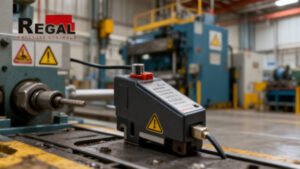
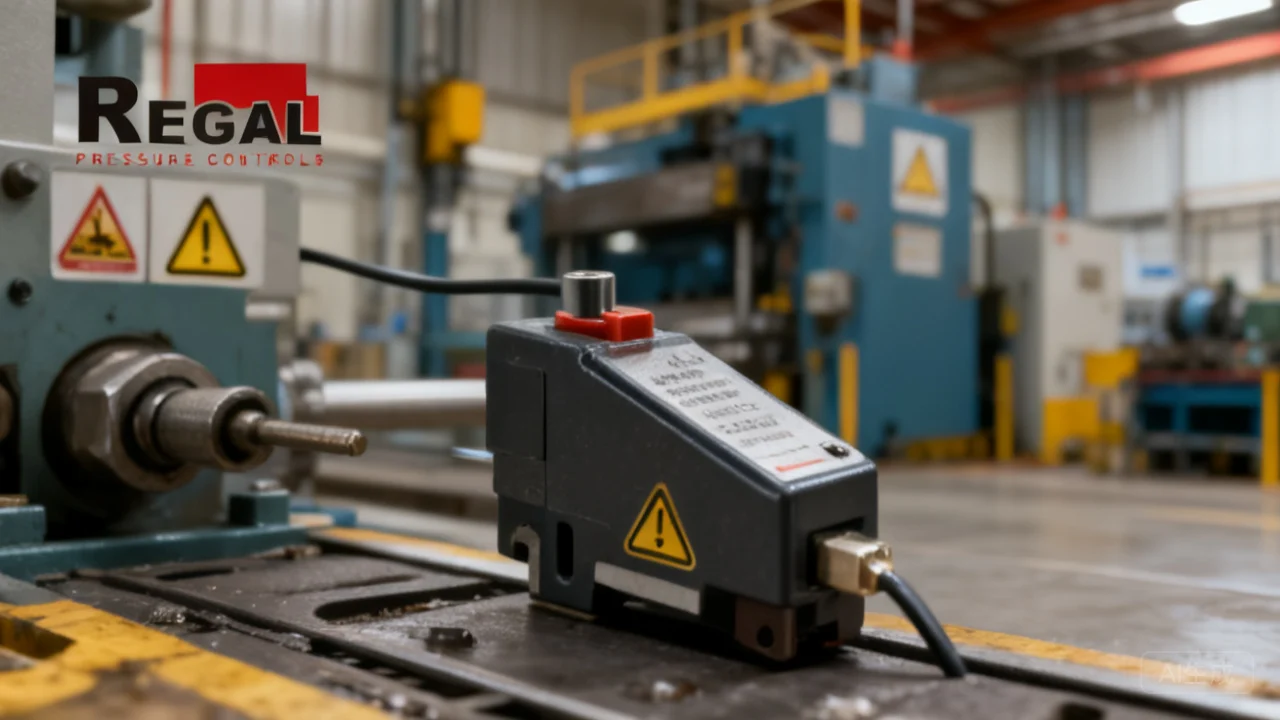
Pressure switches are electromechanical devices designed to monitor pressure within a system and activate or deactivate an electrical circuit when a pre-set pressure threshold is reached. Their simplicity and reliability make them ubiquitous across countless industries, serving as critical control and safety components.
- Interruptores de pressão de ar: Essential in pneumatic systems, HVAC applications, and industrial compressors, air pressure switches ensure that air lines maintain optimal pressure for tools and processes. They can trigger alarms for low pressure, activate booster pumps, or shut down systems to prevent damage from overpressure. In heating and ventilation, they monitor filter status or fan operation, ensuring efficient air circulation.
- Interruptores de pressão de água: Widely used in pumping systems, irrigation, and water treatment plants, water pressure switches control the operation of pumps based on demand. They maintain consistent water pressure in residential and industrial settings, prevent pumps from running dry, and protect against overpressure in pipelines. Their robust design ensures reliable performance even in demanding liquid environments.
The selection of a pressure switch involves considering the media (air, water, oil), pressure range, set point accuracy, hysteresis, electrical rating, and environmental conditions (temperature, vibration).
Level Control: Ensuring Optimal Resource Management
Accurate level monitoring is paramount in tanks, vessels, and reservoirs, preventing overflows, dry runs, and ensuring consistent product availability. Two primary types of devices address this need:
- Interruptores de nível de água: These simple, cost-effective devices provide point-level detection. They are designed to trigger an action (e.g., turn a pump on/off, activate an alarm) when a liquid reaches a specific high or low level. Common types include float switches, conductivity probes, and optical sensors, each suited for different liquid types and applications. They are vital for basic tank filling, emptying, and overflow prevention in sumps, cooling towers, and storage tanks.
- Sensores de nível de água: Unlike switches, level sensors offer continuous measurement of liquid levels, providing a proportional output signal (e.g., 4-20mA, 0-10V) that can be fed into a PLC or control system. This allows for precise monitoring, advanced process control, and inventory management. Technologies include ultrasonic, radar, hydrostatic (pressure-based), and guided wave radar. These are critical in applications requiring precise volume control, blending operations, and sophisticated inventory tracking in large storage tanks and process vessels.
Choosing between a switch and a sensor depends on whether simple point detection or continuous measurement and control are required.
Flow Sensors: The Pulse of Your Process
Flow sensors, or flow meters, are instrumental in measuring the rate at which a fluid (liquid or gas) moves through a pipe or conduit. Accurate flow measurement is crucial for process control, quality assurance, billing, and safety across industries such as chemical processing, pharmaceuticals, food and beverage, and utilities.
Different technologies exist, including:
- Turbine Flow Sensors: Ideal for clean liquids and gases, offering good accuracy over a wide range.
- Electromagnetic Flow Sensors (Magmeters): Perfect for conductive liquids, slurries, and wastewater, as they have no moving parts and minimal pressure drop.
- Coriolis Flow Sensors: Provide highly accurate mass flow measurement, density, and temperature, suitable for a vast array of fluids including non-conductive ones.
- Ultrasonic Flow Sensors: Non-invasive, often clamped onto the outside of pipes, making them ideal for corrosive or sterile fluids and temporary installations.
Precise flow data enables optimized dosing, prevents wastage, detects leaks, and ensures products meet specification, directly impacting operational efficiency and cost-effectiveness.
Safety Relief Valves: The Ultimate Fail-Safe
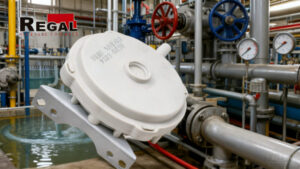
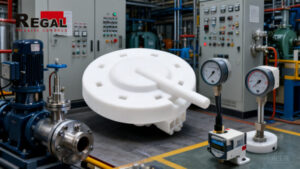
While sensors and switches manage normal operation, safety relief valves stand as the last line of defense against catastrophic failures due to overpressure. These mechanical devices are designed to automatically open and discharge fluid when the internal pressure of a vessel or system exceeds a pre-set limit, then reclose once the pressure returns to a safe level.
Safety relief valves are mandated by industry regulations and codes (e.g., ASME Boiler and Pressure Vessel Code) for virtually all pressure vessels, boilers, and piping systems. They prevent explosions, equipment damage, and dangerous leaks, protecting both personnel and valuable assets. Their selection requires careful consideration of the fluid type, operating pressure, temperature, and required discharge capacity. Regular inspection and maintenance of safety relief valves are not just good practice—they are a critical safety imperative.
The Importance of Quality Components and Integrated Solutions
The reliability of any industrial system is directly proportional to the quality of its individual components. Investing in high-quality pressure switches, water level sensors, flow sensors, and safety relief valves—and the associated parts for their maintenance and repair—is paramount. Substandard parts can lead to frequent failures, inaccurate readings, increased downtime, higher maintenance costs, and, most critically, compromised safety.
A holistic approach to industrial control involves integrating these sensors and valves into a cohesive system, often managed by PLCs and SCADA systems. This integration allows for real-time monitoring, automated responses, and data-driven decision-making, moving towards smarter, more resilient operations.
Strategic Selection for Peak Performance
Choosing the right components requires a thorough understanding of the application’s specific demands:
- Compatibilidade de mídia: Ensure materials are compatible with the fluid or gas.
- Operating Conditions: Consider temperature, pressure ranges, and environmental factors.
- Accuracy and Repeatability: Match the device’s performance to process requirements.
- Certifications and Standards: Adherence to industry-specific regulations (e.g., ATEX for hazardous areas, NSF for potable water).
- Connectivity and Integration: Compatibility with existing control systems.
- Maintenance and Serviceability: Ease of calibration, repair, and availability of spare parts.
Conclusion: Investing in Reliability and Efficiency
In today’s competitive industrial landscape, the strategic deployment of advanced sensing and safety solutions is no longer an option but a necessity. Pressure switches, level sensors, flow sensors, and safety relief valves are more than just hardware; they are critical enablers of efficiency, precision, and unwavering safety. By selecting high-quality components and integrating them thoughtfully, industries can achieve optimized performance, reduce operational risks, ensure compliance, and pave the way for a more reliable and productive future.