No complexo mundo da automação industrial e do controle de processos, precisão, confiabilidade e segurança são fundamentais. Desde o gerenciamento da dinâmica de fluidos até a proteção de equipamentos críticos, os componentes certos são indispensáveis. Este artigo explora os dispositivos essenciais que garantem uma operação perfeita, evitam paradas dispendiosas e mantêm os mais altos padrões de segurança em diversas aplicações B2B: pressostatos, sensores de nível, sensores de vazão e válvulas de alívio de segurança.
Interruptores de pressão: guardiões da integridade do sistema
Os pressostatos são dispositivos de controle fundamentais projetados para monitorar e responder a mudanças na pressão do sistema. Eles atuam como sentinelas críticos, acionando um contato elétrico quando um limite de pressão predefinido é atingido, iniciando ou interrompendo um processo, ou ativando um alarme. Seu design robusto e operação simples os tornam indispensáveis em inúmeros ambientes industriais.
Interruptores de pressão de ar: Precisão em sistemas pneumáticos
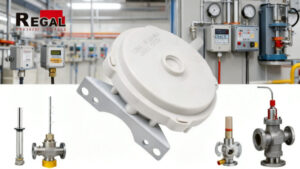
Os pressostatos de ar são vitais para aplicações que envolvem ar comprimido ou outros gases. São comumente encontrados em sistemas de climatização (HVAC), circuitos de controle pneumático, sistemas de coleta de poeira e sistemas de verificação de ar para combustão. Por exemplo, em um forno, um pressostato de ar garante o fluxo de ar adequado para a combustão, impedindo o funcionamento do queimador caso a pressão do ar seja insuficiente, aumentando assim a segurança e a eficiência.
Interruptores de pressão de água: gerenciando a dinâmica de líquidos
Da mesma forma, os pressostatos são projetados para monitorar a pressão de líquidos em diversos sistemas hidráulicos e de encanamento. Suas aplicações variam desde o controle de bombas de poço e bombas de pressurização até sistemas de lavagem industrial e instalações de irrigação. Ao manter a pressão dentro dos limites especificados, eles protegem as bombas contra funcionamento a seco, evitam a sobrepressurização e garantem o desempenho consistente do sistema.
Monitoramento de Líquidos: Controle de Nível e Vazão
Além da pressão, compreender e controlar o nível e o fluxo de líquidos é crucial para processos industriais eficientes e seguros.
Interruptores de nível de água: prevenção de transbordamentos e funcionamento a seco
Os sensores de nível de água proporcionam uma detecção simples e precisa do nível em tanques, reservatórios e sumidouros. Normalmente, são utilizados para ativar ou desativar bombas, abrir/fechar válvulas ou acionar alarmes quando um líquido atinge um nível alto ou baixo predeterminado. Isso evita derramamentos dispendiosos, protege as bombas contra cavitação devido a níveis baixos e garante o fornecimento contínuo em processos críticos, como torres de resfriamento ou sistemas de dosagem química.
Sensores de nível de água: Medição contínua e precisa
Para aplicações que exigem monitoramento contínuo e medição mais precisa dos níveis de líquidos, os sensores de nível de água são a solução ideal. Esses dispositivos, que podem empregar tecnologias como ultrassom, hidrostática ou radar, fornecem dados em tempo real sobre o volume ou a altura exatos do líquido. Esses dados são cruciais para o gerenciamento de estoque, otimização de processos e garantia de conformidade em estações de tratamento de água, armazenamento de combustível e fabricação farmacêutica.
Sensores de fluxo: garantindo movimento consistente
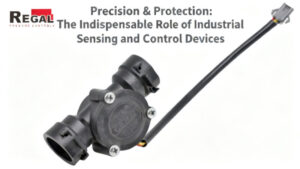
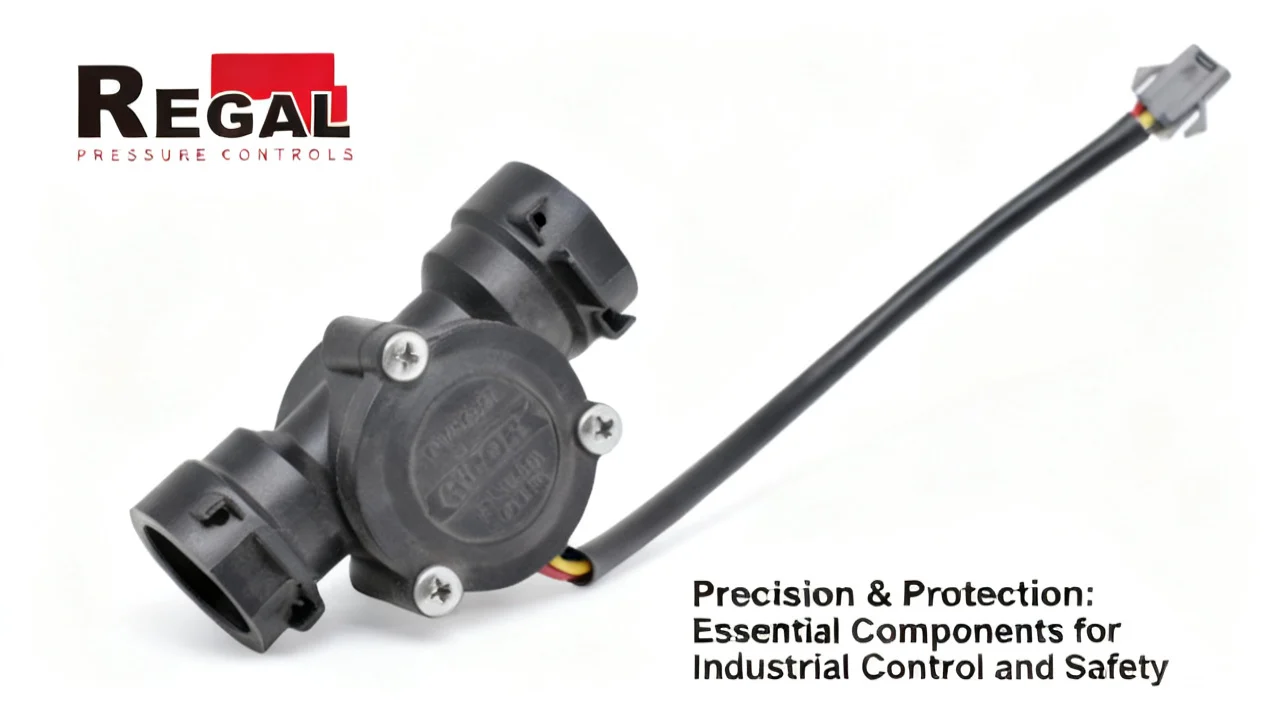
Os sensores de fluxo são indispensáveis para monitorar o movimento de líquidos ou gases em tubulações. Eles detectam a presença ou ausência de fluxo, medem vazões ou totalizam o volume do fluido. As aplicações incluem garantir a circulação de água de refrigeração em máquinas, monitorar taxas de dosagem de produtos químicos, detectar vazamentos e evitar o funcionamento a seco de bombas. Ao fornecer feedback imediato sobre as condições de fluxo, esses sensores contribuem significativamente para o controle de processos, gerenciamento de recursos e proteção de equipamentos.
Válvulas de alívio de pressão de segurança: a proteção definitiva contra a pressão.
Enquanto os componentes de controle gerenciam as operações normais, as válvulas de alívio de segurança (VAS) são a última linha de defesa contra falhas catastróficas devido à sobrepressão. Esses dispositivos mecânicos são projetados para abrir automaticamente e liberar o excesso de fluido ou gás de um sistema quando a pressão interna ultrapassa um ponto de ajuste predeterminado. Assim que a pressão retorna a um nível seguro, a válvula se fecha automaticamente.
O papel crucial dos SRVs
As válvulas de alívio de pressão (SRVs) são dispositivos de segurança indispensáveis em indústrias que lidam com fluidos pressurizados, como petróleo e gás, processamento químico, geração de energia e sistemas de climatização (HVAC). Elas protegem vasos de pressão, caldeiras, tubulações e outros equipamentos contra rupturas, explosões e outros riscos que podem resultar da sobrepressurização. Investir em válvulas de alívio de pressão de alta qualidade, dimensionadas corretamente e com manutenção regular não é apenas uma boa prática — é um imperativo regulatório e ético para proteger o pessoal, os ativos e o meio ambiente.
A importância de peças de qualidade e manutenção.
O desempenho e a longevidade de qualquer sistema industrial dependem da qualidade de suas partes. Utilizar peças genuínas e de alta qualidade para pressostatos, sensores de nível, sensores de fluxo e válvulas de alívio de segurança é crucial. Componentes de qualidade inferior podem levar a leituras imprecisas, falhas prematuras e comprometimento da segurança. Inspeção, calibração e manutenção preventiva regulares são igualmente vitais para garantir que esses dispositivos críticos continuem a funcionar de forma confiável e eficaz durante toda a sua vida útil.
Conclusão: Soluções integradas para a indústria moderna
O conjunto de componentes discutidos — desde interruptores de pressão e nível precisos até sensores avançados de fluxo e nível, culminando na indispensável válvula de alívio de segurança — forma a base do controle e da segurança industrial modernos. Ao integrar esses dispositivos robustos e confiáveis, as empresas podem alcançar níveis mais altos de automação, otimizar a utilização de recursos, evitar paradas dispendiosas e, o mais importante, criar ambientes de trabalho mais seguros. Para qualquer operação B2B que busque excelência operacional e segurança intransigente, compreender e implantar estrategicamente esses componentes essenciais não é apenas uma opção, mas um requisito fundamental.