As operações industriais modernas são uma sinfonia complexa de processos, que exigem precisão inabalável e medidas de segurança robustas. No cerne dessa intrincada dinâmica, encontra-se uma gama de dispositivos sofisticados projetados para monitorar, controlar e proteger sistemas críticos. Desde a garantia da dinâmica ideal dos fluidos até a prevenção de falhas catastróficas, componentes como pressostatos, sensores de nível de água, sensores de fluxo e válvulas de alívio de segurança não são meros acessórios, mas elementos fundamentais para a eficiência, a confiabilidade e a segurança do pessoal.
Interruptores de pressão: os sentinelas da integridade do sistema
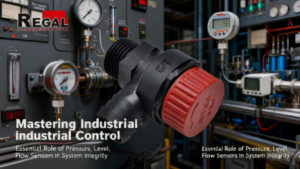
Os pressostatos são dispositivos eletromecânicos fundamentais projetados para responder a mudanças de pressão em um sistema. Eles atuam como tomadores de decisão críticos, abrindo ou fechando um contato elétrico quando um limite de pressão predefinido é atingido. Suas aplicações são incrivelmente diversas, abrangendo compressores de ar, sistemas hidráulicos, unidades de climatização (HVAC) e vários ambientes de controle de processos.
Interruptores de pressão de ar: garantindo a precisão pneumática.
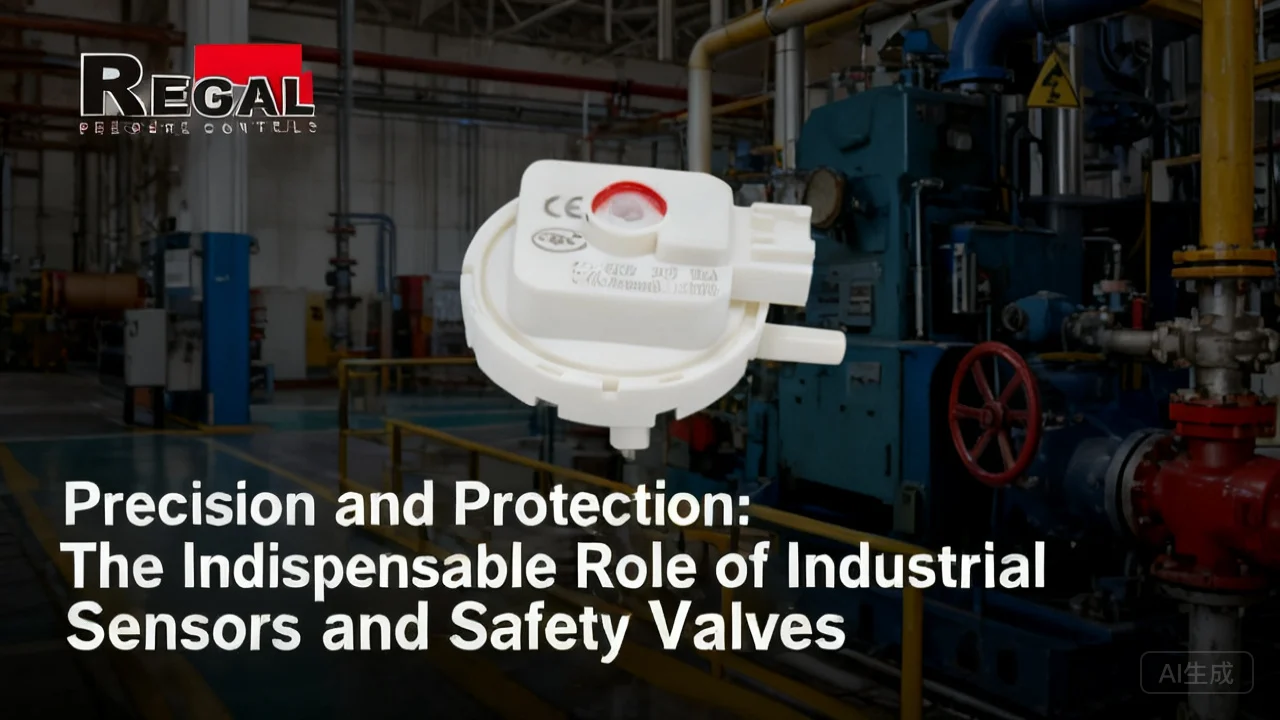
Interruptores de pressão de ar São vitais em sistemas pneumáticos, garantindo que os compressores operem dentro de limites seguros, controlando ferramentas pneumáticas e gerenciando o suprimento de ar para atuadores. Eles previnem a sobrepressurização e mantêm um desempenho operacional consistente, o que é crucial para a longevidade dos equipamentos e a qualidade da produção em manufatura e automação.
Interruptores de pressão de água: regulando o fluxo de líquidos
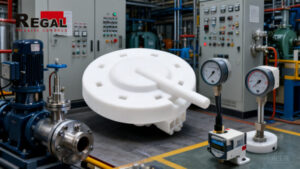
Interruptores de pressão de água Os pressostatos são igualmente cruciais em sistemas com líquidos, desde bombas de água municipais até circuitos de refrigeração industrial. Eles regulam o funcionamento das bombas, evitam o funcionamento a seco e garantem um fornecimento constante de água, protegendo tanto os equipamentos quanto os processos contra anomalias relacionadas à pressão. A confiabilidade de um pressostato impacta diretamente o tempo de atividade e a segurança de todo o sistema que ele monitora, tornando sua seleção uma decisão crítica de engenharia.
Dominando Ambientes Líquidos: Sensores de Nível e Fluxo de Água
Além da simples pressão, o controle do volume e da movimentação de líquidos é fundamental para a eficiência operacional e a proteção ambiental.
Interruptores e sensores de nível de água: gerenciamento inteligente de fluidos
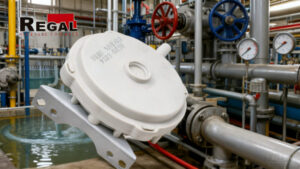
Interruptores e sensores de nível de água Fornecem informações indispensáveis sobre os níveis de fluidos em tanques, reservatórios e sumidouros. Interruptor de nível de água Geralmente oferece uma saída discreta (ligado/desligado) quando um nível específico é atingido, ideal para ativar bombas, alarmes ou válvulas de fechamento. Exemplos incluem interruptores de bóia simples ou sondas de condutividade mais avançadas.
Sensores de nível de água, Por outro lado, sensores geralmente fornecem saída analógica ou digital contínua, permitindo a medição e o monitoramento precisos da profundidade do fluido em uma ampla faixa. Sensores hidrostáticos, ultrassônicos e de radar são tipos comuns, oferecendo soluções de medição sem contato ou submersas, adequadas para diversos tipos de líquidos e geometrias de tanques. Esses dispositivos são essenciais para o gerenciamento de estoque, prevenindo transbordamentos dispendiosos, protegendo bombas contra cavitação e garantindo a dosagem consistente de produtos químicos em indústrias de processo.
Sensores de fluxo: o pulso do oleoduto
O controle de nível complementar é Sensores de fluxo, Os sensores de vazão medem a taxa de movimento de fluidos dentro de uma tubulação. Seja água, óleo, gás ou produtos químicos, compreender as taxas de fluxo é essencial para o controle de processos, otimização da eficiência e detecção de vazamentos. Desde sensores simples de roda de pás para indicação básica de fluxo até sensores Coriolis ou ultrassônicos avançados para medição de fluxo de massa de alta precisão, esses dispositivos garantem que os fluidos estejam se movendo na velocidade e volume corretos, evitando desperdícios dispendiosos e mantendo a qualidade do produto. Seu papel se estende à garantia da conformidade regulatória no monitoramento de descargas e à otimização do consumo de energia em sistemas de transferência de fluidos.
Válvulas de alívio de segurança: as principais guardiãs contra catástrofes.
Embora sensores e interruptores forneçam controle e monitoramento, Válvulas de alívio de segurança (SRVs) São a última linha de defesa contra eventos de sobrepressurização potencialmente catastróficos. Esses dispositivos mecânicos são projetados para abrir e liberar fluido automaticamente quando a pressão do sistema excede um limite de segurança predeterminado, protegendo assim vasos de pressão, tubulações e outros equipamentos contra rupturas ou explosões.
Ao contrário das válvulas de controle, as válvulas de alívio de pressão (SRVs) são dispositivos puramente de segurança, projetados para falhar à prova de falhas. Elas são obrigatórias em inúmeros códigos e normas industriais, desde refinarias de petróleo e gás até plantas químicas, geração de energia e até mesmo sistemas comerciais de climatização (HVAC). A seleção, o dimensionamento e a manutenção corretos de uma válvula de alívio de pressão são imprescindíveis para a segurança operacional e a conformidade com as normas. Elas são cruciais para proteger não apenas ativos valiosos, mas, principalmente, vidas humanas, tornando-se um dos componentes mais vitais em qualquer sistema pressurizado.
A sinergia entre peças de qualidade e integração profissional.
A eficácia de qualquer sistema de controle ou segurança industrial depende da qualidade e confiabilidade de seus componentes individuais. Desde a carcaça robusta de um Interruptor de pressão de ar para a calibração precisa de um Sensor de nível de água, e o desempenho certificado de um Válvula de alívio de segurança, Cada "peça" desempenha um papel vital. A escolha de componentes de alta qualidade de fabricantes renomados garante precisão, longevidade e desempenho consistente, minimizando paradas dispendiosas e necessidades de manutenção. Além disso, o acesso a peças de reposição genuínas é crucial para a integridade operacional a longo prazo.
Além disso, a integração adequada desses dispositivos em um sistema coeso é fundamental. Uma arquitetura de sistema bem projetada garante que os dados dos sensores sejam interpretados com precisão, que os interruptores acionem as ações de forma confiável e que as válvulas de segurança estejam posicionadas para desempenhar sua função crítica com eficácia. Isso geralmente requer conhecimento especializado em projeto, instalação e comissionamento de sistemas, o que ressalta a importância da parceria com profissionais experientes.
Conclusão: Construindo Operações Industriais Resilientes
No intrincado cenário da indústria moderna, os pressostatos, sensores de nível e vazão de água e válvulas de alívio de segurança são muito mais do que meros componentes; são os olhos, ouvidos e guardiões inteligentes das suas operações. Eles fornecem a precisão necessária para um desempenho ideal, os dados para a tomada de decisões informadas e a proteção máxima contra imprevistos. Investir em dispositivos de alta qualidade e garantir sua integração profissional não é apenas uma boa prática — é uma estratégia essencial para alcançar a excelência operacional, garantir a segurança e assegurar o sucesso a longo prazo em qualquer empreendimento industrial. Esses elementos críticos trabalham em conjunto para criar ambientes robustos, confiáveis e seguros que impulsionam a produtividade e protegem os ativos.