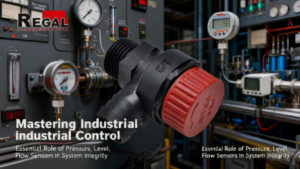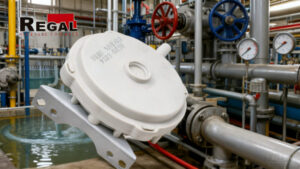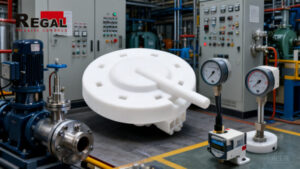
In the intricate world of industrial automation and process control, precision, reliability, and safety are paramount. The seamless operation of complex machinery and systems hinges on the accurate monitoring and control of various parameters, including pressure, liquid levels, and flow rates. This critical function is performed by a range of essential components: pressure switches, water level switches and sensors, flow sensors, and safety relief valves. Understanding their roles and proper application is vital for any enterprise aiming for operational excellence, minimized downtime, and stringent safety compliance.
Interruptores de pressão: os sentinelas da integridade do sistema
Pressure switches are fundamental devices designed to monitor pressure changes within a system and activate or deactivate an electrical circuit when a predefined pressure threshold is met. They act as critical decision-makers, initiating actions such as starting or stopping pumps, triggering alarms, or shutting down systems to prevent damage or unsafe conditions.
Air Pressure Switches: Guardians of Pneumatic and HVAC Systems
Specifically, an Interruptor de pressão de ar is indispensable in pneumatic systems, HVAC applications, and dust collection units. They are commonly used for fan proving (ensuring a fan is operating before a heater activates), monitoring filter status, and detecting blockages in air ducts. By preventing over-pressurization or under-pressurization, these switches protect equipment, optimize energy consumption, and maintain consistent environmental conditions.
Water Pressure Switches: Ensuring Fluidic Stability
A Interruptor de pressão de água plays a crucial role in fluid management systems. They are widely employed in water pumps, irrigation systems, and water treatment plants to maintain desired pressure levels. For instance, they can automatically start a pump when water pressure drops below a set point or stop it when it reaches an upper limit, preventing dry running or pipe bursts. Their reliability ensures a consistent water supply and protects plumbing infrastructure.
Water Level Switches and Sensors: Guardians of Liquid Management
Managing liquid levels in tanks, sumps, and reservoirs is a common challenge across industries. Interruptores de nível de água e Sensores de nível de água provide the necessary tools for accurate and reliable liquid level monitoring.
Water Level Switches: Simple, Effective Control
A Interruptor de nível de água typically provides a simple ON/OFF signal when a specific liquid level is reached. These are ideal for basic applications such as activating a fill pump when a tank is low, triggering an overflow alarm, or protecting pumps from running dry. They are robust, cost-effective, and widely used in wastewater treatment, chemical processing, and boiler feed control.
Water Level Sensors: Continuous, Precise Measurement
In contrast, a Sensor de nível de água offers continuous measurement of liquid levels, providing an analog or digital output that can be integrated into more sophisticated control systems. These sensors (e.g., ultrasonic, hydrostatic, float, capacitive) enable precise inventory management, process optimization, and advanced automation. They are critical for applications requiring constant monitoring and fine-tuned control, such as in pharmaceutical manufacturing or complex chemical reactors.
Flow Sensors: Measuring the Pulse of Your System
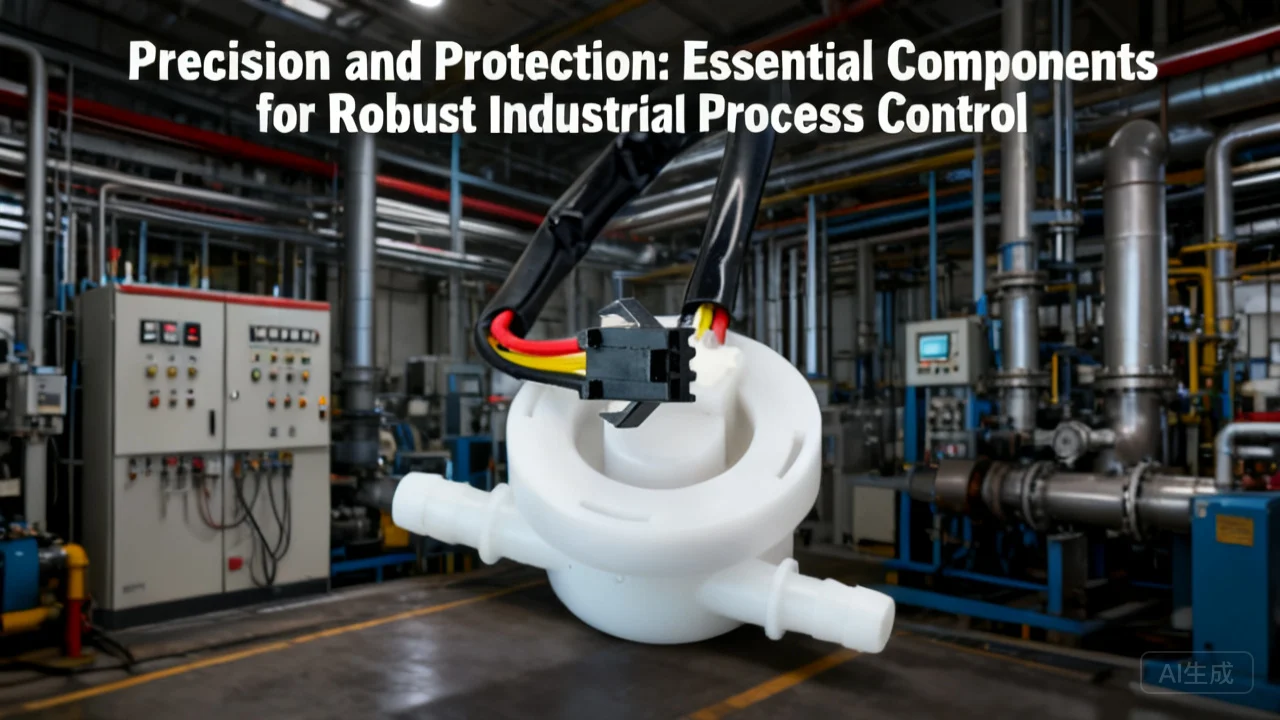
Sensores de fluxo are vital instruments that measure the rate of liquid or gas movement through a pipe or conduit. Accurate flow measurement is essential for process control, ensuring correct dosing in mixing applications, optimizing cooling systems, and tracking consumption for energy efficiency or billing purposes. From monitoring coolant flow in HVAC systems to ensuring precise ingredient delivery in food processing, flow sensors provide real-time data crucial for operational integrity. Various types, including paddle wheel, electromagnetic, and thermal mass sensors, cater to different media and application demands.
Safety Relief Valves: The Ultimate Safety Net
Perhaps no component underscores the importance of safety more than the Válvula de alívio de segurança. These mechanical devices are designed to automatically release excess pressure from a system, such as a boiler, pressure vessel, or pipeline, when the internal pressure exceeds a predetermined set point. Their primary function is to protect equipment from catastrophic failure due to over-pressurization, thereby safeguarding personnel, preventing environmental damage, and avoiding costly downtime. Compliance with industry standards and regular inspection and maintenance of safety relief valves are non-negotiable for any industrial operation.
The Unsung Heroes: Quality Parts and Proactive Maintenance
The longevity and reliable performance of these critical components—pressure switches, level switches, sensors, and safety valves—are heavily dependent on the quality of their internal Peças and a robust maintenance regimen. Using high-quality, manufacturer-recommended replacement parts during servicing is paramount. Inferior components can compromise accuracy, reduce lifespan, and, more critically, jeopardize the safety and efficiency of the entire system. Proactive maintenance, including regular calibration, inspection, and timely replacement of worn parts, ensures these devices continue to perform their vital functions without fail, ultimately protecting your investments and your workforce.
Conclusão
In the dynamic landscape of modern industry, the integration of reliable pressure switches, water level switches and sensors, flow sensors, and safety relief valves is not merely an option but a necessity. These components are the unsung heroes that ensure processes run smoothly, efficiently, and, most importantly, safely. Investing in high-quality devices and committing to diligent maintenance practices are fundamental steps toward achieving operational excellence and maintaining a competitive edge in any industrial sector. They are the cornerstones of a resilient and responsive process control system, safeguarding assets and enabling continuous, optimized production.