In the complex world of industrial operations, maintaining precise control over critical parameters is not merely a goal—it’s a necessity for safety, efficiency, and product quality. From manufacturing plants to water treatment facilities, the reliable performance of pressure, level, and flow measurement devices, alongside robust safety mechanisms, forms the backbone of operational excellence. This guide delves into the indispensable role of these components, offering insights for professionals seeking to optimize their systems.
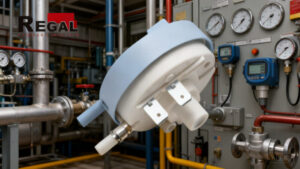
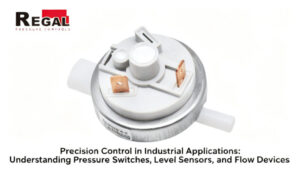
Pressure switches are fundamental components designed to monitor and respond to changes in fluid or gas pressure. They operate by opening or closing an electrical contact when a pre-set pressure threshold is reached, triggering an alarm, shutting down equipment, or activating another system. Their simplicity and reliability make them ubiquitous across various industries.
Air Pressure Switches: Safeguarding Pneumatic Systems
Air pressure switches are vital in applications involving compressed air, such as HVAC systems, pneumatic machinery, and industrial compressors. They ensure that air pressure remains within safe and operational limits, preventing damage to equipment and optimizing energy consumption. For instance, in an air compressor, an air pressure switch can automatically stop the motor once the desired tank pressure is achieved and restart it when the pressure drops, ensuring consistent supply while preventing over-pressurization. Key considerations for selection include pressure range, hysteresis, electrical rating, and environmental resistance.
Interruptores de pressão de água: gerenciando a dinâmica de líquidos
Similarly, water pressure switches are indispensable in liquid-based systems. They are commonly found in water pumps, irrigation systems, fire suppression systems, and water treatment plants. These switches ensure that water pressure is maintained within specified parameters, preventing dry-running of pumps, protecting pipelines from excessive pressure, or signaling low-pressure conditions that could indicate a leak. Material compatibility (e.g., brass, stainless steel for potable water) and resistance to corrosion are paramount for long-term reliability in these applications.
Beyond Pressure: Advanced Water Level Monitoring
Accurate water level monitoring is crucial for inventory management, process control, and preventing overflows or dry-running conditions in tanks and vessels.
Water Level Switches: Simple On/Off Control
Water level switches provide a discrete output (on/off) when a specific liquid level is reached. They are ideal for applications requiring simple control actions, such as automatically filling or emptying a tank, activating an alarm for high or low levels, or protecting pumps. Common types include float switches, which use a buoyant element to activate a microswitch, and electrode switches, which detect conductivity between probes. Their robust design and straightforward operation make them a cost-effective solution for many level control tasks.
Water Level Sensors: Continuous Precision
For applications demanding continuous, real-time level data, water level sensors are the preferred choice. These sensors provide an analog or digital output proportional to the liquid level, allowing for precise monitoring and sophisticated control strategies. Technologies range from ultrasonic sensors (non-contact, ideal for corrosive liquids), hydrostatic sensors (measure pressure exerted by the liquid column), radar sensors (accurate in challenging environments), and guided wave radar. The choice depends on factors like accuracy requirements, fluid properties, tank geometry, and environmental conditions. Continuous monitoring enables better inventory management, precise dosing, and predictive maintenance capabilities.
Ensuring Flow Efficiency: The Role of Flow Sensors
Flow sensors, or flow meters, are essential for measuring the rate at which a fluid or gas moves through a pipe or conduit. Accurate flow measurement is critical for process control, quality assurance, billing, and safety across industries.
Applications include monitoring cooling water circuits, dosing chemicals in water treatment, controlling fuel consumption, and ensuring proper ventilation rates. Various technologies exist, each suited to different fluid types, flow rates, and accuracy requirements. Paddle wheel flow sensors are cost-effective for clean liquids, while electromagnetic flow meters are excellent for conductive liquids with minimal pressure drop. Turbine flow meters offer high accuracy for low viscosity fluids, and thermal mass flow sensors are ideal for gas flow measurement. Selecting the correct flow sensor involves considering the fluid’s properties, required accuracy, acceptable pressure drop, and the process environment.
The Uncompromisable: Safety Relief Valves
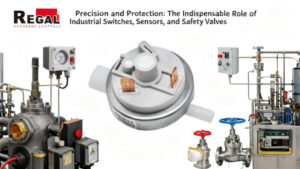
While sensors and switches ensure operational efficiency, safety relief valves are the ultimate guardians of industrial systems. They are mechanical devices designed to automatically open and discharge fluid when the pressure in a vessel or system exceeds a pre-set limit, thereby preventing catastrophic equipment failure, explosions, and protecting personnel.
Safety relief valves are mandated in almost every pressurized system, including boilers, pressure vessels, pipelines, and chemical reactors. They are non-modulating, meaning they “pop” open fully when the set pressure is reached. Types include spring-loaded relief valves (most common) and pilot-operated relief valves (suitable for larger applications or where precise set pressure is critical). Proper sizing, material selection, installation, and regular inspection and testing are paramount to ensure these critical safety devices function correctly when needed most. Compliance with international standards (e.g., ASME, API) is non-negotiable for safety relief valves.
Quality Parts and Proactive Maintenance for Longevity
The reliability of any industrial process hinges not only on the initial selection of the right sensor or valve but also on the quality of the parts and the commitment to proactive maintenance. Using genuine, high-quality replacement parts ensures that the device performs to its original specifications. Regular calibration of sensors, routine inspection of switches, and periodic testing of safety relief valves are crucial. A robust maintenance schedule minimizes downtime, extends the lifespan of equipment, and ensures continuous compliance with safety regulations, ultimately safeguarding investments and operational continuity.
Selecting the Right Device: Key Considerations
Choosing the optimal pressure switch, level sensor, flow sensor, or safety relief valve requires careful evaluation of several factors:
- Compatibilidade de mídia: Ensure materials of construction are compatible with the fluid or gas, considering temperature, corrosiveness, and viscosity.
- Operating Range: Match the device’s pressure, temperature, or level range to your application’s requirements.
- Accuracy & Repeatability: Determine the required precision for your process.
- Condições ambientais: Account for ambient temperature, vibration, hazardous areas (e.g., ATEX/IECEx certification), and ingress protection (IP rating).
- Output & Connectivity: Consider electrical output (e.g., discrete, 4-20mA, HART, Modbus) and integration with existing control systems.
- Certifications & Standards: Ensure compliance with industry-specific regulations and safety standards.
- Cost & Lifespan: Balance initial investment with long-term reliability and maintenance costs.
Conclusão
The array of pressure switches, water level switches and sensors, flow sensors, and safety relief valves are more than just components; they are the vigilant sentinels of industrial processes. Their accurate measurement and control capabilities are fundamental to achieving operational efficiency, ensuring product quality, and, most importantly, upholding safety standards. By understanding the nuances of each device and making informed selection and maintenance decisions, industries can build more robust, reliable, and ultimately, more successful operations.