In the complex tapestry of modern industrial operations, precision, reliability, and safety are not merely ideals but absolute necessities. Beneath the surface of every seamlessly running process, from manufacturing lines to water treatment plants, lies a network of critical components designed to monitor, control, and protect. This article delves into the indispensable roles played by pressure switches, various types of sensors, and safety relief valves – the unsung heroes that ensure operational integrity and safeguard assets.
Interruptores de pressão: guardiões da integridade do sistema
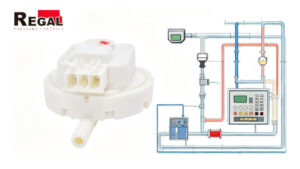
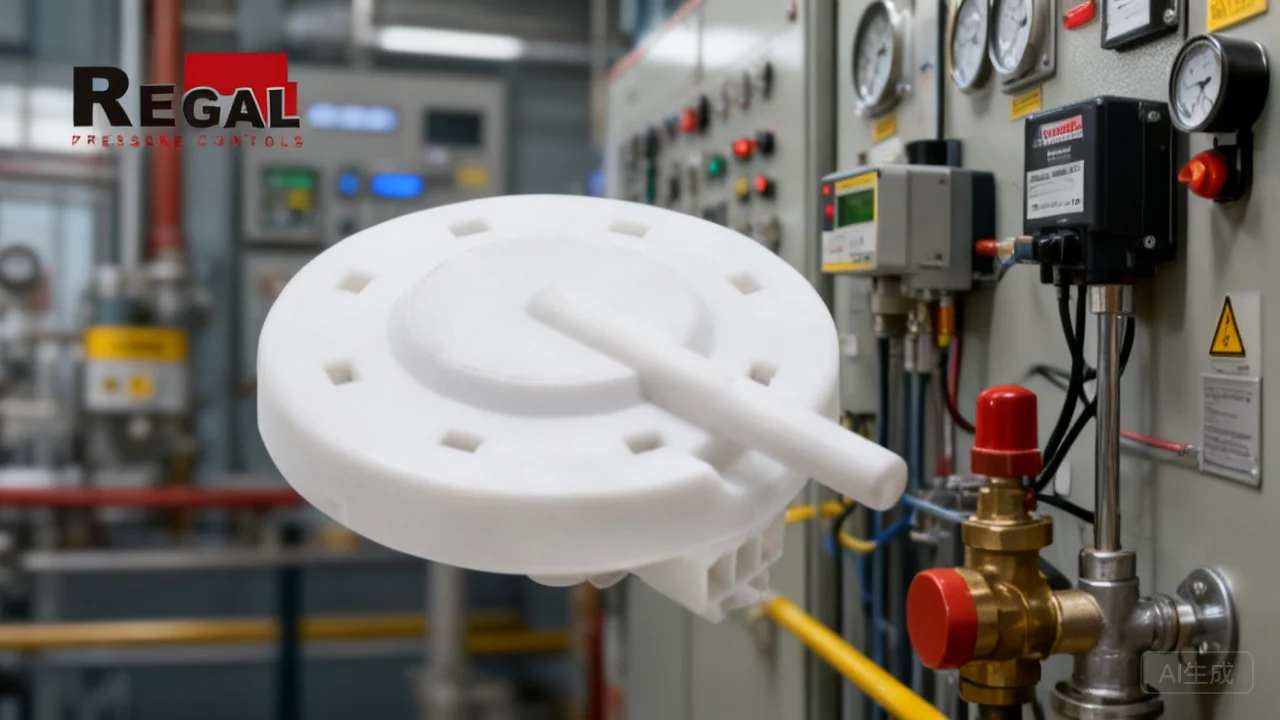
Pressure switches are fundamental control devices engineered to monitor pressure within a system and activate or deactivate an electrical circuit when a predefined pressure threshold is met. Their versatility makes them crucial across countless industries, serving as vital components for automation, protection, and operational efficiency.
Air Pressure Switch: Precision in Pneumatic Systems
Um Interruptor de pressão de ar is specifically designed to detect changes in air or gas pressure. These devices are ubiquitous in HVAC systems, air compressors, pneumatic machinery, and industrial drying equipment. They ensure that systems operate within safe and optimal pressure ranges, preventing equipment damage due from over-pressurization or under-pressurization, and often controlling the start/stop cycles of compressors or fans based on demand.
Water Pressure Switch: Regulating Fluid Dynamics
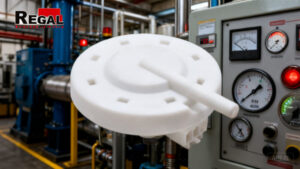
Similarly, a Interruptor de pressão de água is tailored for liquid applications. It plays a critical role in maintaining consistent water pressure in pumping systems, irrigation networks, and industrial water processing units. By sensing pressure drops or surges, these switches can activate pumps to replenish pressure or shut them off to prevent overpressure, protecting pipes, valves, and other sensitive components from damage, while also optimizing energy consumption.
Water Level Management: Switches vs. Sensors
Managing fluid levels is paramount in many industrial applications, from chemical processing to wastewater treatment. Both water level switches and sensors provide essential data, but they operate with different levels of granularity.
Water Level Switch: The Binary Sentinel
A Interruptor de nível de água offers a simple, binary control solution. It detects whether a fluid level has reached a specific point – typically a high or low threshold. These switches are ideal for triggering alarms, activating/deactivating pumps to prevent tanks from overflowing or running dry, or controlling solenoid valves. They are robust, cost-effective, and require minimal calibration, making them perfect for straightforward level control applications in sumps, reservoirs, and process tanks.
Water Level Sensor: Continuous Monitoring for Precision
In contrast, a Sensor de nível de água provides continuous, analog, or digital output proportional to the fluid level. This allows for precise, real-time measurement of the exact volume or depth of liquid in a tank or vessel. Applications include inventory management, continuous process control, and sophisticated monitoring systems where granular data on fluid levels is critical for process optimization and historical data logging. These sensors utilize various technologies, including ultrasonic, hydrostatic, and capacitive methods, to deliver accurate and reliable readings.
Flow Sensors: The Pulse of Fluid Dynamics
Monitoring the movement of fluids – liquids or gases – is essential for process control, safety, and efficiency. Sensor de fluxo devices are designed to measure the rate or volume of fluid passing through a pipe or conduit. They are indispensable in applications such as chemical dosing, cooling systems, irrigation, and leak detection.
By providing real-time data on flow rates, these sensors enable operators to optimize processes, detect anomalies like blockages or leaks, and ensure that the correct quantities of fluids are being delivered. From paddle wheel sensors to electromagnetic and ultrasonic technologies, the choice of flow sensor depends heavily on the fluid type, flow rate, and application environment, all contributing to enhanced control and resource management.
Válvulas de alívio de segurança: a última linha de defesa
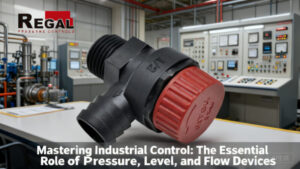
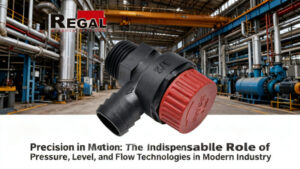
While control components prevent issues, Válvula de alívio de segurança devices are the ultimate safeguard against catastrophic failures due to overpressure. These mechanical devices are designed to automatically open and discharge excess pressure from a vessel or piping system when the internal pressure exceeds a predetermined set point, then re-close once the pressure returns to a safe level.
Safety relief valves are critical for protecting personnel, equipment, and the environment in systems handling steam, gases, or liquids. They are mandated in countless industrial codes and standards, serving as a non-negotiable safety feature in boilers, pressure vessels, pipelines, and chemical reactors. Their proper selection, installation, and regular maintenance are paramount to ensuring the integrity and safety of any pressurized system.
The Importance of Quality Parts
The performance and longevity of any industrial control system are only as good as its weakest link. Investing in high-quality Peças for pressure switches, sensors, and safety relief valves is not merely a matter of maintenance but a strategic decision for operational excellence. Genuine, robust components ensure accuracy, reliability, and extended service life, minimizing downtime and reducing the total cost of ownership. From diaphragms and springs to O-rings and electrical contacts, each part contributes to the overall integrity and safety of the system.
Conclusion: Integrated Solutions for a Safer, More Efficient Future
Pressure switches, water level switches and sensors, flow sensors, and safety relief valves are more than just individual components; they are integral elements of a cohesive ecosystem that drives industrial efficiency, ensures process control, and, most importantly, protects human lives and valuable assets. Understanding their specific functions and applications is crucial for designing, operating, and maintaining robust and reliable industrial systems. As industries continue to evolve, the demand for precise, dependable, and intelligently integrated control and safety devices will only grow, underscoring their enduring importance in the modern industrial landscape.