
In the intricate landscape of modern industrial operations, precision, safety, and efficiency are not merely goals—they are fundamental requirements for sustained success. Achieving these benchmarks hinges significantly on the reliable performance of a specialized suite of sensing and control devices. From regulating fluid dynamics to safeguarding against catastrophic failures, components like pressure switches, water level sensors, flow sensors, and safety relief valves form the bedrock of robust and intelligent industrial systems.
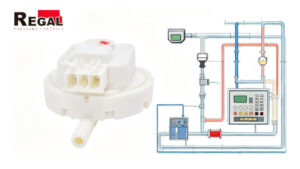
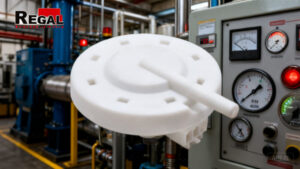
Pressure switches are electromechanical devices designed to respond to specific pressure changes within a system, triggering an electrical contact (either opening or closing a circuit). Their primary role is to monitor and control pressure levels, preventing conditions that could lead to equipment damage, operational inefficiencies, or safety hazards.
- Interruptores de pressão de ar: Crucial in HVAC systems, pneumatic machinery, and air compressors, these switches ensure optimal air pressure for various processes. They can activate or deactivate compressors, control ventilation fans, or signal alarms if pressure deviates from set points, protecting equipment from over-pressurization or under-pressurization.
- Interruptores de pressão de água: Indispensable in water pump control, irrigation systems, and water treatment plants. They maintain desired water pressure, preventing pumps from running dry or over-pressurizing pipelines. Their reliability ensures consistent water supply and protects critical infrastructure.
The precise operation of pressure switches is vital for automated systems, allowing for hands-free monitoring and immediate response to fluctuating conditions, thereby enhancing operational continuity and reducing manual intervention.
Water Level Switches & Sensors: Mastering Fluid Inventory and Control
Managing fluid levels accurately is paramount across countless industries, from chemical processing to municipal water treatment. Water level switches and sensors provide the necessary intelligence to achieve this, preventing costly spills, dry running of pumps, and ensuring optimal resource utilization.
- Interruptores de nível de água: These devices provide simple, discrete control—acting as an on/off mechanism. They are commonly used in tanks, sumps, boilers, and reservoirs to prevent overflow or to activate/deactivate pumps when a fluid reaches a predetermined high or low level. Their robust design makes them suitable for harsh environments.
- Sensores de nível de água: Offering continuous measurement, these sensors provide real-time data on fluid levels, enabling precise inventory management, continuous process control, and predictive maintenance. Technologies range from ultrasonic and radar to hydrostatic and capacitive sensors, each suited for different applications and fluid types.
Together, these devices optimize fluid handling processes, minimize waste, and contribute significantly to environmental compliance and operational safety.
Flow Sensors: The Veins and Arteries of Process Monitoring
Understanding and controlling the flow rate of liquids and gases is critical for a vast array of industrial processes. Flow sensors provide the ‘pulse’ of your pipeline, converting the movement of fluid into a measurable electrical signal.
- Aplicações: They are essential in chemical dosing, cooling systems, irrigation, HVAC, leak detection, and batch processing. By accurately measuring flow, operators can ensure correct ingredient ratios, optimize energy consumption in fluid transport, and detect anomalies that could indicate system malfunctions or leaks.
From simple paddle wheel sensors to advanced ultrasonic and Coriolis mass flow meters, the right flow sensor ensures process integrity, prevents costly errors, and contributes to the overall efficiency and safety of fluid transfer systems.
Safety Relief Valves: The Uncompromising Guardians of Overpressure Protection
Perhaps no component underscores the importance of safety more than the safety relief valve. These devices are non-negotiable in any system where overpressure conditions could lead to catastrophic equipment failure, environmental damage, or severe injury to personnel.
- Function: A safety relief valve automatically opens to release excess pressure when a system’s internal pressure exceeds a predetermined set point, then recloses once the pressure returns to a safe level.
- Criticality: They are mandatory for boilers, pressure vessels, pipelines, chemical reactors, and storage tanks. Adherence to stringent industry standards (e.g., ASME, API) is paramount for their design, selection, and maintenance.
Investing in high-quality, properly sized, and regularly inspected safety relief valves is not just good practice; it is a legal and ethical imperative that protects lives, assets, and the environment. They represent the ultimate fail-safe, providing the last line of defense against potentially devastating events.
The Foundation of Reliability: Quality Parts and Components
The performance and longevity of any sensing or control device are directly linked to the quality of its individual components. Whether it’s the diaphragm in a pressure switch, the electrodes in a level sensor, the turbine in a flow meter, or the spring and seat in a safety relief valve, each part plays a crucial role.
Substandard components can lead to inaccurate readings, premature failures, increased maintenance costs, and compromised safety. Therefore, sourcing devices built with durable, high-grade materials and precision engineering is not an option but a necessity for ensuring the integrity and reliability of your entire industrial infrastructure.
Integrating for Superior System Performance
While each of these devices plays a critical role independently, their true power is unleashed when integrated into a cohesive system. Pressure switches can trigger pumps based on water levels, flow sensors can confirm correct dosing post-pressure regulation, and safety relief valves stand ready to protect the entire assembly from unforeseen spikes.
The synergistic application of these advanced sensing and control devices yields profound benefits:
- Enhanced Operational Safety: Mitigating risks of explosions, leaks, and equipment damage.
- Significant Efficiency Gains: Optimizing resource consumption, reducing energy waste, and streamlining processes.
- Reduced Maintenance Costs & Downtime: Proactive monitoring prevents failures, extends equipment lifespan, and minimizes unexpected interruptions.
- Conformidade regulatória: Meeting strict industry standards and environmental regulations.
- Increased System Uptime: Ensuring continuous, reliable operation of critical industrial processes.
Conclusão
In the relentless pursuit of operational excellence, the strategic selection and implementation of high-quality pressure switches, water level switches and sensors, flow sensors, and safety relief valves are non-negotiable. These devices are more than just ‘parts’; they are the intelligent eyes, ears, and protective mechanisms that empower industries to operate with unparalleled precision, unwavering safety, and maximum efficiency. Partnering with suppliers who prioritize engineering excellence and robust reliability is key to building systems that not only meet today’s demands but are also resilient for tomorrow’s challenges.